India defends arms exports to Israel amid allegations of use against Palestinians
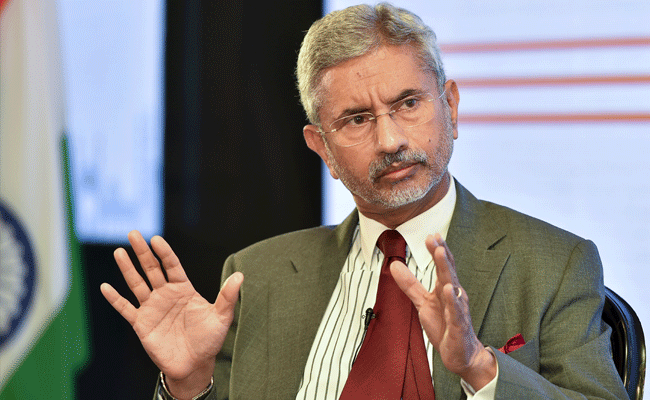
New Delhi: External Affairs Minister S. Jaishankar addressed concerns in Parliament on Friday about India’s arms exports to Israel amid allegations of their use in the ongoing conflict in Palestine. He emphasized that India’s decisions regarding exports are driven by "national interests" and commitments to "various international regimes."
The statement came in response to a query by MP John Brittas, who referenced a meeting between Palestine's Minister of State in the Foreign Office and Indian Ambassador Renu Yadav. During the meeting, Palestine reportedly requested India to reconsider its arms supplies to Israel, citing their alleged use against Palestinian civilians.
Jaishankar stated, "The issue of India’s exports, including those with military implications, is guided by our national interest and our commitments to various regimes." He further highlighted India’s adherence to global agreements like the Wassenaar Arrangement and explained that export decisions are made through a stringent control and licensing process.
Reiterating India's close ties with Israel, Jaishankar added, “Israel is a country with which we have a strong record of cooperation in national security. It has stood by us at crucial moments when our national security was under threat.” He underlined that India would prioritize its national interest in any decision on exports.
The minister also faced a series of questions from opposition MPs regarding India's stance on the conflict in Gaza and its abstentions on recent UN resolutions. TMC MP Saket Gokhale questioned India’s position on Israel's ban on the UN aid agency UNRWA and its policies in Gaza.
Jaishankar defended India’s support for humanitarian aid to Palestine, noting that India had supplied 70 metric tonnes of assistance in 2023, including 16.5 metric tonnes of medicines. He confirmed that the latest tranche of aid had been sent to UNRWA.
When asked about India’s stance on Israel’s settlements in the West Bank, Jaishankar reiterated support for the two-state solution, calling it India’s “public and unambiguous” position.
On the International Criminal Court’s (ICC) warrants against Israeli Prime Minister Benjamin Netanyahu, former Defense Minister Yoav Gallant, and a Hamas leader for alleged war crimes, Jaishankar pointed out that India is not a member of the ICC.
Amid Jaishankar’s defense of India’s export policies, an Al Jazeera investigation published in June 2024 alleged that Israel has been using Indian-made weapons in its prolonged military campaign in Gaza. A video by the Quds News Network reportedly showed missile remains with labels indicating they were manufactured in India.
Another report by Middle East Eye claimed that Israeli forces were deploying AI-powered weapons co-produced by an Indian defense company in Gaza. These systems reportedly turn firearms into automated killing machines.
Israel’s military operations in Gaza since October 7, 2023, have drawn widespread international condemnation, with over 44,600 people—mostly women and children—killed, according to Palestinian health authorities.
Let the Truth be known. If you read VB and like VB, please be a VB Supporter and Help us deliver the Truth to one and all.
Defamatory post against Dharmasthala Veerendra Heggade: Case registered against Girish Mattannavar
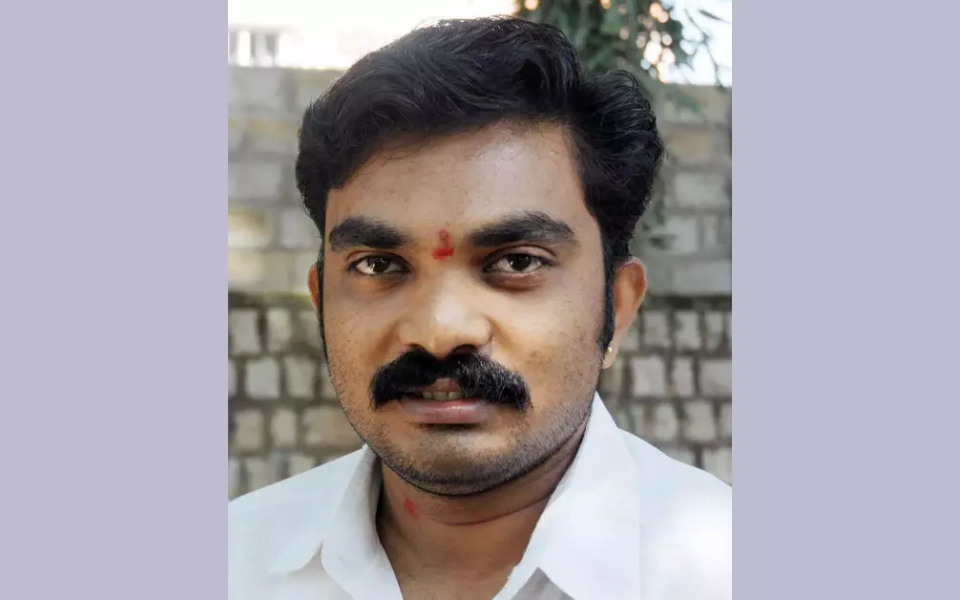
Belthangady: A case has been registered at Dharmasthala police station against Girish Mattannavar over a complaint regarding alleged defamatory posts on social media against Dr. D. Veerendra Heggade, Dharmadhikari of Sri Kshetra Dharmasthala.
The complaint was filed by Subrahmanya Prasad, a resident of Dharmasthala.
The complainant stated that Mattannavar posted content on Instagram making allegations against Dr. Heggade and allegedly affecting his reputation.
Based on the complaint, a case was registered under Section 353(2) of the Bharatiya Nyaya Sanhita (BNS), which is related to spreading false information, rumours, or alarming news, on April 18, and the investigation is in progress.
Following information about Mattannavar’s appearance at the SIT office on May 7, a police officer from Dharmasthala police station issued a notice directing him to appear at the station within a week.