India developing 200 MW nuclear reactors to power ships
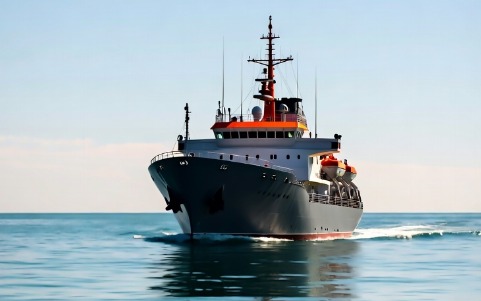
New Delhi(PTI): India is developing 200 MW nuclear power reactors, compact in size that can be deployed on commercial ships.
"Nuclear power is generated by causing nuclear fission to create heat that leads to electricity production. You can put the reactor wherever you want, even on a ship," a senior official said here.
He said scientists at the Bhabha Atomic Research Centre (BARC) are developing two nuclear power reactors of 55 MW and 200 MW that could be deployed at captive power plants used by energy-intensive companies such as cement manufacturers.
"These nuclear reactors are very safe and can even be used to power merchant navy ships," the official said, sidestepping questions of their use to power nuclear submarines.
He said these Bharat Small Modular Reactors (BSMR) will be the mainstay in the expansion of the share of nuclear power in India's energy mix.
Currently, India operates two home-built nuclear submarines -- INS Arihant and INS Arighaat -- which are powered by 83 MW reactors. A third nuclear-powered submarine, INS Aridhaman, is undergoing trials.
The government has also announced that it would amend the Atomic Energy Act (AEA), 1962, to allow the entry of private players in the civil nuclear sector.
According to the plans, the government may allow private players to operate nuclear power plants and also handle the front-end of the nuclear fuel cycle.
As per the discussions on the amendments to the AEA, the government may also allow private companies to procure fuel from foreign countries for the nuclear power plants, with a provision to take back the spent fuel to the country of origin.
The amendments to the Civil Liability for Nuclear Damage Act (CLND) also seek to cap the liability of suppliers of nuclear equipment, as mentioned in the contract between the supplier and operator.
The amendments under discussion also seek to define 'supplier' as the provider of critical equipment.
Prime Minister Narendra Modi has set a target of achieving 100 GW nuclear power capacity by 2047, from the current 8.8 GW.
Let the Truth be known. If you read VB and like VB, please be a VB Supporter and Help us deliver the Truth to one and all.
Trump says he ‘hasn’t even thought about’ continuing Iran ceasefire
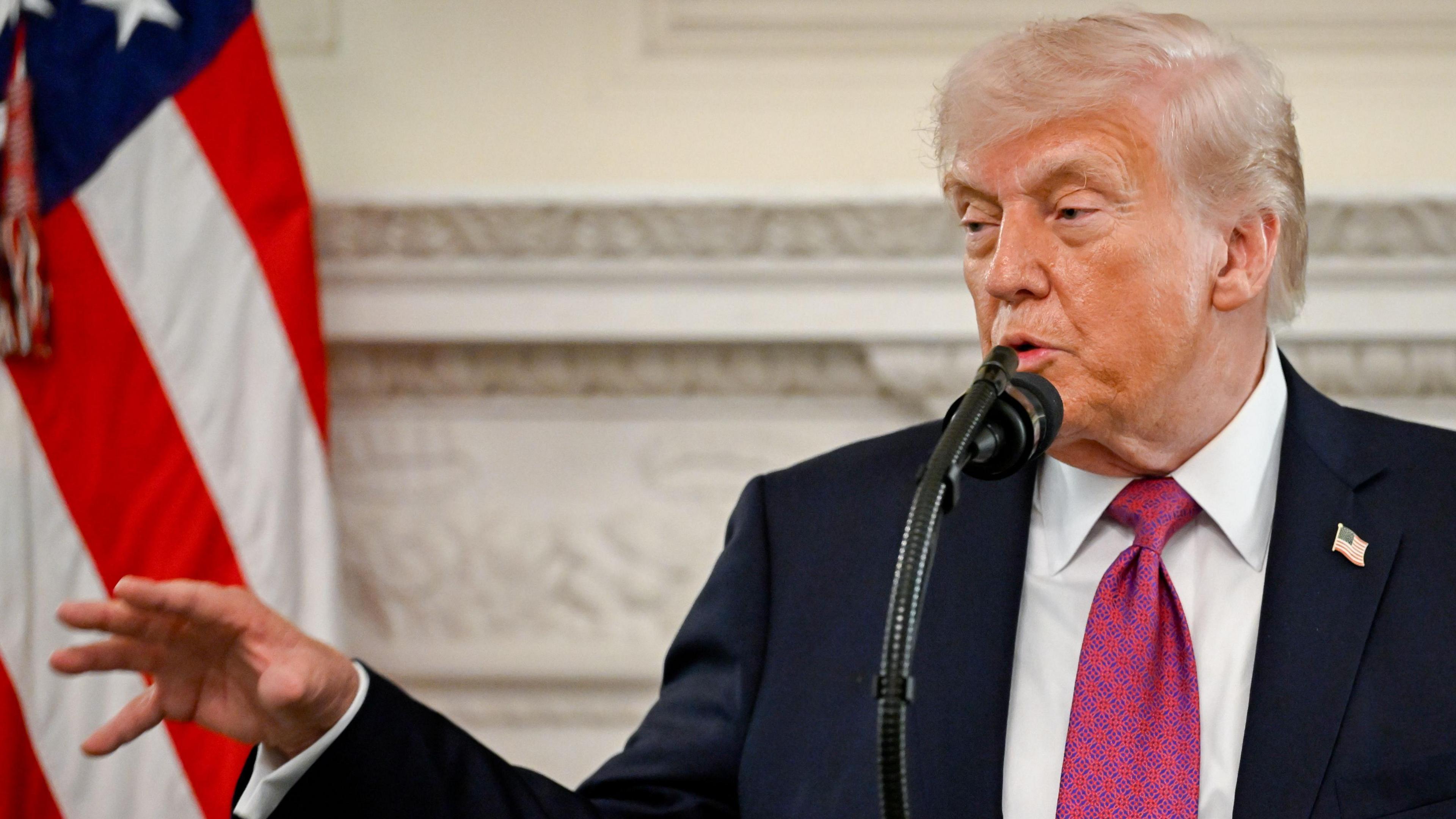
Washington: US President Donald Trump has said he has not yet considered whether he would continue the ceasefire involving Iran, while also claiming the United States holds the advantage in negotiations.
Speaking to reporters, Trump said he was prepared to make a deal with “whoever is running the show” in Iran.
“They are fighting with each other, there’s tremendous infighting. They’re probably fighting for leadership in many cases. I think they’re fighting not to be leader because we knocked out two levels of leaders,” he said.
Trump added, “When they want they can call me. We have all the cards, we’ve won everything.”
Referring to ongoing negotiations, he said, “They gave us a paper that should’ve been better. And, interestingly, immediately when I cancelled it [envoy trip to Pakistan], within 10 minutes we got a new paper that was much better.”
“We talked about they will not have a nuclear weapon, very simple … They offered a lot, but not enough,” he added.
When asked whether he would continue the ceasefire, Trump replied, “I haven’t even thought about it.”
The remarks come as uncertainty remains over the future of the temporary truce and broader negotiations between Washington and Tehran.