India logs 761 Covid cases, 12 deaths
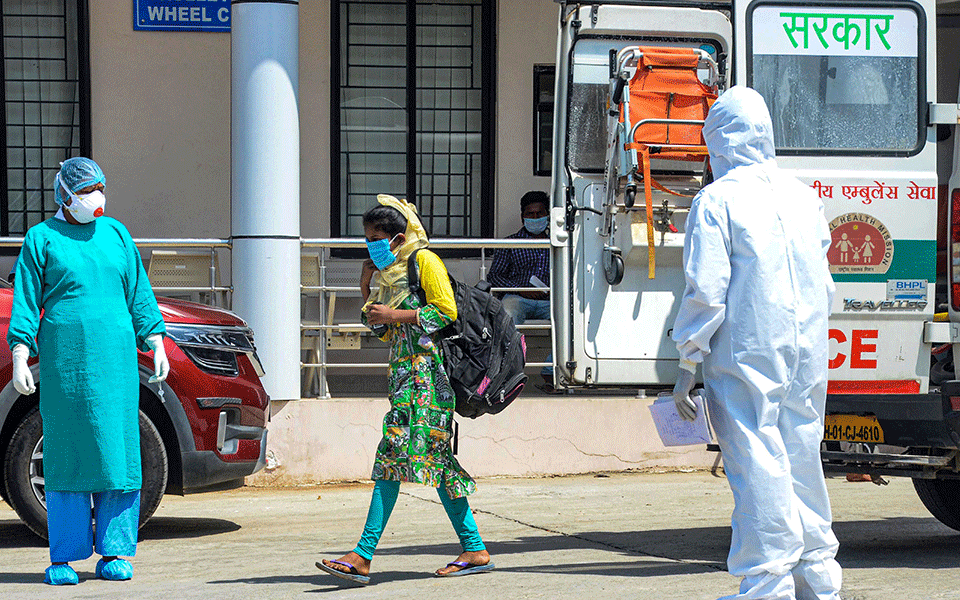
New Delhi, Jan 5: India on Friday recorded 761 fresh COVID-19 cases and 12 deaths due to the viral disease, according to Union health ministry data.
The number of active COVID-19 cases in the country came down marginally to 4,334 from 4,423 on Thursday, the data updated at 8 am showed.
Kerala has the highest number of active cases at 1,249, followed by Karnataka at 1,240, Maharashtra at 914, Tamil Nadu at 190, and Chhattisgarh and Andhra Pradesh at 128 each.
Of the 12 fresh deaths, five were reported from Kerala, four from Karnataka, two from Maharashtra, and one from Uttar Pradesh, the data stated.
The number of daily cases was in double digits till December 5 but it began to rise again amid cold weather conditions and after the emergence of a new COVID-19 variant.
The daily numbers were in lakhs at the peak of the pandemic, which began in early 2020. More than 4.5 crore people have been infected and over 5.3 lakh have died across the country in four years.
The number of people who have recuperated from the disease stands at over 4.4 crore with a national recovery rate of 98.81 per cent, the ministry's website stated.
According to the website, 220.67 crore doses of COVID-19 vaccines have been administered so far in the country.
Let the Truth be known. If you read VB and like VB, please be a VB Supporter and Help us deliver the Truth to one and all.
ED cracks down on suspected interstate liquor racket, raids 9 sites in Arunachal
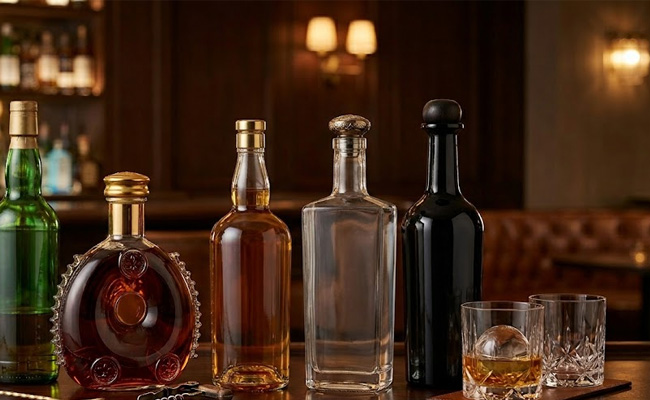
Itanagar (PTI): The Enforcement Directorate has carried out coordinated searches at nine locations across Arunachal Pradesh in connection with a suspected large-scale interstate liquor smuggling and money laundering network, officials said on Monday.
The action, taken under the Prevention of Money Laundering Act (PMLA), is part of an expanding probe that points to a syndicate exploiting tax differentials among states.
Officials said liquor designated for sale within Arunachal Pradesh was allegedly diverted and supplied illegally to markets in Assam and other states.
The searches, conducted earlier this week, spanned multiple towns such as Itanagar, Naharlagun, Seppa, Ziro, Daporijo, Namsai and Roing, targeting wholesale liquor businesses suspected of being linked to the network.
According to officials, the investigation stems from a series of FIRs registered by Assam Police over the illegal transportation of liquor from Arunachal Pradesh into Assam.
Inputs from the Assam Excise Department further strengthened the case. An Enforcement Case Information Report (ECIR) was registered on October 17, 2024, and later widened through an addendum incorporating 173 additional FIRs.
Earlier searches conducted on February 4 last year, at premises linked to three alleged key operators, believed to be major liquor manufacturers, had revealed indications of a well-coordinated operation.
Investigators suspect that the network functioned through a chain of manufacturers, bonded warehouses and wholesalers, while masking real ownership using proxy arrangements such as tribal partnerships and dummy licence holders.
During the latest ED operations, the agency found that several wholesale units were operating under proxy licences issued in the names of local individuals, while actual control remained with the suspected masterminds.
Financial scrutiny revealed that between 51 and 90 per cent of total credits in certain bank accounts comprised unexplained cash deposits.
Investigators also flagged a pattern of invoice splitting, with transactions deliberately kept below Rs 2 lakh to avoid scrutiny. In one instance, more than 200 invoices of identical value of Rs 1,99,554 were generated within a single month at one location.
On-ground staff reportedly confirmed that records, including stock registers and daily cash collections, were being routed to offices associated with the alleged controllers.
The ED said it seized approximately Rs 40 lakh in unaccounted cash during the searches.
In a significant finding, 14 seals, some purportedly belonging to the Excise Department of the Arunachal Pradesh government, were recovered from one of the premises. These are suspected to have been used to create fake transport permits to facilitate the unauthorised movement of liquor.
Further investigation is underway, officials added.