India records 17.7 pc decline in TB incidence from 2015 to 2023, says WHO report
New Delhi (PTI): India has recorded a 17.7 per cent decline in tuberculosis incidence from 237 per lakh population in 2015 to 195 in 2023, which is more than double the global decline of 8.3 per cent, Health Ministry sources have said citing a WHO report.
In its Global TB Report 2024 released on October 29, WHO has acknowledged the tremendous progress India has made in closing the gap of missed tuberculosis cases since 2015, the sources said.
"In 2023, India is estimated to have had 27 lakh TB cases, of which 25.1 lakh were diagnosed and put on treatment. This has buoyed India's treatment coverage to 89 per cent in 2023 from 72 per cent in 2015, thereby bridging the gap of missing cases," an official source said.
The source said WHO has "acknowledged a drop in India's tuberculosis incidence from 237 per lakh population in 2015, to 195 per lakh population in 2023 accounting for a 17.7 per cent decline.
"This is more than double the pace of decline as compared to the global decline of 8.3 per cent," the source said.
The Health Ministry sources asserted that the leap in coverage has been due to the momentum India has created around tuberculosis case finding and reflects the efforts of decentralisation of healthcare services through over 1.7 lakh Ayushman Arogya Mandirs in the country.
While WHO had downsized its estimation of tuberculosis mortality in India last year, the current report documents the sustained reduction in deaths due to the disease achieved by India from 28 per lakh population to 22 per lakh population, a 21.4 per cent decline, they said.
The government has been able to strengthen and expand the National TB Elimination Programme with sustained domestic financing, official sources said.
The tuberculosis budget saw a historic 5.3 times leap in allocation from R 640 crores in 2015 to Rs 3400 crores in 2022-23. The WHO report noted that a majority of the funding for the TB programme comes from government resources.
Over the years, India has been able to scale up state-of-the-art molecular diagnostic tools, introduce newer and more efficacious treatment regimens and provide free screening, diagnosis and treatment to all tuberculosis patients.
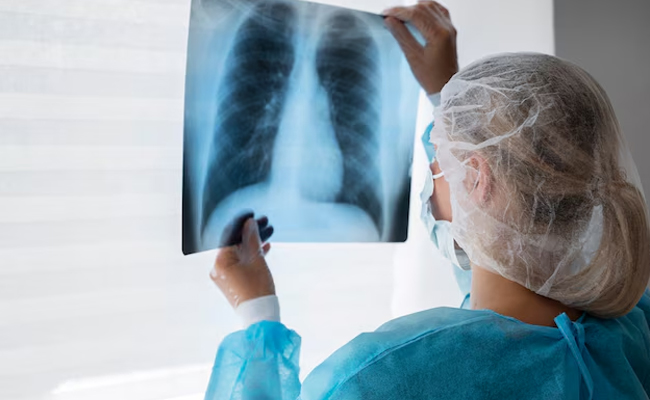
The government is procuring over 800 artificial intelligence-enabled portable chest x-ray machines to complement India's extensive TB laboratory network, the largest in the world with 7,767 rapid molecular testing facilities and 87 culture and drug susceptibility testing laboratories, the sources said.
"This acknowledgement by WHO signifies the paradigm shift India has brought to tuberculosis care over the past eight years. In October, the government announced the enhancement of support under Nikshay Poshan Yojana (NPY) from Rs 500 per month to each patient for the entire duration of the treatment to Rs 1,000," another source said.
To date, Rs 3,202 crore has been disbursed to 1.13 crore beneficiaries through Direct Benefit Transfer under the scheme. While enhancement of NPY support will benefit all 25 lakh tuberculosis patients in a year, the introduction of Energy Dense Nutritional Supplementation (EDNS) would cover approximately 12 lakh under-nourished TB patients.
EDNS would be provided to all eligible patients for the first two months of their treatment.
Let the Truth be known. If you read VB and like VB, please be a VB Supporter and Help us deliver the Truth to one and all.
Sujit Nair raises concerns over speculation of DMK-AIADMK understanding to block TVK
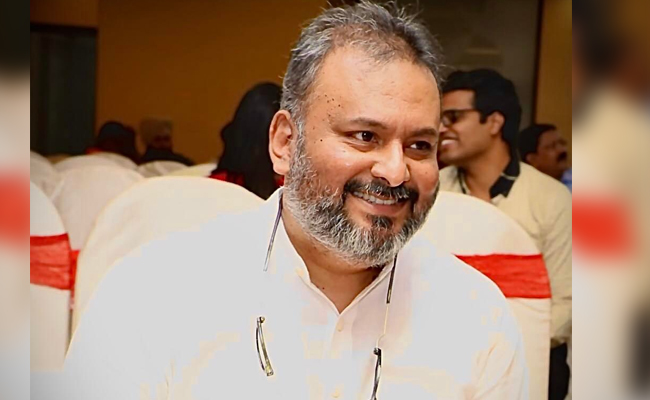
Chennai: Journalist and political commentator Sujit Nair has expressed concern over speculation that the Dravida Munnetra Kazhagam and the All India Anna Dravida Munnetra Kazhagam could explore a post-poll understanding to prevent Vijay-led Tamilaga Vettri Kazhagam from forming the government in Tamil Nadu.
In a social media post, Sujit Nair said the election verdict in Tamil Nadu reflected a clear public demand for political change and argued that the mandate should be respected irrespective of political preferences.
Referring to reports and political discussions surrounding a possible understanding between the DMK and AIADMK, he said he hoped such developments remained only speculative conversations and did not turn into reality.
Nair stated that if such an alliance were to take shape, it would raise serious questions about ideological politics in the country. He said TVK had emerged through a democratic electoral process and that the legitimacy to govern in a parliamentary democracy comes from the people’s verdict.
According to him, attempts to prevent an electoral winner from forming the government through unexpected political arrangements may be constitutionally valid, but many people could view them as politically opportunistic.
He further said that such a move could particularly affect the political image of the DMK, which has historically projected itself around ideology, social justice and opposition politics. Nair said that in ideological terms, the DMK appeared closer to TVK than to the AIADMK, and joining hands with its long-time political rival only to remain in power could weaken its broader political narrative.
He added that the same questions would apply to the AIADMK as well, as the party had spent decades positioning itself against the DMK and such an arrangement could create discomfort among its cadre and supporters.
Drawing a comparison with Maharashtra politics in 2019, Nair said he had expressed similar views when the Shiv Sena formed an alliance with the Indian National Congress and the Nationalist Congress Party after the Assembly elections.
He said post-poll alliances between long-standing political rivals often create a public perception that ideology and electoral mandates become secondary when political power equations come into play.
Nair also said such developments increase public cynicism towards politics and reinforce the belief among voters that ideology is often sidelined after elections.
He maintained that the Tamil Nadu verdict was emphatic and said respecting both the spirit and substance of the mandate was important for the credibility of democratic politics.