India records less than 30,000 fresh COVID-19 cases in over three months
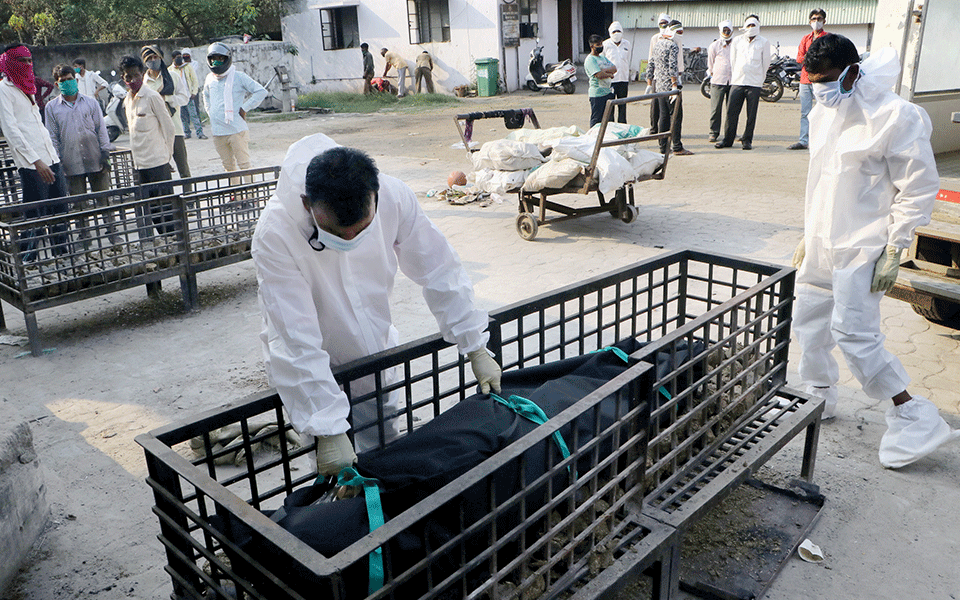
New Delhi: India recorded less than 30,000 fresh COVID-19 cases after 132 days while its active caseload fell below 4,00,000 after 124 days on Tuesday, according to Union health ministry data.
As many as 29,689 new coronavirus infections took the country's tally of COVID-19 cases to 3,14,40,951 while 415 fresh fatalities pushed the death toll to 4,21,382, the data updated at 8 am showed.
The number of active cases dropped to 3,98,100 and comprises 1.27 per cent of the total infections. The national COVID-19 recovery rate improved to 97.39 per cent, it stated.
The number of active cases fell by 13,089 in a span of 24 hours. As many as 17,20,110 COVID-19 tests were conducted on Monday, taking the total number of tests conducted so far to 45,91,64,121.
The daily positivity rate declined to 1.73 per cent. The weekly positivity rate was recorded at 2.33 per cent, the ministry data stated.
The number of people who have recuperated from the disease surged to 3,06,21,469, while the case fatality rate stands at 1.34 per cent, it said.
The total number of Covid vaccine doses administered so far as part of the nationwide vaccination drive has reached 44.19 crore.
India's COVID-19 tally had crossed the 20-lakh mark on August 7, 30 lakh on August 23, 40 lakh on September 5 and 50 lakh on September 16. It went past 60 lakh on September 28, 70 lakh on October 11, crossed 80 lakh on October 29, 90 lakh on November 20 and surpassed the one-crore mark on December 19.
The caseload crossed the grim milestone of 2 crore on May 4 and 3 crore on June 23.
The 415 new fatalities include 135 from Kerala, 62 from Odisha and 53 from Maharashtra.
A total of 4,21,382 deaths have been reported so far in the country including 1,31,605 from Maharashtra, 36,405 from Karnataka, 33,937 from Tamil Nadu, 25,044 from Delhi, 22,750 from Uttar Pradesh and 18,085 from West Bengal.
The health ministry stressed that more than 70 per cent of the deaths occurred due to comorbidities.
"Our figures are being reconciled with the Indian Council of Medical Research," the ministry said on its website, adding that state-wise distribution of figures is subject to further verification and reconciliation.
Let the Truth be known. If you read VB and like VB, please be a VB Supporter and Help us deliver the Truth to one and all.
Bihar: Over 150 children fall ill after consuming 'mid-day meal' in Saharsa
Saharsa (PTI): More than 150 children were taken ill after allegedly consuming food that was part of the mid-day meal in a school in Bihar’s Saharsa district, a senior official said on Thursday.
The incident occurred at a middle school in Baluaha village of the district.
The official said that 115 children were undergoing treatment at the Sadar Hospital, while around 50 students were admitted to Mahishi Public Health Centre.
“We received information that several children fell ill after consuming the mid-day meal in Baluaha. The children were initially treated at the primary health centre, but later, many were referred to the Sadar Hospital,” Saharsa District Magistrate Deepesh Kumar told reporters.
“According to doctors, the health condition of the children has improved, but they will be kept under observation for some time. There is no need to panic. Some kids are having mild fever. They are being treated accordingly,” Kumar said.
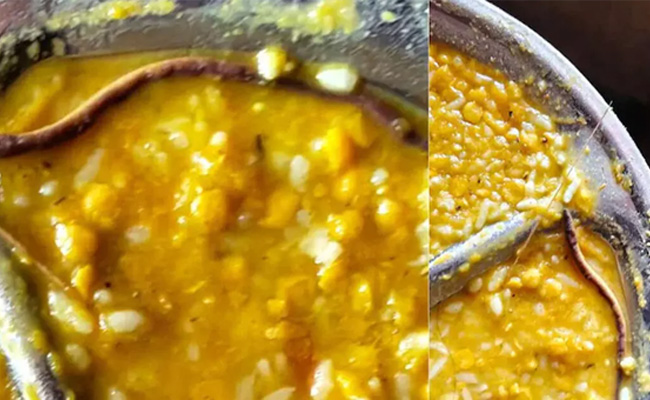
Meanwhile, family members of some children claimed that a snake was found in the container in which cooked pulses was stored at the school.
Of the 545 students present in the school, 200 had already eaten their meals by the time the snake was spotted, and later complained of stomach ache and vomiting, they said.
Regarding the claims, the DM said food samples have been collected from the school.
“We will be able to comment on this only after the results of the tested samples arrive,” he said.