India struggles to treat deadly Superbug infections following antibiotic access crisis: Study

New Delhi: A new global study has revealed a troubling gap in the treatment of deadly superbug infections across low- and middle-income countries, with India bearing the brunt of the crisis. Of the nations under study, India purchases 80% of the whole antibiotic courses. Only 7.8% of the anticipated instances of drug-resistant illnesses were successfully treated.
The Lancet Infectious Diseases has released a study conducted by the Global Antibiotic Research and Development Partnership (GARDP) in eight countries, including Brazil, South Africa and India. About 1.5 million cases of carbapenem-resistant Gram-negative (CRGN) bacterial infections were studied in the report.
Only 6.9% of patients across all eight countries received appropriate treatment. India recorded the highest number of cases and also a massive shortfall in access to effective drugs. Tigecycline, one of the few antibiotics effective against CRGN infections, was the most widely used but remained vastly under-procured.
Doctors warn that these infections are increasingly common in hospitals, especially in intensive care units which often prove fatal due to lack of effective treatment.
“In our hospitals, we regularly see patients for whom no antibiotic works,” said Dr Abdul Ghafur, infectious disease specialist at Apollo Hospital, Chennai. “Many of them do not survive.”
Experts blame the treatment gap on poor access, high drug costs, limited diagnostic testing, and weak health infrastructure. The study calls for improved access to affordable antibiotics, tighter regulation to prevent overuse and coordinated procurement models to reduce costs.
Let the Truth be known. If you read VB and like VB, please be a VB Supporter and Help us deliver the Truth to one and all.
India-bound LPG tanker clears Hormuz
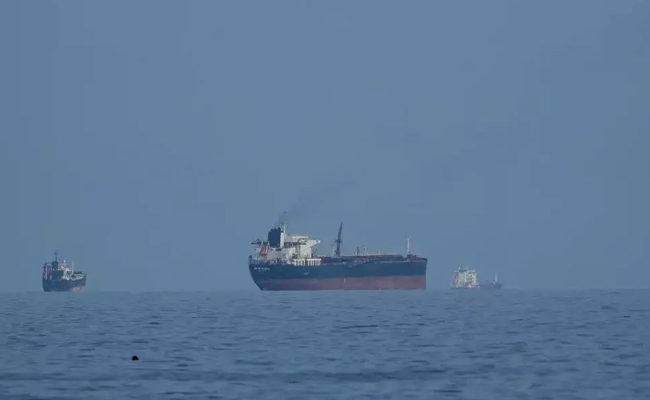
New Delhi (PTI): A tanker carrying liquefied petroleum gas (LPG) for India has sailed out of the Strait of Hormuz and is now headed towards the country, an official statement said on Sunday.
The Marshall Islands-flagged LPG carrier MT Sarv Shakti, loaded with 46,313 tonnes of LPG and staffed by 20 crew, including 18 Indians, cleared the key shipping chokepoint on May 2 and is expected to reach Visakhapatnam on May 13, it said.
The cargo -- enough to meet half a days requirement of the country -- will partly tide over supply constraints being faced since the start of the West Asia conflict more than two months back.
Ship-tracking data showed its position in Oman Gulf on Sunday evening.
The very large gas carrier has previously made runs between the Persian Gulf and Indian ports, has been chartered by state-owned Indian Oil Corporation (IOC).
Sarv Shakti is the first India-linked tanker to cross the war zone since a weeks-old US blockade of ships tied to Iran began, pushing transits through Hormuz back down to almost zero.
There are as many as 14 Indian flagged or India-owned vessels still stranded on the west side of the Strait of Hormuz.
The statement said no incident involving Indian-flagged vessels has been reported in the past 24 hours. The Ministry of Ports, Shipping and Waterways is working closely with the Ministry of External Affairs, Indian missions and maritime stakeholders to ensure crew welfare and uninterrupted operations.
The Directorate General of Shipping (DG Shipping) control room has handled 8,373 calls and more than 17,965 emails since activation, including 38 calls and 127 emails in the last 24 hours.
India has also facilitated the repatriation of more than 2,953 seafarers so far, including 31 in the past day from across the Gulf region.
Port operations across the country remain normal with no congestion reported, the statement added.