India transitioning to fuel-exporting nation: Gadkari
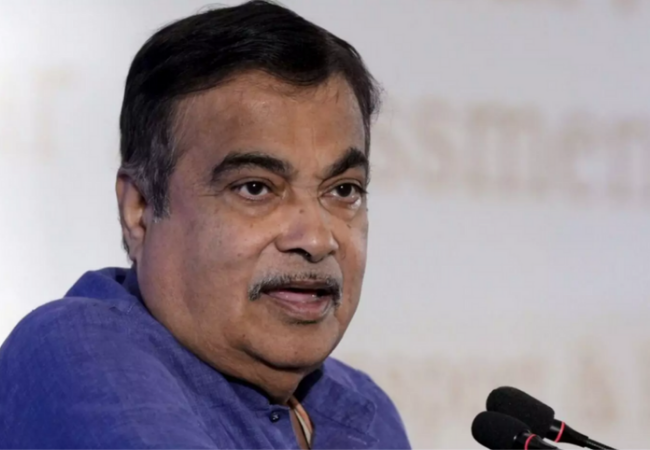
Bhubaneswar (PTI): Union minister Nitin Gadkari on Friday said India is transitioning from a fuel-importing to a fuel-exporting nation, driven by the growing production and use of ethanol, methanol and green hydrogen.
Gadkari, addressing the 84th annual session of the Indian Roads Congress (IRC), emphasised the government’s commitment to road safety, focusing on advanced engineering standards, intelligent transport systems, and awareness initiatives.
“India is transitioning from a fuel-importing to a fuel-exporting nation, driven by the growing production and use of ethanol, methanol, bio-LNG, CNG, and green hydrogen,” he said.
“India is the fastest-growing economy in the world. The dream of our Prime Minister is to make India the third-largest economy. Our mission is to make the country a ‘Vishwaguru’. For that, we need world-class infrastructure in the water, power, transport, and communication segments,” the Union Road Transport and Highways Minister said.
Gadkari said the government’s aim is to build a modern infrastructure rooted in innovation and sustainable mobility solutions.
“This transformative approach will generate extensive employment opportunities, strengthen the infra-skill ecosystem, and steer India towards a self-reliant and resilient future,” he said.
Underscoring the crucial role of road engineers, the Union minister said their precision and innovation are key to preparing accurate detailed project reports (DPRs) and developing safe highways.
He also noted that the use of bio-bitumen and recycled plastic waste in highway construction is enhancing durability, sustainability, and cost efficiency, while supporting the nation’s eco-friendly infrastructure goals.
At the event, Gadkari also announced Rs 1,000 crore for Odisha under the Central Road Fund (CRF).
Let the Truth be known. If you read VB and like VB, please be a VB Supporter and Help us deliver the Truth to one and all.
Lebanon appoints new representative for talks with Israel, rejects linkage to Iran
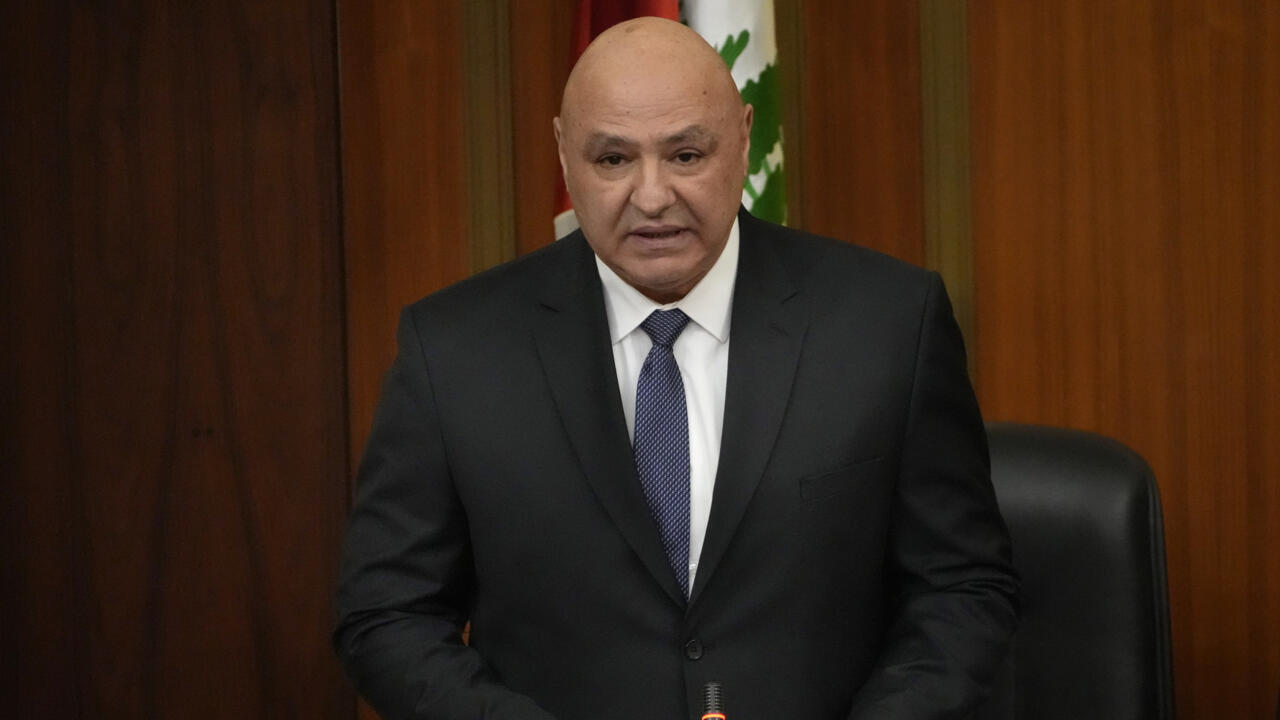
Beirut: Lebanon’s has moved to underline its independent position in ongoing regional developments, amid attempts to link the country to the broader conflict involving Iran, the United States and Israel.
President Joseph Aoun, while announcing the appointment of former US ambassador Simon Karam as Lebanon’s representative in talks with Israel, made it clear that Karam would be the sole representative for Lebanon and that there would be no substitute.
The move comes in response to what the Lebanese officials see as efforts by Iran to tie Lebanon’s situation to the wider regional conflict. Iran had indicated that there would be no ceasefire involving the US, Israel and Iran unless it also included a ceasefire in Lebanon.
Some groups, including Hezbollah and its supporters, had expressed support for linking the situations, citing concerns that the Lebanese government has limited leverage in negotiations with Israel. Lebanon is not formally a party to the conflict, and its army is considered weak.
However, others, including Prime Minister Nawaf Salam, have opposed this approach. They view Iran’s stance as an attempt to influence Lebanon’s internal affairs and see it as undermining the country’s sovereignty.
Officials backing the government’s position say the move is aimed at reaffirming Lebanon’s sovereignty and ensuring that decisions about peace and ceasefire within the country are not dictated externally.
They also see it as a safeguard, so that any breakdown in talks between the US, Israel and Iran does not automatically lead to renewed conflict in Lebanon.