Indian medical experts welcome Oxford trial results for COVID vaccine
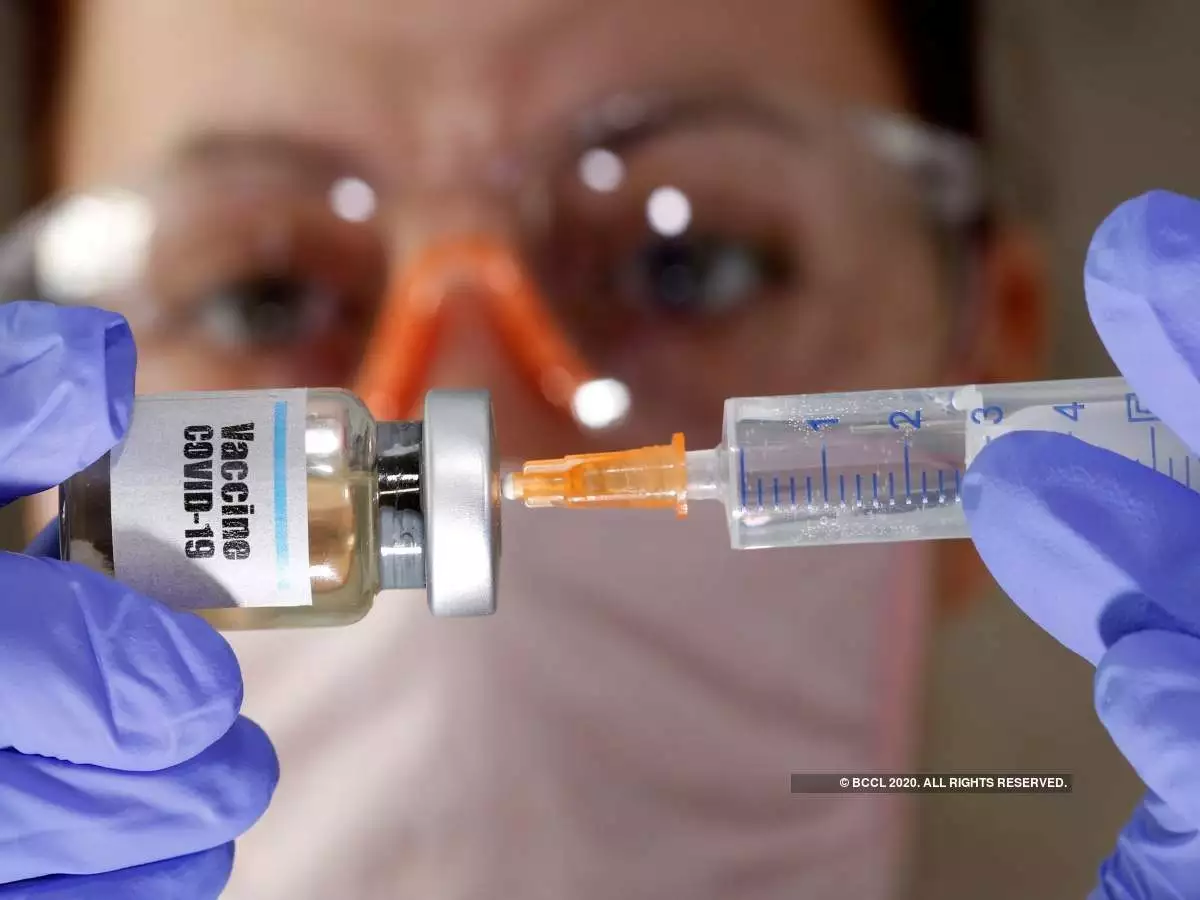
New Delhi: Medical experts in India on Monday hailed the results of Oxford University's early-stage human trials for a COVID-19 vaccine, with some saying it's the "most scientifically done" among all such exercises, while others expressing hope that the final trials will "bear fruit".
From clinicians to pathology experts, doctors in the country feel the Oxford trials have been the "most transparent" one by far.
"The Oxford University's early-stage trial results have been were welcoming. Among all the trials being conducted globally, this one has been the most scientifically done and seems the most reliable one," said Dr. Suranjit Chatterjee, Senior Consultant, Internal Medicine at Apollo Hospital here.
He said the plan and design of the trials and the whole logistics and demographic range of volunteers from 18-55 years has been "done the most scientifically" among all the trials going on globally.
Chatterjee said the results have raised "good hope" and it is expected the final results will be in line, but "we need to wait for that before drawing any final conclusion".
The trial data of a COVID-19 vaccine developed by AstraZeneca and Oxford University reveals that it is safe and induces immune response, with mild side effects in some participants, which the scientists say can be treated with the commonly available pain medication paracetamol.
The preliminary results of the phase I/II trial, just published in The Lancet journal, involved 1,107 healthy adults, and found that the vaccine induced an immune response both via antibodies and the T cells of the immune system up to day 56 of the ongoing trial.
Since emerging in the central Chinese city of Wuhan last year, the virus has killed over 606,000 people and infected more than 14,538,000 people worldwide. In India, the virus has caused 27,497 deaths and infected over 11 lakh people, according to latest official figures.
Executive Chairman, Dr. Lal Path Labs, Dr. Arvind Lal also hailed the initial results, terming it as "very positive" and "best trials conducted globally so far".
"This is such a promising trial and I am very hopeful, it will go the distance. And, early-stage results will lead to good final-stage results. I am very optimistic about its final outcome and it will bear fruits," Lal said.
On the trial results he said, it has taken into account response of adult volunteers from 18-55 years, a broad-based age group.
"Serum Institute of India is associated with the trial process, and if we develop this vaccine, it is going to really benefit India, both clinically and economically," Lal said.
Dr. Mrinal Sircar, head of pulmonology at Gortis Hospital, Noida, also welcomed the results, but cautioned that "prevention is the only thing we have in hand" and people should maintain the safety norms and "not let their guards down".
"I think it's (trials) really important. The vaccine is the only thing that will stop this pandemic. Vaccine is very important. I am looking forward to it. Once things are beyond safety trials, we can say anything. Normally, it would take years," he said.
Dr. Lal said developing a vaccine through such trials is like a marathon race. "Oxford trials have crossed the first hurdle successfully, and I am positive that it will breast the tape eventually in the race".
Let the Truth be known. If you read VB and like VB, please be a VB Supporter and Help us deliver the Truth to one and all.
AI, IndiGo, SpiceJet seek ATF price relief; say airline industry on verge of 'stopping operations'

Mumbai (PTI): Air India, IndiGo and SpiceJet have told the government that the country's airline industry is under extreme stress and on the verge of "stopping operations", as they sought revision in ATF pricing and financial support.
The West Asia turmoil has pushed up oil prices, and airspace restrictions have increased airlines' operating costs, especially on long-haul routes. Aviation Turbine Fuel (ATF) accounts for around 40 per cent of a carrier's operational expenses.
Against this backdrop, the Federation of Indian Airlines (FIA) has written to the civil aviation ministry, seeking steps to extend the same fuel pricing mechanism uniformly across both domestic and international operations as was done in the past with the establishment of the crack band.
ALSO READ: Tharoor junks Rijiju's claim that he agreed Cong is 'anti-women'; hails his party
With an unprecedented rise in jet fuel prices and exorbitant crack/differential between crude and ATF, the federation said the operation of airlines is being challenged in totality.
"... any ad hoc pricing (domestic vs international) and/or irrational increase in the price of ATF will result in unsurmountable losses for airlines and will lead to grounding of aircraft, resulting in cancellation of flights," the federation, which represents Air India, IndiGo and SpiceJet, said.
"In order to survive, sustain and continue operation, we request your urgent intervention for immediate and meaningful financial support to tide over the current situation," it said in a letter on April 26.
Also, the airlines have sought temporary deferment of excise duty on ATF, which is at 11 per cent.
"With the abnormal increase in ATF prices from the pre-crisis period, adding rupee depreciation to the increased prices, the 11 per cent excise duty also increases manifold for the airlines and adds to the ATF price as a big impact on airlines," they said.
Last month, the government limited the hike in ATF price to Rs 15 per litre for domestic operations, but for international operations, the price rose by Rs 73 per litre.
The airlines said the situation has practically made international operations, along with domestic operations, completely unviable and resulted in significant losses for the aviation sector in April.
Seeking urgent intervention on the current ATF ad hoc pricing, FIA said the current situation is creating a severe imbalance in domestic and international operations and rendering airline networks unviable and unsustainable.
"The airline industry in India is under extreme stress and is on the verge of closing down or of stopping its operations."
The federation has pitched for a transparent pricing framework under the crack band mechanism (USD 12–22/BBL) that was implemented in October 2022, saying there was a fair and reasonable margin for Oil Marketing Companies (OMCs).
According to FIA, the country's largest aviation hub Delhi has the second-highest value-added tax (VAT) of 25 per cent on jet fuel, while the highest rate is 29 per cent levied in Tamil Nadu.
"The other major aviation cities, viz. Mumbai, Bangalore, Hyderabad, and Kolkata range between 16 per cent and 20 per cent. These 6 cities cover more than 50 per cent of airlines' operations within India," the federation said.