India's COVID-19 recovery rate rises to 67.19%; case fatality drops to 2.09%: Govt
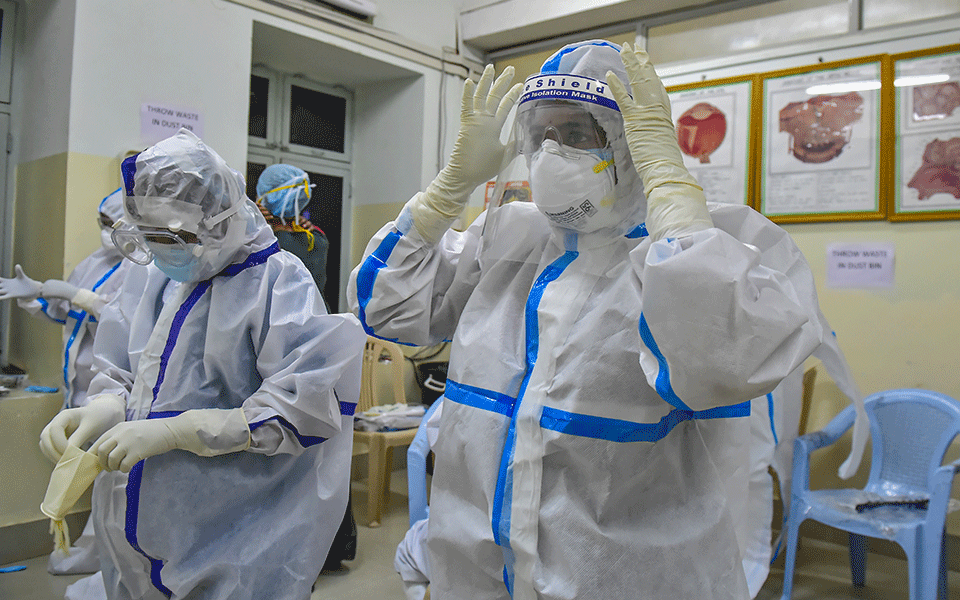
New Delhi: A total of 51,706 patients have recuperated from COVID-19 in India in a span of 24 hours, the highest in a day, pushing the recovery rate to 67.19 per cent on Wednesday while the case fatality rate has further dropped to 2.09 per cent, the Union health ministry said.
The recoveries have surged to 12,82,215 and are more than twice the active cases of the coronavirus infection, it said.
Due to the record highest daily recoveries, the active cases have reduced to 5,86,244 and comprise 30.72 per cent of the total COVID-19 caseload.
"With an increasing number of COVID-19 patients recovering, there has been a 63.8 per cent increase in the recovered cases in the last 14 days, indicating that the COVID-19 response and management driven by the Centre's 'test, track, treat', strategy is yielding the desired results," the ministry said in the statement.
Coordinated implementation of the strategy by the Union and state and Union Territories governments has also ensured that the COVID-19 case fatality rate has been low when compared to the global scenario.
"It has been progressively falling and stands at 2.09 per cent as on date," the ministry said.
The aggressive testing along with ramped up hospital infrastructure by collective efforts of the public and private sectors has ensured the increasing recovery rate, which has improved from 63 to 67 per cent in the last 14 days, it said.
With such consistent increase, recoveries now exceed the active cases of COVID-19 by nearly 7 lakh. India has continued testing more than 6 lakh COVID-19 samples for the second consecutive day on Tuesday, the ministry said.
The resolve of Union and state or Union Territory governments to follow aggressive testing as the first important step in the early detection and treatment/home isolation of COVID-19 cases has resulted in India rapidly increasing the number of tests done per day, it said.
"The graded and evolving response resulted in a testing strategy that steadily widened the testing network in the country," it said.
With 6,19,652 tests conducted on Tuesday, the cumulative testing as on date has reached 2,14,84,402. The tests per million has seen a sharp increase to 15,568.
The testing lab network in the country is being continuously strengthened and as on date consists of 1,366 labs in the country with 920 labs in the government sector and 446 private labs.
India's COVID-19 tally mounted to 19.08 lakh on Wednesday, with 52,509 people testing positive for COVID-19 in a day, while the death toll climbed to 39,795 with 857 people succumbing to the disease in a span of 24 hours, data updated at 8 am showed.
Let the Truth be known. If you read VB and like VB, please be a VB Supporter and Help us deliver the Truth to one and all.
Karnataka School Edu Dept prohibits children from being made to dance to obscene songs
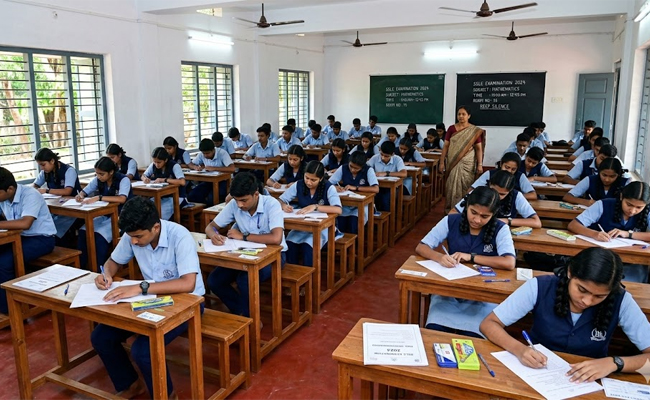
Bengaluru (PTI): The Karnataka School Education Department has issued a circular strictly prohibiting children from being made to dance to obscene songs in educational and cultural programmes.
It stated that such dances would negatively impact students' mental health and moral values. It will create indiscipline and harm the sanctity of education.
"All the Deputy Directors (Administration) of the state's School Education Department have been asked to take strict measures to prevent children or students from dancing to obscene songs in all government, aided and unaided schools in the state," the office of the commissioner of the School Education Department said in a recent circular.
"If it is found that children are being made to dance to obscene songs, appropriate action will be taken against the headmaster or management of such school," it added.
The department also listed certain measures in this regard, which include: strictly prohibiting children from being made to dance to obscene songs during educational and cultural programmes; selecting songs that are inspiring, positive, instilling national pride in children and reflecting the greatness, dignity, values, culture, and morality of the state.
Stating that the school headmaster and management are responsible for selecting songs and dances for cultural programmes, it said, they should also ensure that students wear decent clothes in dance or cultural programmes.