India's COVID-19 recovery rate soars past 70%, record 56,110 recuperate in one day
New Delhi: India's COVID-19 recovery rate soared past 70 per cent on Wednesday with 16,39,599 people having recuperated from the disease so far in the country, while active cases comprise 27.64 pc of the total caseload, the Union Health Ministry said.
The case fatality rate has further declined to 1.98 per cent, it said.
The highest single-day recoveries at 56,110 are the result of the successful implementation of effective containment strategy, aggressive and comprehensive testing coupled with standardised clinical management of the critical patients based on holistic standard of care approach, the ministry said.
The coordinated efforts of the central, state and UT governments have resulted in continuously increasing average daily recoveries, it said.
"In the first week of July, the daily average recovered cases were at 15,000 which jumped to more than 50,000 in the first week of August," the health ministry said.
"With more patients recovering and being discharged from hospitals and home isolation (in case of mild and moderate cases), the total recoveries have crossed the 16 lakh-mark and recovery rate has reached another high of 70.38 per cent," it added.
There are 6,43,948 active cases of coronavirus which is "actual caseload" of COVID-19 in the country and currently comprise 27.64 per cent of the total positive cases.
They are under active medical supervision.
With a consistent and sustained increase in recoveries, the gap between recovered patients and active COVID-19 cases has reached nearly 10 lakh, the ministry stated.
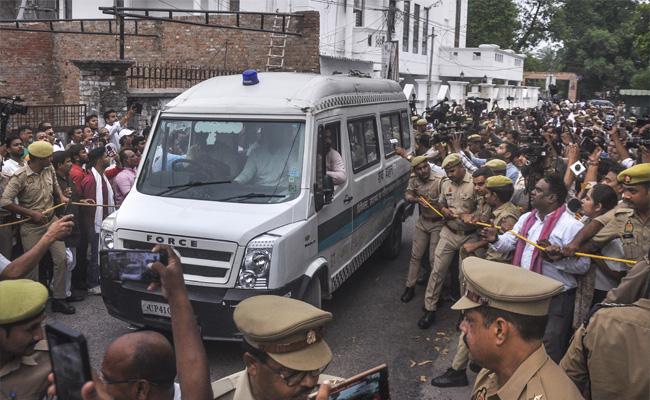
Focus on improved and effective clinical treatment in hospitals, use of non-invasive, improved and coordinated services of the ambulances for ferrying patients for prompt and timely treatment have resulted in seamless efficient patient management of COVID-19 patients.
"As a result, the case fatality rate (CFR) has been low when compared to the global average. It is currently standing at 1.98 per cent," the ministry said.
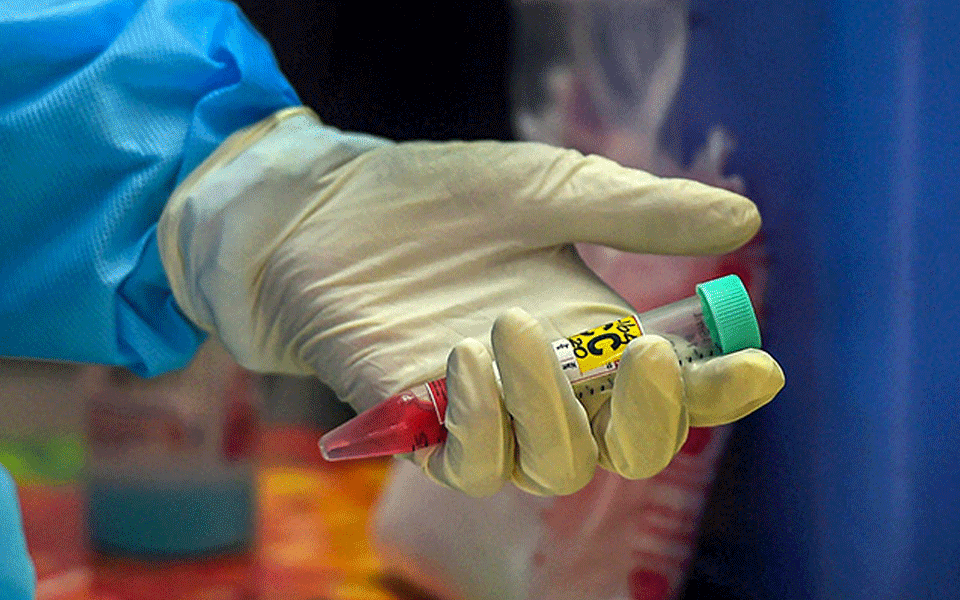
India's 'test, track, treat' strategy has achieved another peak with 7,33,449 tests done in 24 hours on Tuesday. This has taken the cumulative tests to more than 2.6 crore. The tests per million has jumped to 18,852, it stated.
The graded and evolving response has resulted in a testing strategy that steadily widened the testing net in the country.
To keep up with this strategy, the testing lab network in the country is continuously strengthened which consists of 1,421 labs in the country with 944 labs in the government sector and 477 private labs, the ministry said.
India's COVID-19 tally went past 23 lakh on Wednesday with a single-day increase of 60,963 infections, while 834 new fatalities, reported in a span of 24 hours, pushed the death toll to 46,091, data updated at 8 am showed.
Let the Truth be known. If you read VB and like VB, please be a VB Supporter and Help us deliver the Truth to one and all.
Congress using hijab issue to pacify minority anger, alleges Karnataka LoP R Ashoka
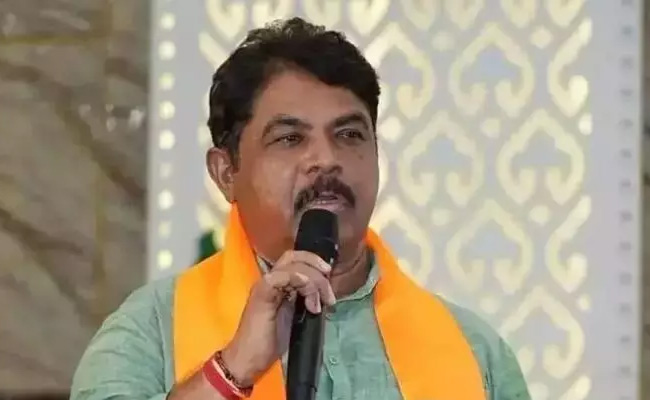
Bengaluru: Leader of Opposition in the Assembly R. Ashoka has accused the Congress government of using the hijab issue to placate what he described as discontent among minority voters after the Davanagere by-election.
In a post on X on Wednesday, Ashoka alleged that the state government, instead of addressing issues such as price rise, corruption, farmers’ distress and law and order, was attempting to retain its minority vote base by reviving the hijab issue.
Referring to the 2022 dress code introduced by the BJP government, which prohibited hijab in schools and colleges, Ashoka said the Karnataka High Court had upheld the policy and emphasised the importance of discipline in educational institutions.
He questioned the Congress government’s move to revisit the issue and asked whether setting aside the court-backed policy to benefit one community could be described as secularism.
Ashoka further alleged that while the government was willing to permit hijab, it continued to prohibit saffron shawls.
He accused the government of dividing students on religious lines rather than treating schools and colleges as spaces of equality.
Drawing a comparison with Mamata Banerjee’s government in West Bengal, Ashoka claimed that excessive appeasement politics had harmed the state and warned that the Congress in Karnataka could face a similar political response.
He said voters in Karnataka would teach the Congress a lesson for what he termed “vote-bank politics” and for compromising constitutional and judicial principles.