India’s leading Structural Engineer, man behind Salarjung Museum, Mahendra Raj passes away at 97
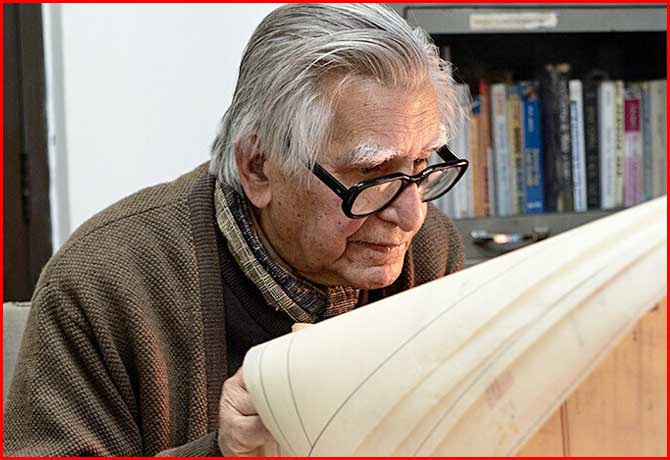
New Delhi: Mahendra Raj, one of India’s leading structural engineers and the man behind some of the most iconic modern buildings in the country passed away on Sunday at his residence in Delhi, aged 97. The funeral rites of Raj were held at Lodhi Crematorium here in the national capital at 5:30 pm today.
Some of the most prolific buildings that Mahendra Raj engineered are the Hall of Nations in Pragati Maidan, New Delhi, the Salarjung Museum in Hyderabad, and the Municipal Stadium and Sports Complex in Ahmedabad.
After completing his civil engineering in Lahore in 1946, he joined the Punjab Works Department Buildings and Roads and rose to the rank of an executive engineer, working on Le Corbusier’s buildings in Chandigarh. With Pritzker Prize-winner architect B V Doshi, he also worked with American architect Louis Kahn at the Indian Institute of Management, Ahmedabad.
Syed Mohamed Beary, Chairman of Bearys Group expressed condolences on the passing away of Mahendra Raj adding that the Bearys Group took pride in the fact that several of its key projects were designed by Mahendra Raj himself.
“Every Bearys Group project that he designed has been applauded by everyone and have won several prestigious awards as well. He was a pioneer of structural engineering and a rare talent. He is the role model for several generations of engineers to come.” Syed Mohamed Beary said.
Let the Truth be known. If you read VB and like VB, please be a VB Supporter and Help us deliver the Truth to one and all.
Congress using hijab issue to pacify minority anger, alleges Karnataka LoP R Ashoka
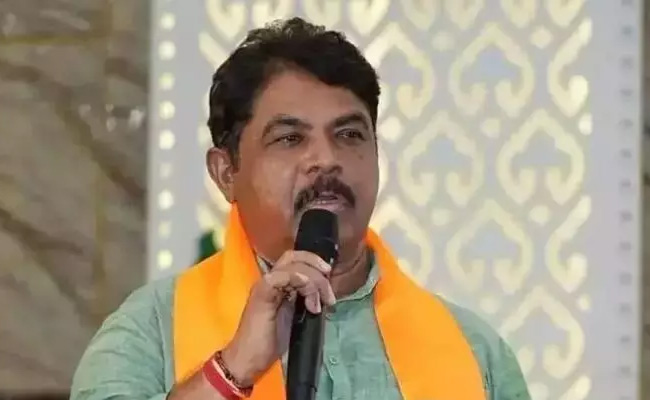
Bengaluru: Leader of Opposition in the Assembly R. Ashoka has accused the Congress government of using the hijab issue to placate what he described as discontent among minority voters after the Davanagere by-election.
In a post on X on Wednesday, Ashoka alleged that the state government, instead of addressing issues such as price rise, corruption, farmers’ distress and law and order, was attempting to retain its minority vote base by reviving the hijab issue.
Referring to the 2022 dress code introduced by the BJP government, which prohibited hijab in schools and colleges, Ashoka said the Karnataka High Court had upheld the policy and emphasised the importance of discipline in educational institutions.
He questioned the Congress government’s move to revisit the issue and asked whether setting aside the court-backed policy to benefit one community could be described as secularism.
Ashoka further alleged that while the government was willing to permit hijab, it continued to prohibit saffron shawls.
He accused the government of dividing students on religious lines rather than treating schools and colleges as spaces of equality.
Drawing a comparison with Mamata Banerjee’s government in West Bengal, Ashoka claimed that excessive appeasement politics had harmed the state and warned that the Congress in Karnataka could face a similar political response.
He said voters in Karnataka would teach the Congress a lesson for what he termed “vote-bank politics” and for compromising constitutional and judicial principles.