IndiGo appoints former AI Express MD Aloke Singh as Chief Strategy Officer
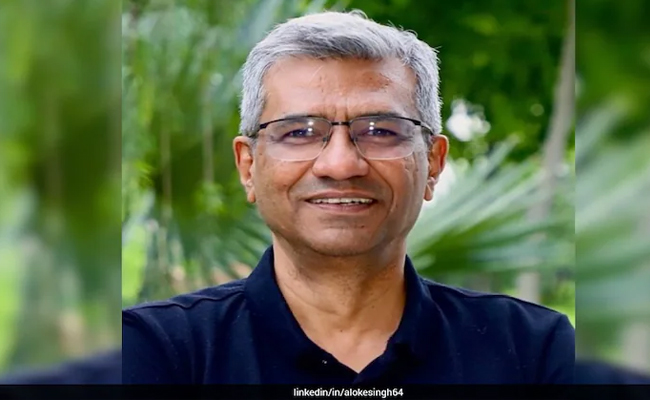
New Delhi (PTI): The country's largest airline IndiGo on Monday announced the appointment of former Air India Express Managing Director Aloke Singh as its Chief Strategy Officer.
The appointment comes two weeks after the sudden resignation of IndiGo's CEO Pieter Elbers.
Singh, an aviation industry veteran who led Air India Express for over five years, will now report to IndiGo's Managing Director Rahul Bhatia. Once the new CEO takes over, Singh will start reporting to that person.
The board of InterGlobe Aviation, which operates the airline under the name IndiGo, approved Singh's appointment on Monday.
On March 2, Singh told the Air India Express staff that he was departing the airline after his tenure ends on March 19.
"Singh will lead the company's long-term strategic planning function and drive enterprise-wide transformation initiatives focused on accelerating growth, enhancing operational efficiency and strengthening competitive positioning in a rapidly evolving global aviation landscape.
"He will partner closely with the leadership team on cross-functional priorities designed to improve agility, elevate customer experience and deliver sustainable shareholder value," IndiGo said in a statement on Monday.
Bhatia said Singh brings an exceptional blend of strategic vision and operational depth.
"His comprehensive understanding of the aviation ecosystem will be invaluable as we build a more agile, resilient and future-ready organisation, and accelerate our next phase of growth. For now, Aloke will report to me. Once the next CEO assumes office, he will transition to reporting to the new Chief Executive," Bhatia said.
Singh had served at Air India Express as Managing Director and as Chief Executive Officer. He has also held senior leadership positions at Air India and Oman Air.
“I am delighted to join IndiGo at such a pivotal moment for the airline and for Indian aviation broadly. Having redefined India’s domestic and short-haul international aviation landscape, IndiGo is taking its ambitions global.
"I look forward to working with colleagues across the organisation to sharpen our strategic direction, double down on operational excellence and deepen and broaden our markets," Singh said in the statement.
In a message to the staff, Bhatia said Singh would lead the company's mid-to-long-term strategic planning function and drive transformation initiatives focused on accelerating growth, enhancing operational efficiencies and elevating customer experience.
According to Bhatia, Singh would be responsible for synchronising network/ product evolution with the fleet plan, driving long-term strategic projects, including the entry-into-service of the A350-900 into the airline's fleet and the development of hub airports in India to support the global aspirations.
Singh has the distinction of helming Air India Express, which has significantly expanded its operations under the ownership of the government, as well as the Tata Group. Also, his departure will mark a top-level change at the airline after coming under the Tata Group in January 2022.
He joined the then government-owned Air India Express as Chief Executive Officer (CEO) on November 9, 2020, and was appointed as the MD for a three-year period on March 19, 2023.
Meanwhile, Pieter Elbers quit as IndiGo CEO citing personal reasons on March 10, and the country's largest airline has relieved him with immediate effect, a development that came three months after massive operational disruptions triggered widespread public outrage and regulatory actions.
Let the Truth be known. If you read VB and like VB, please be a VB Supporter and Help us deliver the Truth to one and all.
Lebanon appoints new representative for talks with Israel, rejects linkage to Iran
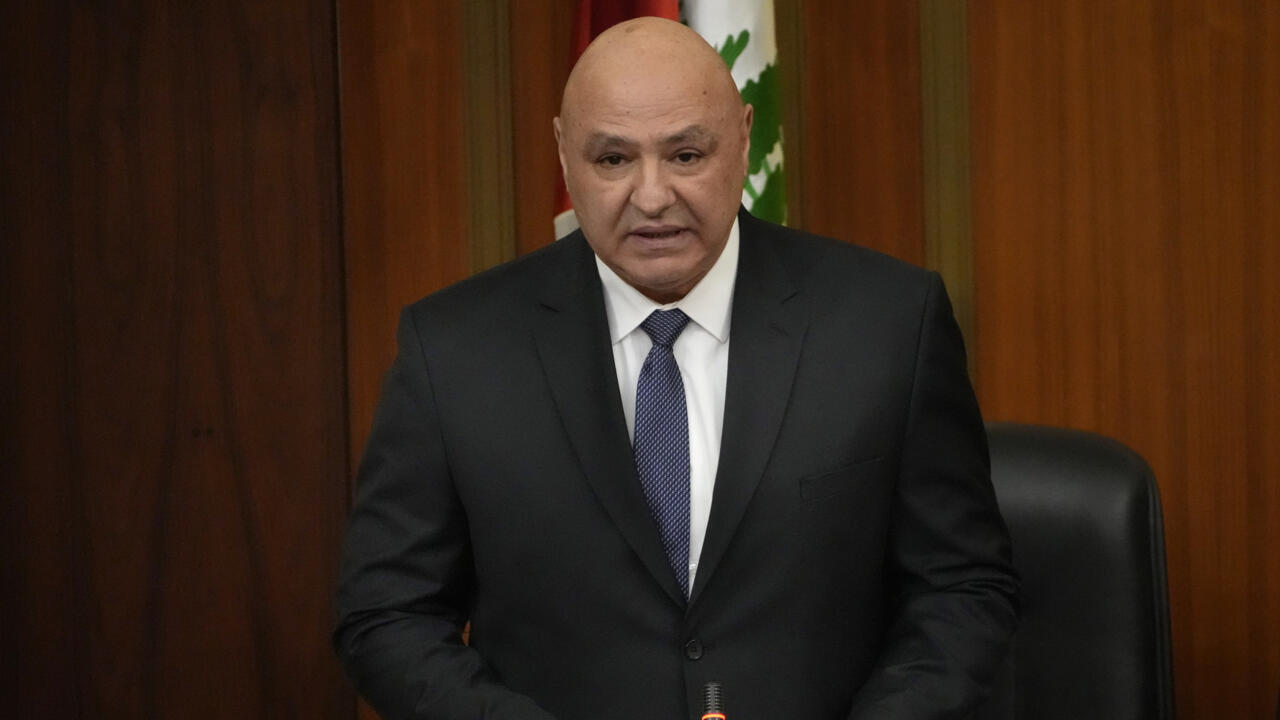
Beirut: Lebanon’s has moved to underline its independent position in ongoing regional developments, amid attempts to link the country to the broader conflict involving Iran, the United States and Israel.
President Joseph Aoun, while announcing the appointment of former US ambassador Simon Karam as Lebanon’s representative in talks with Israel, made it clear that Karam would be the sole representative for Lebanon and that there would be no substitute.
The move comes in response to what the Lebanese officials see as efforts by Iran to tie Lebanon’s situation to the wider regional conflict. Iran had indicated that there would be no ceasefire involving the US, Israel and Iran unless it also included a ceasefire in Lebanon.
Some groups, including Hezbollah and its supporters, had expressed support for linking the situations, citing concerns that the Lebanese government has limited leverage in negotiations with Israel. Lebanon is not formally a party to the conflict, and its army is considered weak.
However, others, including Prime Minister Nawaf Salam, have opposed this approach. They view Iran’s stance as an attempt to influence Lebanon’s internal affairs and see it as undermining the country’s sovereignty.
Officials backing the government’s position say the move is aimed at reaffirming Lebanon’s sovereignty and ensuring that decisions about peace and ceasefire within the country are not dictated externally.
They also see it as a safeguard, so that any breakdown in talks between the US, Israel and Iran does not automatically lead to renewed conflict in Lebanon.