Indore gets cleanest city tag for third year in a row; Ambikapur, Mysuru among top rankers
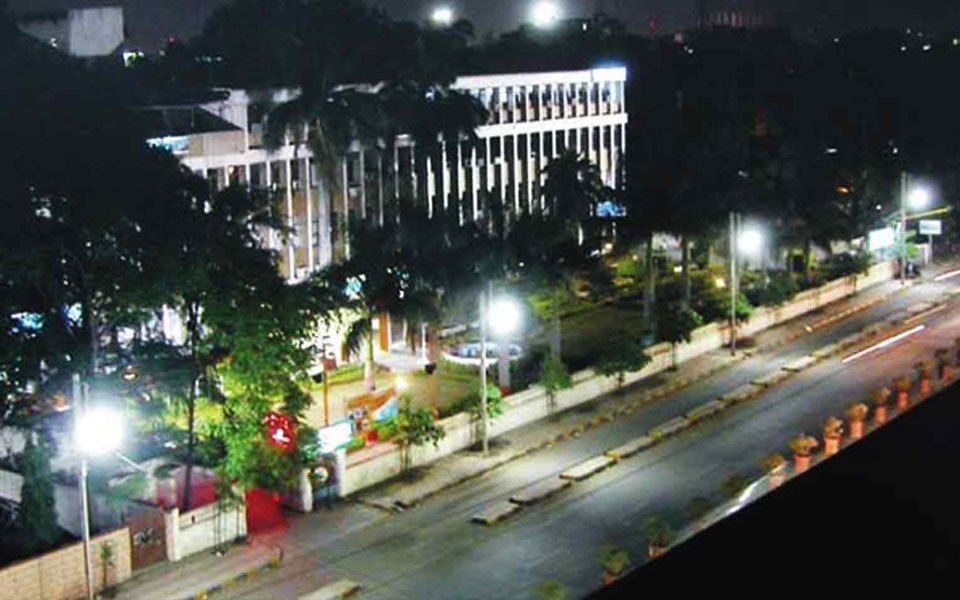
New Delhi: Indore was adjudged India's cleanest city for the third straight year in the central government's cleanliness survey announced on Wednesday.
The second and third positions in the category were grabbed by Ambikapur in Chhattisgarh and Mysuru in Karnataka. The Swachh Survekshan awards 2019 were conferred by President Ram Nath Kovind at a ceremony here.
While the New Delhi Municipal Council area was given the 'Cleanest Small City' award, Uttarakhand's Gauchar was adjudged the 'Best Ganga Town' in the central government survey.
The 'Cleanest Big City' award has been bagged by Ahmedabad, while Raipur is the 'Fastest Moving Big City'.
Ujjain has been the adjudged the 'Cleanest Medium City' and Mathura-Vrindavan bagged the tag of the 'Fastest Moving Medium Cities'.
Top-ranked cities received a statue of Mahatma Gandhi as a memento for their work towards cleanliness. Swachh Survekshan 2019 covered all urban local bodies in the country, making it the largest such cleanliness survey in the world.
"Mahatma Gandhi had played a pivotal role in spearheading the movement of cleanliness. I hope people will take inspiration from the just concluded Kumbh Mela and the level of cleanliness in it," Kovind said.
"There is a need to change the mindset of the people towards cleanliness as many people pay a lot of attention to personal hygiene and cleanliness at home but not to public cleanliness. The culture of cleanliness has to become an integral part of in the lives of the citizens," he added.
The President also said there is a need to include cleanliness in the curriculum of schools and higher educational institutions.
Union Housing and Urban Affairs Minister Hardeep Singh Puri said the urban transformation that is being attempted in the country is the most omprehensive and ambitious framework of planned urbanisation.
"The fact that urban sanitation had never before been brought to the centre-stage spoke of the common perception that cleaning urban India was an impossible task. These states and cities have risen to that challenge," Puri said.
"To ensure that the momentum and efforts are sustained, we are actively considering the idea of continuing this initiative by having periodic rankings based on data being provided by cities and citizens' feedback," he added.
Let the Truth be known. If you read VB and like VB, please be a VB Supporter and Help us deliver the Truth to one and all.
Austrian police detain suspect in case of rat poison found in baby food jars on supermarket shelves
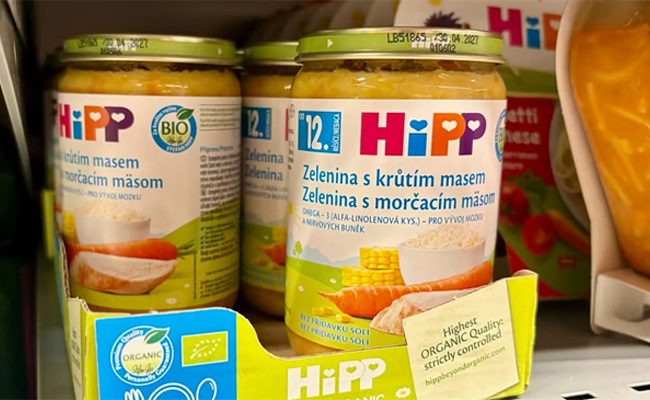
Vienna (AP): Police in eastern Austria say a 39-year-old suspect has been arrested after rat poison turned up in some HiPP baby food jars on supermarket shelves in central Europe.
HiPP, which recalled some of its baby food jars in Austria, Slovakia and the Czech Republic after the case came to light last month, said in a statement Saturday it was “greatly relieved” by the arrest, and would provide further updates as verified details come in.
The Burgenland State Criminal Police Office, under the direction of prosecutors, said a probe was launched after poison turned up in a baby food jar purchased at a supermarket in the city of Eisenstadt on April 18.
It said the suspect was being questioned, and that no further details would be immediately provided. The Burgenland public prosecutor's office has announced an investigation into suspected “intentional endangerment of the public.”
The Austrian Press Agency reported that an expert report on the toxicity of the poison was pending. A total of five tampered baby food jars were seized before they could be consumed, APA reported.
Authorities said previously they believe the tampering occurred in 190-gram (6.7-ounce) jars of baby food made with carrots and potatoes for 5-month-olds that were sold from SPAR supermarkets in Austria.
HiPP responded by recalling all of its baby food jars sold at SPAR supermarkets — which include SPAR, EUROSPAR, INTERSPAR and Maximarkt stores — in Austria as a precaution. Vendors in Slovakia and the Czech Republic also removed all of the brand's baby jars from sale.
The company said the recall was not due to any product or quality defect on its part, and said the jars left its facility in “perfect condition.”
Police said a customer at the time of the discovery had reported that a jar appeared to have been tampered with, but no one had consumed the baby food.