Insurance scheme for frontline health workers extended for six months
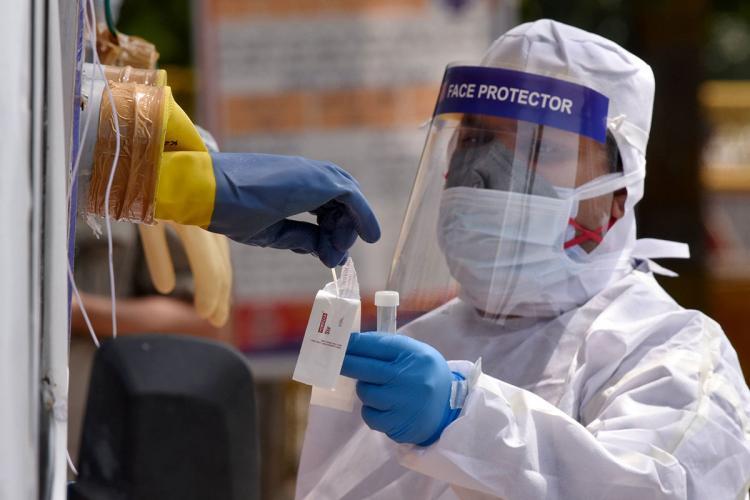
New Delhi, Apr 30: Insurance scheme for frontline health workers has been extended for another six months, the government said on Friday after Prime Minister Narendra Modi chaired a meeting to review the functioning of different empowered groups through video conference.
A statement said Modi has also asked officials to explore how volunteers from civil society can be utilised to lessen the pressure on healthcare sector by being drafted in non-specialised tasks, as the government looks to further step up its response to fighting COVID-19.
In a tweet, Modi said, "Chaired a meeting during which the working of the various empowered groups was reviewed. These empowered groups are looking into various aspects of COVID relief and helping people."
It was discussed in the meeting that NGOs could help to establish and maintain lines of communication between patients, their dependents and health care personnel, while ex-servicemen could be encouraged to handle call centres for communicating with people under home quarantine.
The central government should work in close coordination with the states to ensure that the poor get the benefits of free food-grain without any issues, the statement quoting Modi said.
Steps should be taken to expedite the settlement of pending insurance claims so that the dependents of the deceased are able to avail of benefits in time, the prime minister added.
The Empowered Group on Economic and Welfare measures made a presentation to Modi on steps like an extension of the PM Garib Kalyan Anna Yojana, under which over 80 crore people will get free ration for May and June, and it was noted that portability enabled due to 'One Nation One Ration Card' initiative has helped benefit more people.
The Empowered Group on coordinating with the private sector, NGOs and international organizations briefed the prime minister on how the government is working in active partnership with private sector, NGOs and international organisations.
Let the Truth be known. If you read VB and like VB, please be a VB Supporter and Help us deliver the Truth to one and all.
TN Assembly elections: Eight-month pregnant homemaker wins Thiru Vi Ka Nagar seat for TVK
Chennai (PTI): Before giving birth, she had already delivered a mandate—a symbol of hope for Thiru Vi Ka Nagar.
Echoing Delhi’s 2013 “common citizen” political churn associated with the rise of the Aam Aadmi Party (AAP), an eight-month-pregnant homemaker, M R Pallavi, has been elected as an MLA from Chennai’s Thiru Vi Ka Nagar constituency, emerging as one of the notable first-time faces of the Vijay-led TVK in the recently held Tamil Nadu Assembly elections.
In the narrow lanes of Thiru Vi Ka Nagar, a steady stream of media personnel has been making their way to Pallavi’s residence—a scene reminiscent of the result day in Delhi when journalists thronged the modest home of Rakhi Birla, who had won from Mangolpuri on an AAP ticket.
Pallavi, 36, a homemaker educated up to class XII, defeated the DMK candidate K S Ravichandran by a margin of 22,333 votes in the reserved Thiru Vi Ka Nagar Assembly constituency.
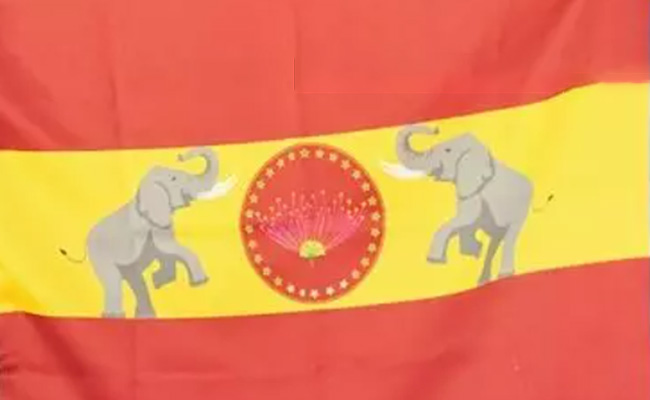
Tamilaga Vettri Kazhagam emerged as the single largest party by winning 108 seats, while DMK and AIADMK got 59 and 47, respectively.
Pallavi’s victory has drawn attention due to her personal circumstances. She campaigned extensively while eight months pregnant, going door-to-door to reach voters.
According to local accounts, she even fainted once during the campaign but continued her outreach.
She has not spoken to the media following her victory, as doctors have advised her to rest. Her husband, Rajesh, briefly recounted her campaign efforts.
A self-professed admirer of actor-turned-politician Vijay, Pallavi joined TVK soon after its formation and is now among its first-time legislators.
Doctors have advised her to be hospitalised around May 20, as she is expecting her second child. Ahead of that, voters in Thiru Vi Ka Nagar have entrusted her with representing them in the state Assembly.
Political observers say the rise of candidates like Pallavi signals a possible shift in Tamil Nadu’s political landscape, with voters backing a new party and candidates from non-traditional backgrounds.