IRCTC makes Aadhaar authentication mandatory for morning online train bookings
_vb_92.jpeg)
New Delhi: Indian Railways has introduced a new rule requiring Aadhaar authentication for online train ticket bookings made during morning hours on the IRCTC platform.
According to the Railways Ministry, the measure aims to ensure that reservation benefits reach genuine passengers and to curb misuse by touts and other fraudulent entities.
Effective October 28, 2025, only users whose Aadhaar details are verified will be allowed to book tickets between 8 AM and 10 AM on the first day of opening for reserved ticket bookings. This rule applies to both the IRCTC website and its mobile application.
The Ministry clarified that there will be no change in the timings for booking general reserved tickets through Passenger Reservation System (PRS) counters. It further stated that authorised ticketing agents will remain barred from booking tickets during the first 10 minutes of the opening of general reservation to prevent misuse.
This step follows a similar move made last month when the Railways made Aadhaar verification mandatory during the first 15 minutes of general reservation booking through IRCTC.
In addition, earlier this year, Aadhaar-based authentication was also made compulsory for booking Tatkal tickets through IRCTC. During the initial 30 minutes of the Tatkal booking window, authorised agents are not permitted to make bookings, a rule aimed at preventing large-scale bulk reservations.
Let the Truth be known. If you read VB and like VB, please be a VB Supporter and Help us deliver the Truth to one and all.
Lebanon appoints new representative for talks with Israel, rejects linkage to Iran
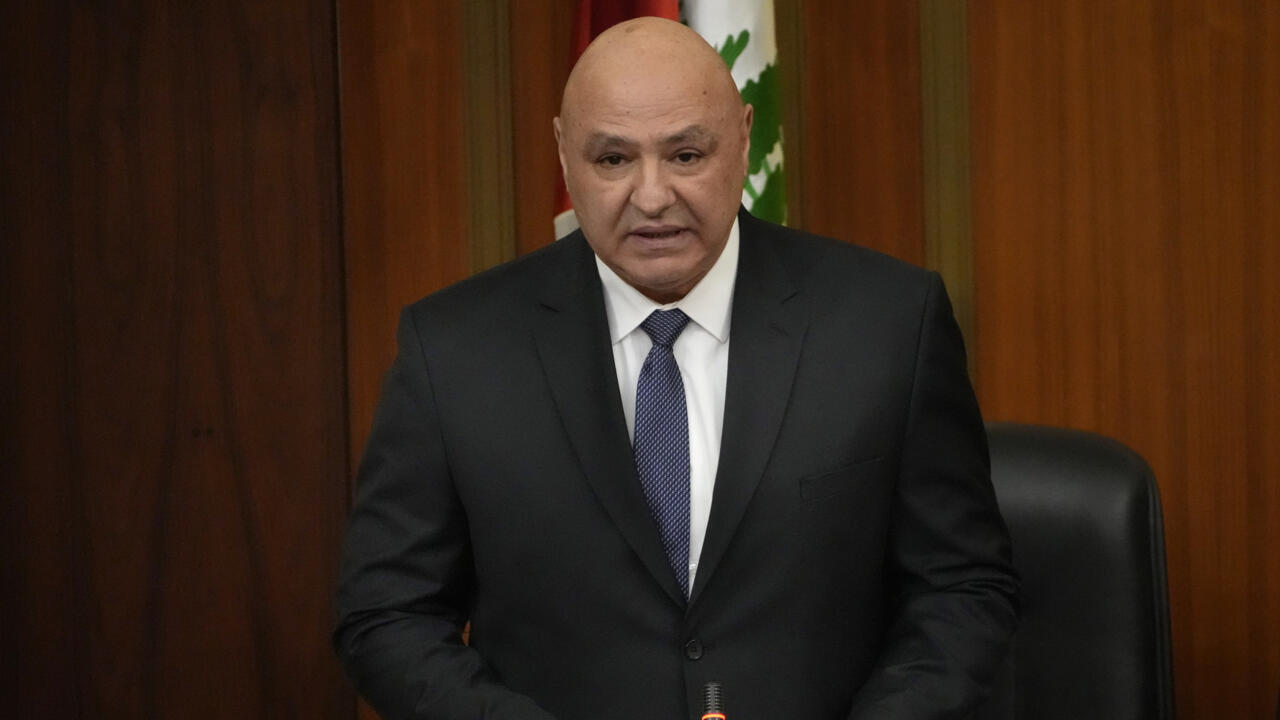
Beirut: Lebanon’s has moved to underline its independent position in ongoing regional developments, amid attempts to link the country to the broader conflict involving Iran, the United States and Israel.
President Joseph Aoun, while announcing the appointment of former US ambassador Simon Karam as Lebanon’s representative in talks with Israel, made it clear that Karam would be the sole representative for Lebanon and that there would be no substitute.
The move comes in response to what the Lebanese officials see as efforts by Iran to tie Lebanon’s situation to the wider regional conflict. Iran had indicated that there would be no ceasefire involving the US, Israel and Iran unless it also included a ceasefire in Lebanon.
Some groups, including Hezbollah and its supporters, had expressed support for linking the situations, citing concerns that the Lebanese government has limited leverage in negotiations with Israel. Lebanon is not formally a party to the conflict, and its army is considered weak.
However, others, including Prime Minister Nawaf Salam, have opposed this approach. They view Iran’s stance as an attempt to influence Lebanon’s internal affairs and see it as undermining the country’s sovereignty.
Officials backing the government’s position say the move is aimed at reaffirming Lebanon’s sovereignty and ensuring that decisions about peace and ceasefire within the country are not dictated externally.
They also see it as a safeguard, so that any breakdown in talks between the US, Israel and Iran does not automatically lead to renewed conflict in Lebanon.