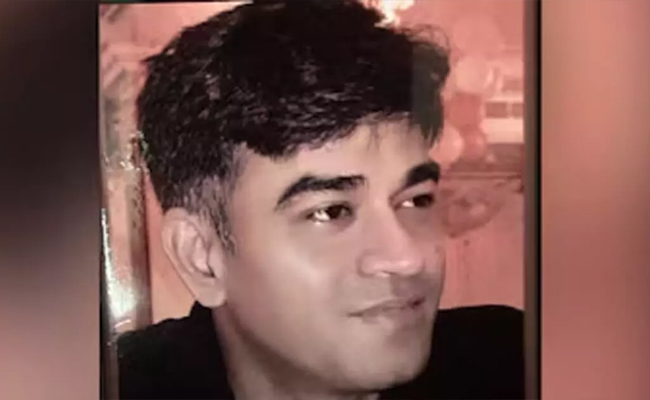
JK policeman given 'Shaurya Chakra' posthumously for exemplary courage
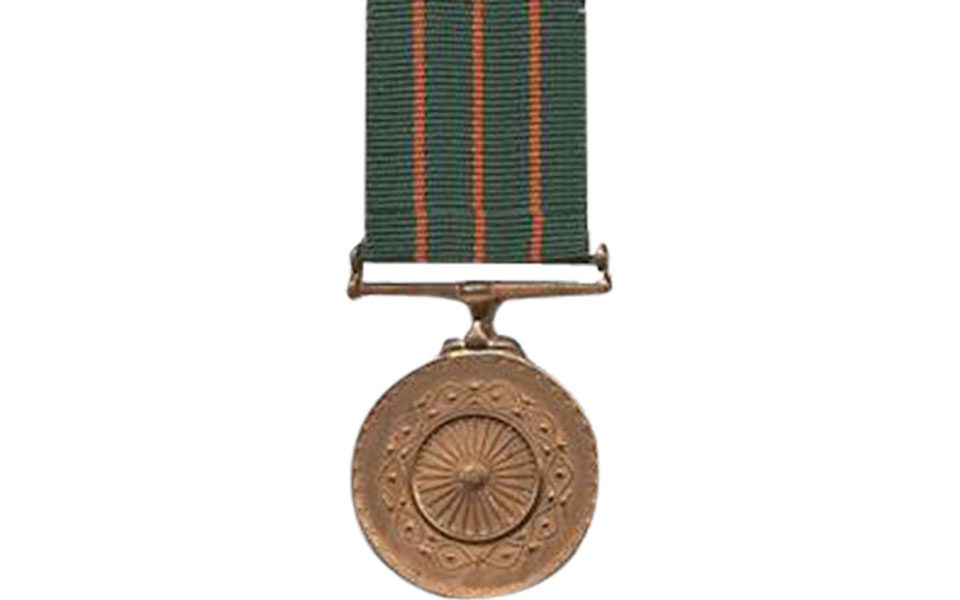
New Delhi, Oct 11: A Jammu and Kashmir Police constable has been awarded the 'Shaurya Chakra' posthumously for showing exemplary courage while fighting militants in the restive state, officials said.
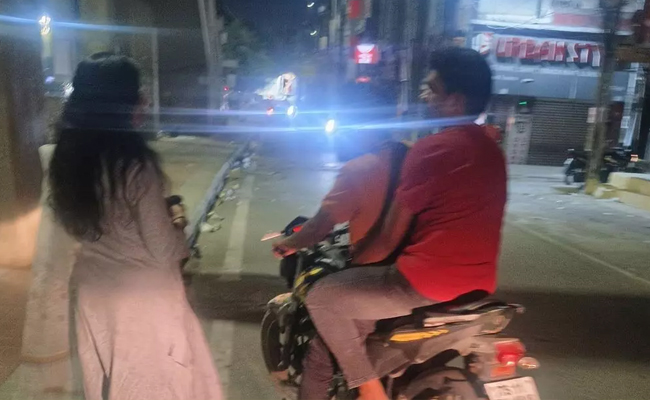
Manzoor Ahmed Naik, who was a resident of Uri in Baramulla district, laid down his life at Haffu Nigeenpora village of Tral in South Kashmir's Pulwama district on March 5, 2017 during a gunfight with militants.
Naik was a part of cordon and search operation in the area jointly conducted by the Jammu and Kashmir Police, the Rashtriya Rifles and the CRPF.
On the day, the 33-year-old policeman, who became a father soon after he lost his life, was trying to flush out militants holed up in a house, after escaping a volley of fire in his first attempt, a home ministry official said.
In his first attempt, Naik, undeterred by blazing fire from assault rifles, crawled in the pitch dark and placed explosives around the house. As he started retreating, he came under heavy fire, but he escaped unharmed. The explosives planted by him, though, brought down half of the house.
After a wait of two hours, when the exchange of firing stopped, Naik again volunteered to plant explosives to bring down what remained of the house. As he charged towards the house second time, he was hit by a volley of bullets from a militant.
Despite, his wounds, the constable placed the explosives on remaining part of the house before breathing his last, the official said.
During the encounter, two militants of Hizbul Mujahideen were killed and large quantity of arms and ammunition including 2 AK-47 Rifles were recovered from the possession of the killed militants.
Naik, without caring for his personal safety and besides being seriously wounded continued to fight till his last breath, another official said.
Honouring his exemplary bravery, Naik was awarded Shaurya Chakra posthumously by the government, the official said.
The Shaurya Chakra is the country's military award for valour, courage action and self-sacrifice. It is third in order of precedence of peacetime gallantry awards after the Ashoka Chakra and the Kirti Chakra.
Let the Truth be known. If you read VB and like VB, please be a VB Supporter and Help us deliver the Truth to one and all.
Sujit Nair raises concerns over speculation of DMK-AIADMK understanding to block TVK
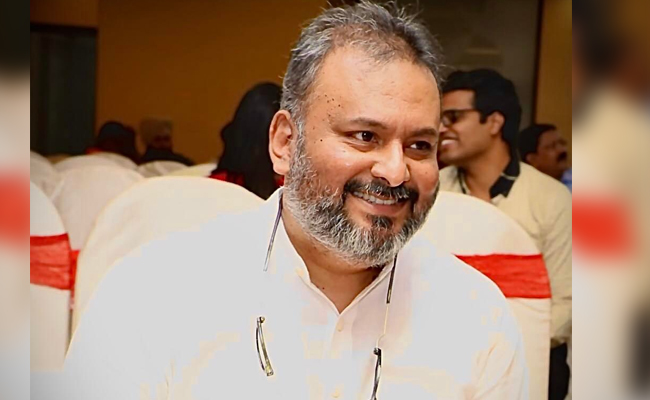
Chennai: Journalist and political commentator Sujit Nair has expressed concern over speculation that the Dravida Munnetra Kazhagam and the All India Anna Dravida Munnetra Kazhagam could explore a post-poll understanding to prevent Vijay-led Tamilaga Vettri Kazhagam from forming the government in Tamil Nadu.
In a social media post, Sujit Nair said the election verdict in Tamil Nadu reflected a clear public demand for political change and argued that the mandate should be respected irrespective of political preferences.
Referring to reports and political discussions surrounding a possible understanding between the DMK and AIADMK, he said he hoped such developments remained only speculative conversations and did not turn into reality.
Nair stated that if such an alliance were to take shape, it would raise serious questions about ideological politics in the country. He said TVK had emerged through a democratic electoral process and that the legitimacy to govern in a parliamentary democracy comes from the people’s verdict.
According to him, attempts to prevent an electoral winner from forming the government through unexpected political arrangements may be constitutionally valid, but many people could view them as politically opportunistic.
He further said that such a move could particularly affect the political image of the DMK, which has historically projected itself around ideology, social justice and opposition politics. Nair said that in ideological terms, the DMK appeared closer to TVK than to the AIADMK, and joining hands with its long-time political rival only to remain in power could weaken its broader political narrative.
He added that the same questions would apply to the AIADMK as well, as the party had spent decades positioning itself against the DMK and such an arrangement could create discomfort among its cadre and supporters.
Drawing a comparison with Maharashtra politics in 2019, Nair said he had expressed similar views when the Shiv Sena formed an alliance with the Indian National Congress and the Nationalist Congress Party after the Assembly elections.
He said post-poll alliances between long-standing political rivals often create a public perception that ideology and electoral mandates become secondary when political power equations come into play.
Nair also said such developments increase public cynicism towards politics and reinforce the belief among voters that ideology is often sidelined after elections.
He maintained that the Tamil Nadu verdict was emphatic and said respecting both the spirit and substance of the mandate was important for the credibility of democratic politics.