JNU accuses some students of forcibly entering library with personal books
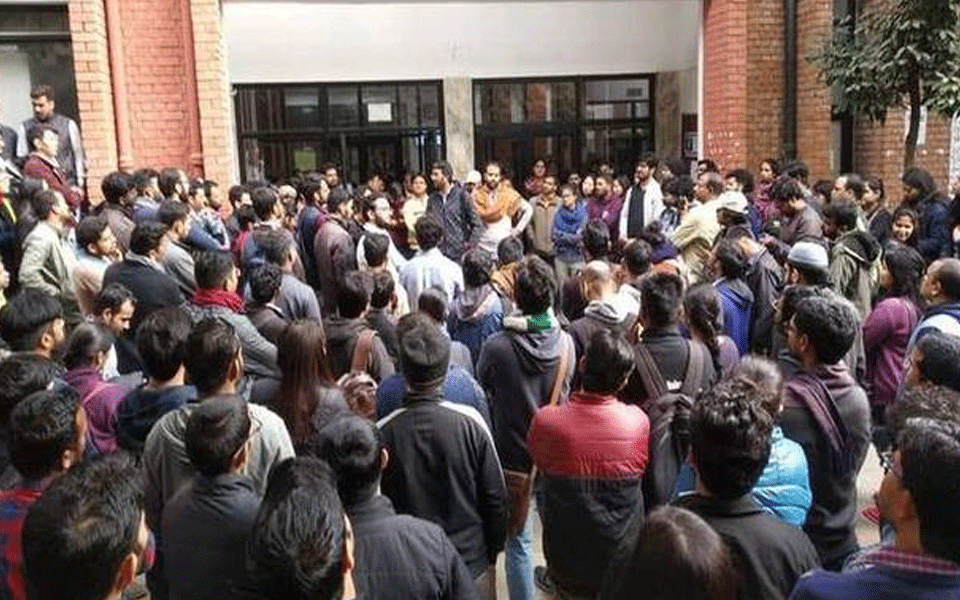
New Delhi, Dec 13: The Jawaharlal Nehru University accused some students of forcibly entering the library with personal books, which, according to the varsity, is against the rules, even as the students' union maintained that they peacefully reclaimed the library.
The Jawaharlal Nehru Students' Union had protested on Wednesday against the library fund cuts and closing of one of the reading halls of the library.
The executive council meeting was held on November 20 and it took a decision to temporarily close one reading room in Dr BR Ambedkar Central Library in view of the potential safety and security hazards, JNU registrar Pramod Kumar said.
"This decision was taken on the basis of the information that this room has only one door for entry and exit which is very narrow and no more than one person can enter/exit at a time.
"When this room was temporarily closed due to safety concerns to the library users, some students began a misinformation campaign stating that the university has withdrawn reading room facility to the students which is a blatant lie," he said.
Another "canard" that has been in circulation is that the JNU Library budget has been drastically cut by the administration, but no decision has been taken to curtail the annual budget of the library, he added.
"Some students in the afternoon of December 13, manhandled the security personnel at the library gate and forcibly entered the library with personal books. This is not only violation of rules, but also this incident may have led to loss/damage of library property," Kumar alleged.
Manhandling of security guards who were diligently performing their duties is highly condemnable, he said, adding an inquiry will be constituted and appropriate action will be taken against such students as per university rules.
"Closing of one room is only a temporary measure and all other facilities, including the reading rooms, are available for the use of JNU students and research scholars. The JNU administration has taken the step keeping in mind the utmost need to provide safety and security to the library users," he added.
Meanwhile, the JNUSU alleged that the JNU Security placed guards in numbers to stop students wanting to read and take their personal books in library hall.
"JNUSU along with JNU students requested security not to hamper aspirations of students to learn and study as JNU like universities are for everyone to read. JNUSU likes to salute the spirit of each and every student who peacefully reclaimed the library from this fascist ideology and read the book, 'The Resistible Rise of Adolf Hitler: A View from Modi's India', by Arindam Sen in central hall of B R Ambedkar," the JNUSU added.
JNUSU condemned the administration's "lies" and demanded that the vice-chancellor to come clean on library finances and why the JNU administration is afraid to allow personal books inside library which were allowed previously, they said.
Let the Truth be known. If you read VB and like VB, please be a VB Supporter and Help us deliver the Truth to one and all.
Bengal: Hundreds stage protest over 'threats' by TMC workers
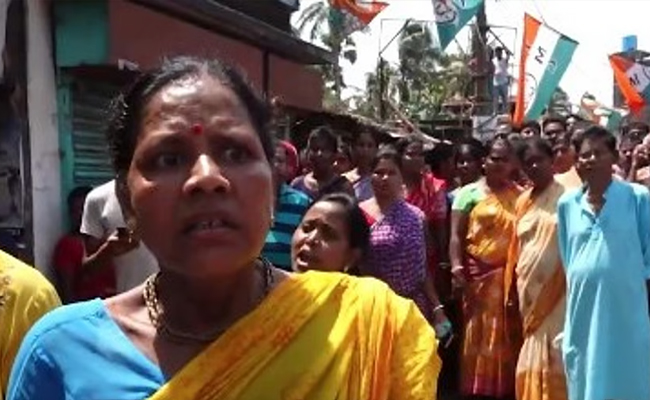
Kolkata (PTI): Demanding safety after counting of votes, hundreds of villagers staged a protest in Falta in West Bengal's South 24 Parganas district on Saturday, alleging they were receiving life threats from TMC workers in the area.
The protesters, many of them women and holding BJP flags, blocked the road in Hasimnagar village, alleging that local panchayat pradhan Israfil, a close associate of TMC candidate Jehangir Khan, issued them threats of attacks after poll results are announced.
The CRPF deputy commandant visited the area with a large force and assured the demonstrators of ensuring their safety.
Khan dismissed the allegations and said the women were "deployed" by the BJP to stage the demonstration and engineer the arrest of TMC functionaries in the area before the counting to "harm the morale of the TMC supporters".
"If the charges are proved, I am ready to face the law," he said.
Fatima Bibi, one of the protesters belonging to the BJP's Mahila Morcha, claimed Israfil and his men "have been visiting the area since April 30 and threatening us that there would be bloodshed from May 5. We demand CRPF remain in the area".
The CRPF official said, "We are here to instill confidence among the people with support of the local police, We have assured them of full security."
An Election Commission official said a report has been sought about the protests from the district administration.