Jodhpur: Child bride breaks free, lights up path for others
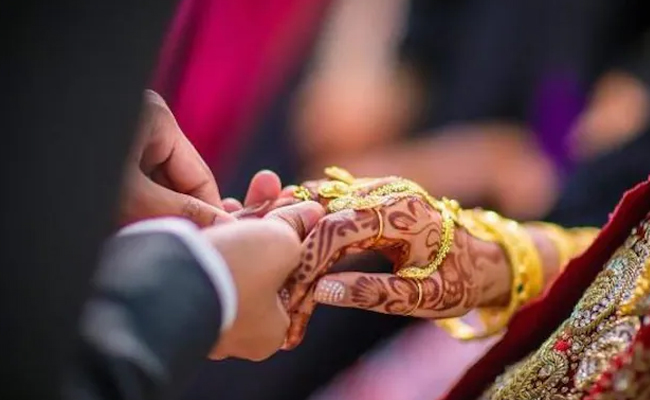
Jodhpur (PTI): A woman here reclaimed her life through a court battle breaking a decade-long union that was solemnised when she was just 12, paving the way for others like her who lost their childhood to a regressive custom.
On Thursday, Judge Varun Talwar of Family Court annulled the marriage of Khushboo (name changed), observing that child marriage undermines both the present and future of children and called for a collective societal action to eliminate it.
The marriage, solemnised in 2016 when Khushboo was about 12 years old, was declared void under the Prohibition of Child Marriage Act, 2006.
Belonging to the Bishnoi community, Khushboo recalled being a schoolgoer and having little understanding of what was happening around her as community elders took the lead in arranging the marriage.
Decisions, she said, were largely driven by customs, leaving her parents with limited say. It was only as she grew older that the implications of the marriage became clear to her; that she had been bound in a relationship she neither chose nor fully comprehended.
The turning point came a few years later, when pressure from her in-laws to begin conjugal life bore down on her.
Distressed yet determined not to continue in the union, she approached the police and was subsequently connected with social activist Kriti Bharti of Sarathi Trust.
"They initially hesitated, but seeing my resolve and convinced by my elder sister, who herself had been married as a child, they agreed," Khushboo said.
With Bharti's assistance, Khushboo filed a petition in the family court around 18 months ago, seeking annulment.
During the hearings, she presented documents establishing her age at the time of marriage, maintaining that the union had been conducted without her consent.
Her in-laws claimed that the marriage had taken place after both parties were adults, but lost the case.
Bharti said getting the groom's side to agree to annulment was far from easy.
"Who would so easily want to relinquish their right to the bride. It is engraved in customs as well as ego, and taking such cases in hands means humiliation and abuse," the activist said.
Khushboo's case sheds light on the role of certain customs that perpetuate child marriage, a blight that persists despite legal curbs.
The ceremony, Bharti said, was linked to a ritual called mauser (Mrityubhoj), which takes place following a death in the family. A part of the ritual is marrying off multiple children in a communal gathering.
Activists say such occasions often prioritise tradition over legality, with families fearing social boycott if they resist.
Meanwhile, Khushboo, who had dropped out after class 7, has resumed her studies and is preparing for her secondary examinations through open schooling.
"It is also my elder sister's wish that I complete my education and become self-reliant," she said.
Let the Truth be known. If you read VB and like VB, please be a VB Supporter and Help us deliver the Truth to one and all.
Lebanon appoints new representative for talks with Israel, rejects linkage to Iran
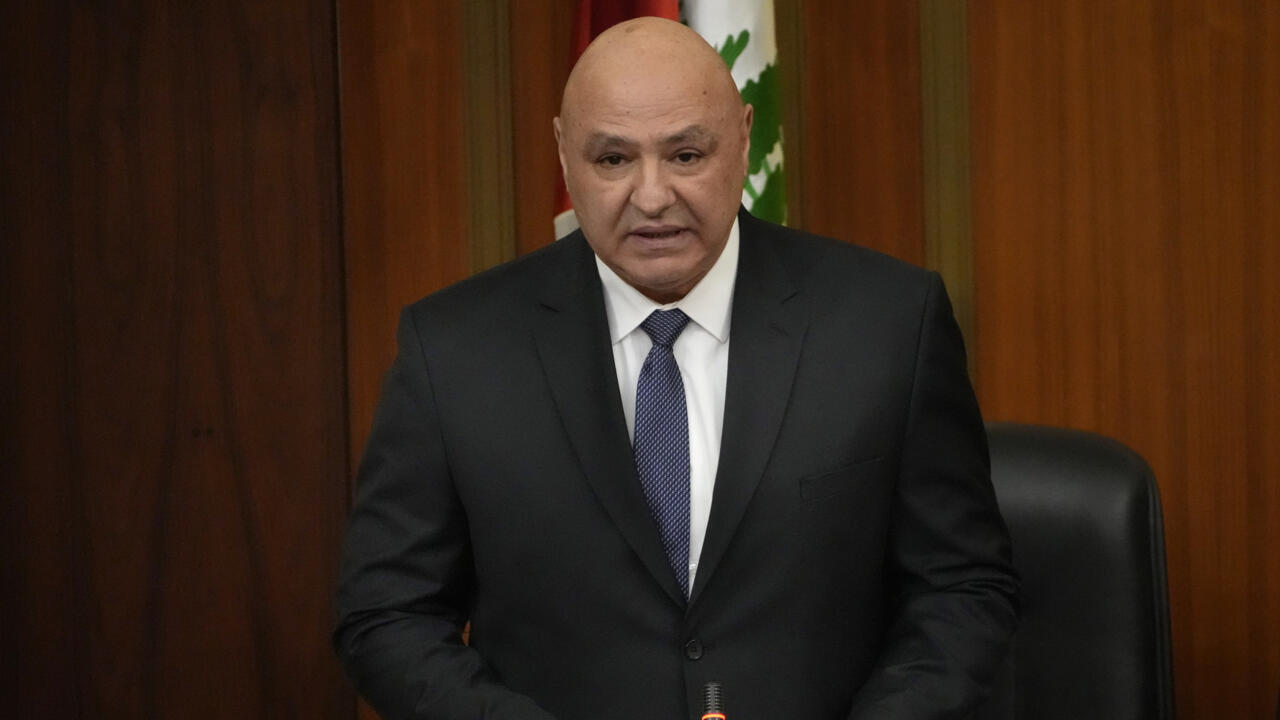
Beirut: Lebanon’s has moved to underline its independent position in ongoing regional developments, amid attempts to link the country to the broader conflict involving Iran, the United States and Israel.
President Joseph Aoun, while announcing the appointment of former US ambassador Simon Karam as Lebanon’s representative in talks with Israel, made it clear that Karam would be the sole representative for Lebanon and that there would be no substitute.
The move comes in response to what the Lebanese officials see as efforts by Iran to tie Lebanon’s situation to the wider regional conflict. Iran had indicated that there would be no ceasefire involving the US, Israel and Iran unless it also included a ceasefire in Lebanon.
Some groups, including Hezbollah and its supporters, had expressed support for linking the situations, citing concerns that the Lebanese government has limited leverage in negotiations with Israel. Lebanon is not formally a party to the conflict, and its army is considered weak.
However, others, including Prime Minister Nawaf Salam, have opposed this approach. They view Iran’s stance as an attempt to influence Lebanon’s internal affairs and see it as undermining the country’s sovereignty.
Officials backing the government’s position say the move is aimed at reaffirming Lebanon’s sovereignty and ensuring that decisions about peace and ceasefire within the country are not dictated externally.
They also see it as a safeguard, so that any breakdown in talks between the US, Israel and Iran does not automatically lead to renewed conflict in Lebanon.