Justice not privilege of few but right of every citizen: CJI Gavai
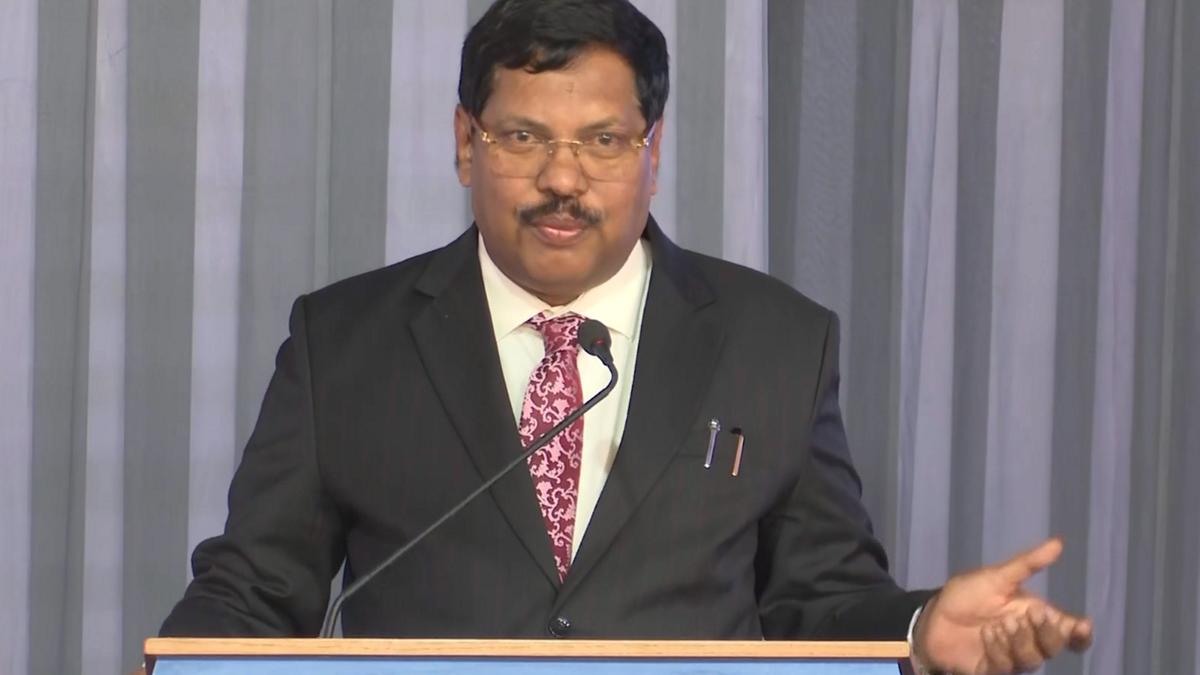
New Delhi (PTI): Justice is not a privilege of the few but a right of every citizen, Chief Justice of India B.R. Gavai said on Saturday, while emphasising that it is the duty of judges and lawyers to ensure that the light of justice reaches even the last person standing at the margins of society.
Addressing the inaugural function of a national conference on strengthening legal aid delivery mechanisms at the Supreme Court premises, Gavai said the true reward of the legal services movement does not lie in statistics or annual reports, but in the quiet gratitude and renewed faith of citizens who once felt invisible.
"Justice is not a privilege of the few but a right of every citizen, and that our role, as judges, lawyers, and officers of the court, is to ensure that the light of justice reaches even the last person standing at the margins of society," Gavai said.
Gavai said the real measure of success is not in numbers but in the trust of the common person, in the belief that someone, somewhere, is willing to stand by them. "And that is why our work must always be guided by the spirit that we are changing lives," he added.
"Even your presence for a single day, your visit to a village or a jail, your conversation with a person in distress, can be life-changing for someone who has never had anyone come for them before," he said.
At the event organised by NALSA (National Legal Services Authority) to mark its 30th year, the CJI said that legal aid must not be envisioned as a reactive system, but as a living movement.
"We must not wait for distress to knock on our doors. Instead, we must continuously reflect on how society is changing in the new challenges, the new forms of exclusion, and the emerging needs of the people we serve.
"The strength of a just society lies in our ability to foresee where injustice may arise, and to reach there before it does," he said.
Gavai said as India celebrates the 75th year of its Constitution, the legal aid movement must keep carrying forward the vision embedded in the Preamble: the assurance of justice, social, economic, and political.
"The Constitution's promise will be truly fulfilled only when every person, regardless of caste, gender, language, or circumstances, feels that the system of justice belongs to them," he said.
Prime Minister Narendra Modi was the chief guest at the event, which was also attended by Union Law Minister Arjun Ram Meghwal, Gavai's successor Surya Kant, as well as other judges from the Supreme Court and high courts.
Justice Vikram Nath delivered a vote of thanks and said the prime minister's presence has given renewed direction and energy to the collective endeavour to make access to justice efficient, inclusive, and technology-driven.
NALSA was constituted under the Legal Services Authorities Act, 1987, to provide free legal services to the weaker sections of society and to organise Lok Adalats for amicable settlement of disputes.
The CJI acts as its patron-in-chief, and the next senior-most Supreme Court judge is the Executive Chairman.
Let the Truth be known. If you read VB and like VB, please be a VB Supporter and Help us deliver the Truth to one and all.
Lebanon appoints new representative for talks with Israel, rejects linkage to Iran
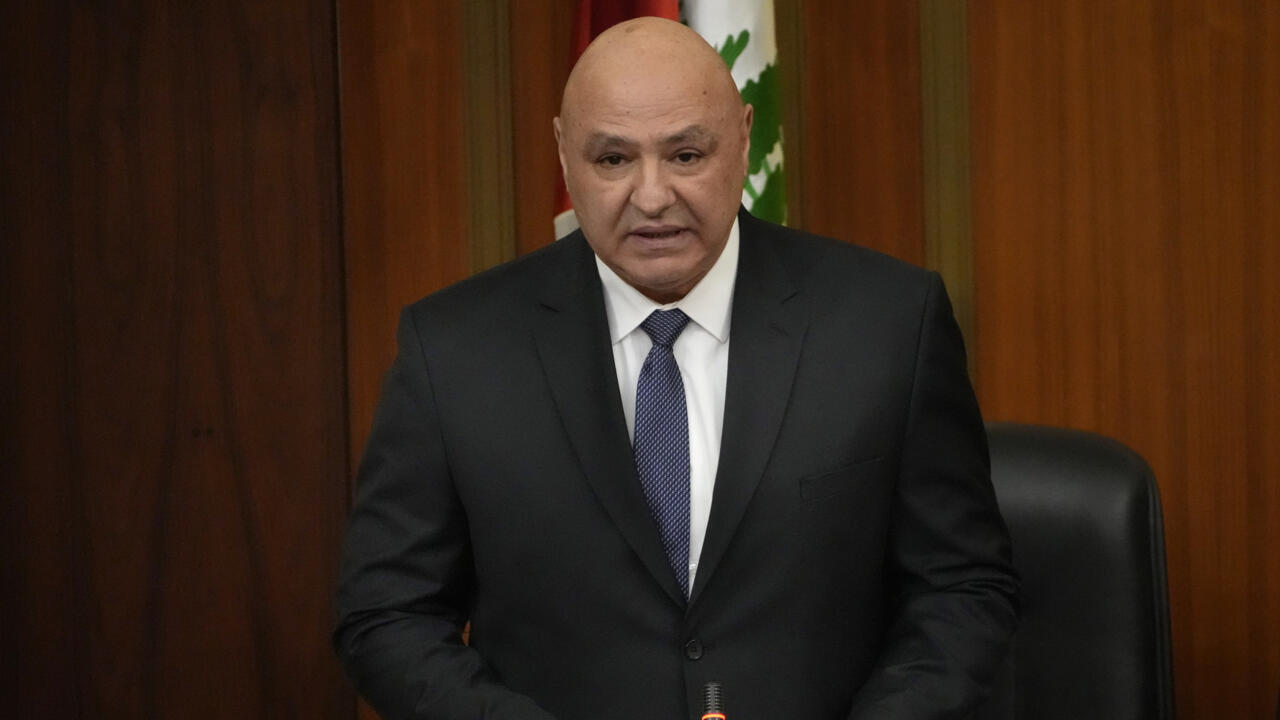
Beirut: Lebanon’s has moved to underline its independent position in ongoing regional developments, amid attempts to link the country to the broader conflict involving Iran, the United States and Israel.
President Joseph Aoun, while announcing the appointment of former US ambassador Simon Karam as Lebanon’s representative in talks with Israel, made it clear that Karam would be the sole representative for Lebanon and that there would be no substitute.
The move comes in response to what the Lebanese officials see as efforts by Iran to tie Lebanon’s situation to the wider regional conflict. Iran had indicated that there would be no ceasefire involving the US, Israel and Iran unless it also included a ceasefire in Lebanon.
Some groups, including Hezbollah and its supporters, had expressed support for linking the situations, citing concerns that the Lebanese government has limited leverage in negotiations with Israel. Lebanon is not formally a party to the conflict, and its army is considered weak.
However, others, including Prime Minister Nawaf Salam, have opposed this approach. They view Iran’s stance as an attempt to influence Lebanon’s internal affairs and see it as undermining the country’s sovereignty.
Officials backing the government’s position say the move is aimed at reaffirming Lebanon’s sovereignty and ensuring that decisions about peace and ceasefire within the country are not dictated externally.
They also see it as a safeguard, so that any breakdown in talks between the US, Israel and Iran does not automatically lead to renewed conflict in Lebanon.