Karnataka: Over 1,500 government schools yet to form SDMCs
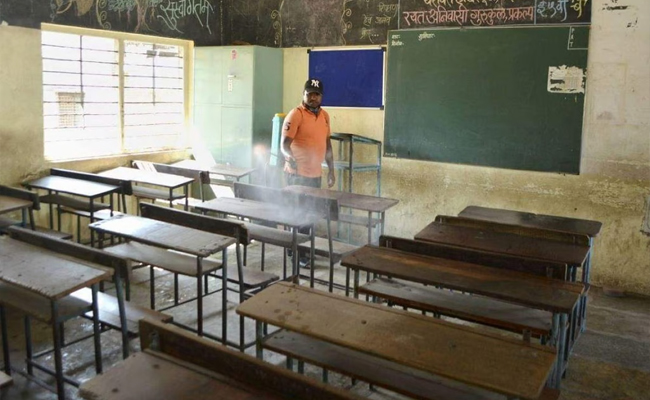
Bengaluru: In a concerning development, 1,581 government schools across Karnataka have yet to constitute School Development and Monitoring Committees (SDMC).
This issue came to light during a recent review conducted by Samagra Shikshana Karnataka (SSK) while integrating schools into the Vidya Vaahini portal for updates on education and school-related initiatives in the state, as reported by Deccan Herald on Sunday.
A reminder has been issued by SSK to the Deputy Directors of the School Education Department, calling for urgent steps to establish SDMCs in all schools where they are currently absent.
“During the 2025-26 Project Approval Board meeting, it was decided to confer an award on the three best SDMCs in each block. As it is observed that 1,500 plus schools have not even constituted the SDMCs, we have directed the Deputy Directors to take necessary action,” DH quoted a senior official of SSK as saying.
The official further questioned how such schools were managing government schemes that mandate the involvement of SDMCs. “What surprised us was how those schools were managing the government schemes? Some schemes cannot be implemented without SDMCs,” the official added.
Meanwhile, the government has also taken initiatives to encourage SDMCs. The best SDMCs from each block receive Rs 50,000 for lower primary schools, Rs 75,000 for higher primary, and Rs 1 lakh for high schools.
Let the Truth be known. If you read VB and like VB, please be a VB Supporter and Help us deliver the Truth to one and all.
4 workers die after being buried under coal slurry in Jharkhand's Dhanbad
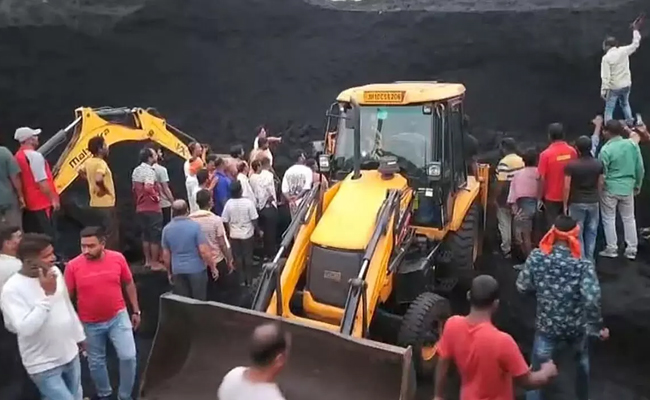
Dhanbad (Jharkhand) (PTI): At least four workers died after being buried under coal slurry in Jharkhand's Dhanbad district on Saturday, a police official said.
The incident took place at Moonidih coal washery in the command area of Bharat Coking Coal Limited (BCCL).
"Bodies of all four workers were dug out of debris during a rescue operation," Putki police station in-charge Waqar Hussain told PTI.
The incident took place when coal slurry was being loaded into trucks by workers, during which a large chunk of slurry fell and trapped several workers underneath, officials said.
The deceased have been identified as Manik Bauri, Dinesh Bauri, Deepak Bauri, and Hemlal Gope.
Meanwhile, the family members of the deceased and local villagers placed the bodies in front of the washery gate and began a protest.
They demanded compensation, jobs for dependents and action against those responsible for the incident.
Police and administration officials are trying to pacify the protesters, an official said.