Karur stampede victim’s kin says plea for CBI probe filed without family’s knowledge: Report
Chennai: A fresh controversy has emerged in the wake of the Supreme Court’s decision to order a Central Bureau of Investigation (CBI) probe into the Karur stampede, with two bereaved families claiming that petitions seeking the investigation were filed in their names without their knowledge or consent, The News Minute reported on Monday.
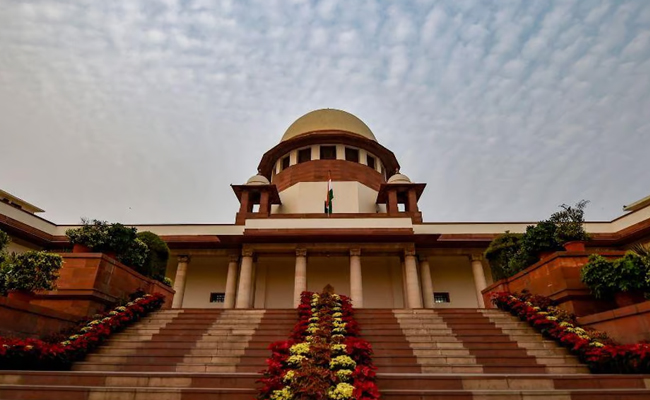
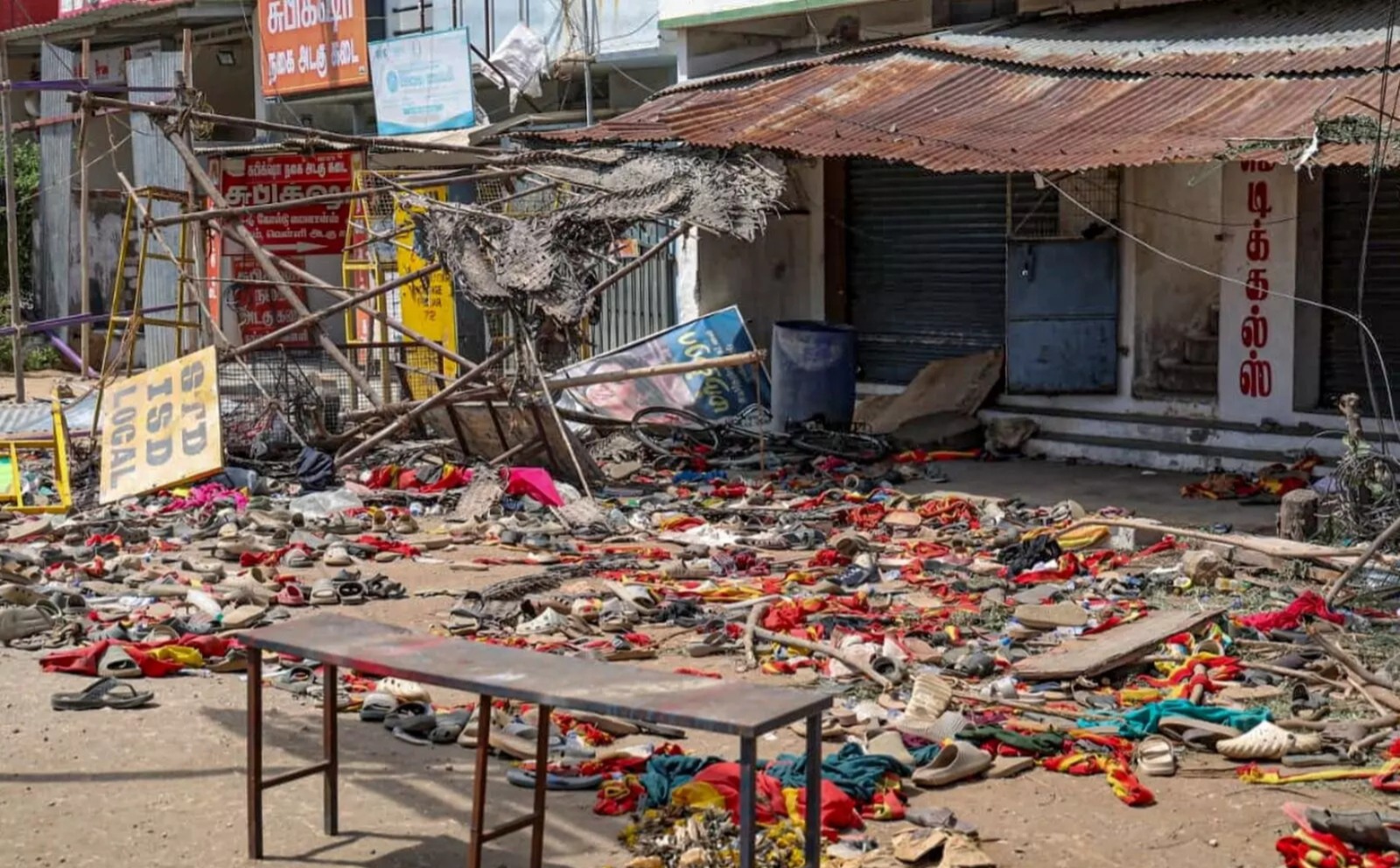
The Supreme Court on October 13 directed the Central Bureau of Investigation (CBI) to investigate the Karur stampede, which took place on September 27, 2025, during a rally by actor-politician Vijay’s party, Tamilaga Vettri Kazhagam (TVK). The incident claimed 41 lives and injured nearly 60 others.
One of the petitions before the Supreme Court was filed by Aadhav Arjuna, TVK’s general secretary (election strategy), seeking to quash the Madras High Court’s order for a Special Investigation Team (SIT) probe into the incident.
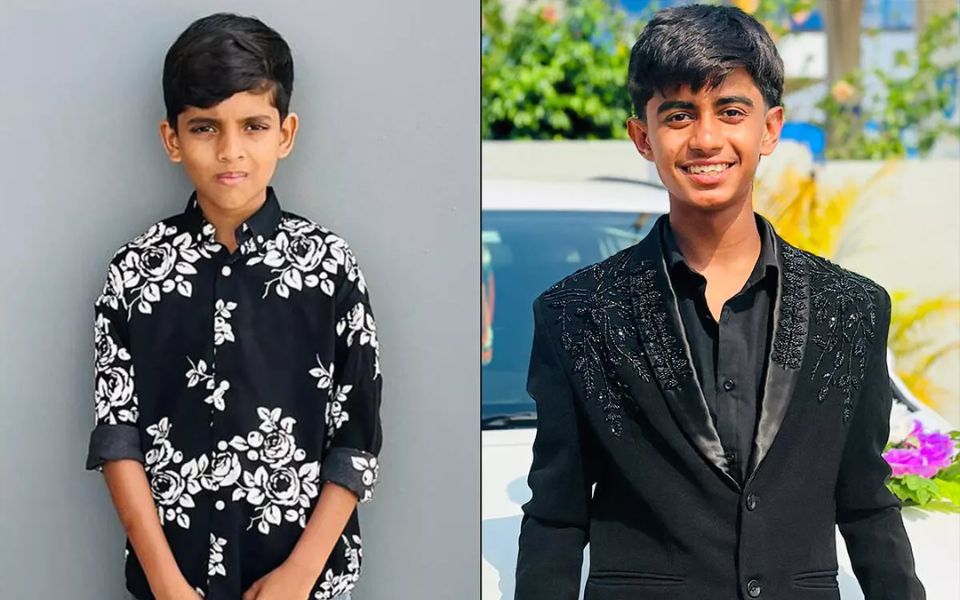
Two other petitions, demanding a CBI inquiry, were filed by P. Panneerselvam from Alamarathupatti, who lost his nine-year-old son, Prathik, and P. Selvaraj from Emur Puthur, who lost his wife S. Chandra.
However, in a surprising turn, Chandru, the maternal uncle of Prathik, denied the family's involvement in the petition. He claimed that Panneerselvam had abandoned the family when the child was just one-year-old and had not been in contact for the past eight years.
“My sister Sharmila spoke to Vijay in a video call and he paid his condolences. We did not file any petition in the Supreme Court. We came to know about Panneerselvam’s petition only after police asked about it a few days ago. We have not spoken to Panneerselvam for the past eight years, and he did not attend the funeral as well. We are still in deep grief after losing our child and have no interest in pursuing justice or legal matters”, TNM quoted Chandru as saying.
In a similar claim, Selvaraj, the other reported petitioner, told the media that he had no knowledge of filing a petition in the Supreme Court. “I don’t know the advocate at all. All India Anna Dravida Munnetra Kazhagam (AIADMK) Emur Panchayat Council leader Balakrishnan asked me to sign some papers. I signed them, but I told him not to misuse them. He said the signatures were for getting compensation and a government job for my elder son. I don’t know anything about this case,” said Selvaraj, a daily wage worker.
VCK Balakrishnan, an advocate and AIADMK functionary, admitted to assisting with the petition but denied any misconduct. “When I was the panchayat president, Selvaraj’s brother Murugesan was a ward member. He approached me seeking help to find out the real reason behind Chandra’s death. That’s why the petition was filed in Selvaraj’s name,” he explained.
“Now, due to pressure, Selvaraj is saying on social media that I deceived him with false promises of a job. But when I took his signature, his brother Murugesan was also present,” TNM quoted Balakrishnan as saying.
Meanwhile, a bench comprising Justices J.K. Maheshwari and N.V. Anjaria said the Karur stampede “has a bearing on the fundamental rights of citizens and has shaken the national conscience,” emphasising that a fair and impartial investigation is warranted.
The Court also mentioned that citizens are entitled to a thorough probe and that there cannot be any doubt about the need for an unbiased investigation.
Let the Truth be known. If you read VB and like VB, please be a VB Supporter and Help us deliver the Truth to one and all.
UP: Teen girl found hanging from tree; locals claim rape, murder
Pratapgarh (UP) (PTI): The body of a 19-year-old woman was found hanging from a tree in a village under the Manikpur police station area here on Sunday morning, police said.
According to the police, the woman had gone to sleep after dinner on Saturday night but was found hanging in an orchard nearly 400 metres away from her home the following morning.
Additional Superintendent of Police (West), Brijnandan Rai, stated that the circumstances suggest foul play.
"The victim's slippers and undergarments were recovered 50 metres away from the spot where the body was found. There are visible injury marks on her body," Rai said.
While locals have alleged that the woman was murdered after being raped, the ASP said that it is "prima facie a case of murder."
"Based on the complaint filed by the victim's brother, a case of murder has been registered against unidentified persons. The body has been sent for a post-mortem examination," the officer added.
Police further clarified that if the medical report confirms sexual assault, relevant sections will be added to the FIR.
Forensic experts and police teams have collected evidence from the spot and are investigating the matter from all angles.