Kashmiri students face harassment, social isolation after ‘White-Collar Terror’ arrests: Report
_vb_11.jpeg)
Srinagar: In a concerning development, Kashmiri students studying outside the Union Territory are reporting increasing harassment, social isolation and suspicion following the arrests linked to “white-collar terror module” and the recent Red Fort blast.
Multiple accounts from students across northern Indian states shared that the atmosphere around them changed abruptly after the arrest of two Kashmiri doctors accused of having ties to the alleged module, reported by Deccan Herald on Wednesday.
What began as security checks, students said, has now seeped into daily discrimination and suspicion.
Some students shared that they were refused basic services such as groceries at local shops. Others reported that classmates made insinuations about their families having terror links after the Delhi explosion. Many described a shift in how landlords, neighbours and peers treated them, marked by mistrust, side-glances,and, at times, direct intimidation, added the report.
In Faridabad, more than 2,000 Kashmiri students living in rented accommodations were recently questioned by local police to verify any possible connection to the module. Students said that although the checks were presented as routine security measures, the scale and tone of the exercise left them feeling targeted and vulnerable.
Political leaders and civil society groups in Jammu and Kashmir have urged the Centre to ensure that counter-terror investigations do not lead to blanket suspicion of Kashmiri youth. Chief Minister Omar Abdullah appealed to the Union government and security agencies on Tuesday to distinguish clearly between pursuing those responsible for the blast and stereotyping an entire community. “The guilty must face the harshest legal consequences but innocent students and ordinary citizens must not be made collateral damage in the process,” he said.
The J&K Students Association also issued a statement saying that Kashmiri students in several northern states are being subjected to profiling, sudden evictions, unexplained interrogations and intimidation linked to the Red Fort incident. Calling the situation deeply troubling, the Association urged Prime Minister Narendra Modi to step in to safeguard the rights, dignity and safety of Kashmiri students studying outside the Union Territory.
Let the Truth be known. If you read VB and like VB, please be a VB Supporter and Help us deliver the Truth to one and all.
Will vacate one of two assembly seats won in 10 days: BJP''s Suvendu
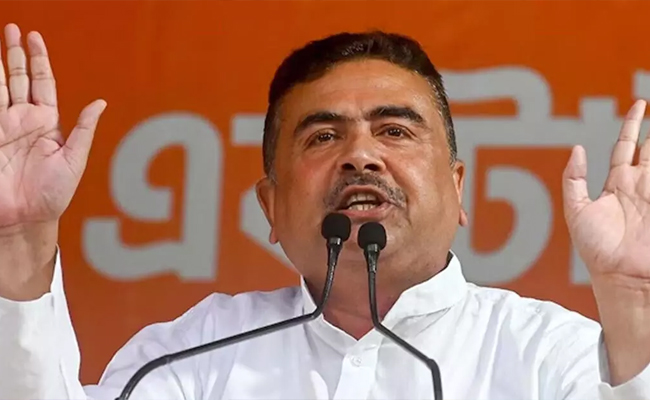
Kolkata (PTI): BJP leader Suvendu Adhikari, who defeated West Bengal Chief Minister Mamata Banerjee in Bhabanipur and secured Nandigram for three times in a row in the recent assembly polls, said on Wednesday that he would vacate one of the two constituencies within 10 days.
Adhikari also asserted that the party's central leadership would decide which constituency he would retain.
"I will vacate one seat within 10 days. The party will decide which one I retain. I will not forget my responsibility towards the people of Bhabanipur and Nandigram," he said.
Adhikari on Monday defeated Banerjee in Bhabanipur by over 15,000 votes, puncturing what was long seen as her safest political refuge and delivering a decisive psychological blow to the TMC, amid a sweeping BJP surge across West Bengal.
Addressing party workers and supporters in Nandigram in Purba Medinipur district, the BJP leader appealed to them not to take out victory processions immediately and instead maintain peace.
"Do not take out victory rallies now. Maintain peace and discipline. Celebrate after May 9, after taking permission," he told party workers.
State BJP president Samik Bhattacharya on Wednesday announced that the oath-taking ceremony of the new government will be held on May 9 at Brigade Parade Ground.
Referring to alleged attacks on BJP workers during the TMC regime, Adhikari said he would not forget the “atrocities" faced by them and assured them of taking appropriate action against perpetrators through legal processes.
"I was part of the 2011 ‘poribartan’ (change), and now I am part of the real change. I offer my gratitude to the people of Nandigram," Adhikari said.
He was referring to the TMC's victory in 2011 when the Mamata Banerjee party dismantled the 34-year Left Front regime in the state.
Adhikari offered prayers at a Hanuman statue in Nandigram and remembered the BJP workers, who had died in political violence.
"We will work in such a way that the BJP government in Bengal stays for 100 years," he said, expressing hope that the BJP’s vote share in the state would rise from the current 46 per cent to 60 per cent in future elections.
The BJP leader also assured residents of Nandigram of improved drinking water supply and better hospital and education infrastructure.