Kerala Assembly polls: LDF ministers, top BJP, Congress leaders file nominations
_vb_09.jpeg)
Thiruvananthapuram (PTI): Kerala state ministers, top Congress and BJP leaders filed their nomination papers on Saturday for the upcoming Assembly polls.
Several state ministers, including P Rajeev, V Sivankutty, R Bindu and P A Mohamed Riyas as well as CPI(M) leaders K K Shylaja and Kadakampally Surendran were those from the LDF who filed their nominations, from Kalamassery, Nemom, Irinjalakuda, Beypore, Peravur and Kazhakootam constituencies, respectively.
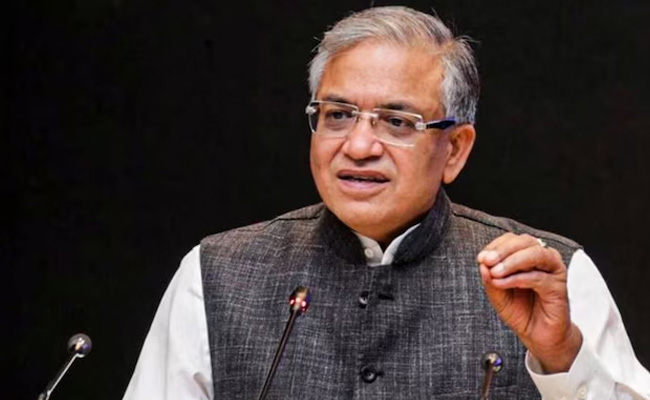
BJP state president Rajeev Chandrasekhar (Nemom), former Union Minister of State V Muraleedharan (Kazhakootam) and several other candidates of the saffron party filed their nominations accompanied by chief ministers from party-ruled states like Rajasthan and Gujarat.
Rajasthan Chief Minister Bhajanlal Sharma accompanied Chandrasekhar and Muraleedharan when they filed their nominations, while the party candidate from Thrissur, Padmaja Venugopal, was accompanied by Gujarat CM Bhupendra Patel.
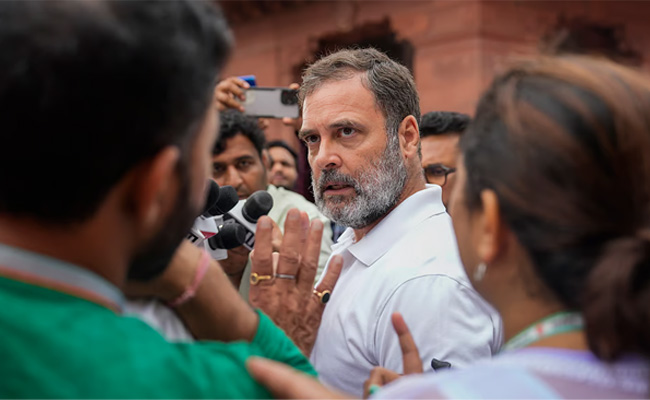
From the Congress, KPCC chief Sunny Joseph, senior party leader K Muraleedharan, actor Ramesh Pisharody and former MP Remya Haridas filed their papers during the day, from Peravur, Vattiyoorkavu, Palakkad and Chirayinkeezhu assembly seats, respectively.
Former CPI(M) leader G Sudhakaran, who left the party and is now backed by the UDF, filed his nomination from the Ambalapuzha constituency.
Several leaders and candidates of the various parties conducted road shows and rallies on their way to filing the nomination papers.
According to the Election Commission of India (ECI), around 362 candidates have filed their nominations since March 19. The last date for filing nominations is March 23.
Elections will be held for 140 Assembly segments on April 9, with the counting of votes slated for May 4.
Let the Truth be known. If you read VB and like VB, please be a VB Supporter and Help us deliver the Truth to one and all.
Lebanon appoints new representative for talks with Israel, rejects linkage to Iran
Beirut: Lebanon’s has moved to underline its independent position in ongoing regional developments, amid attempts to link the country to the broader conflict involving Iran, the United States and Israel.
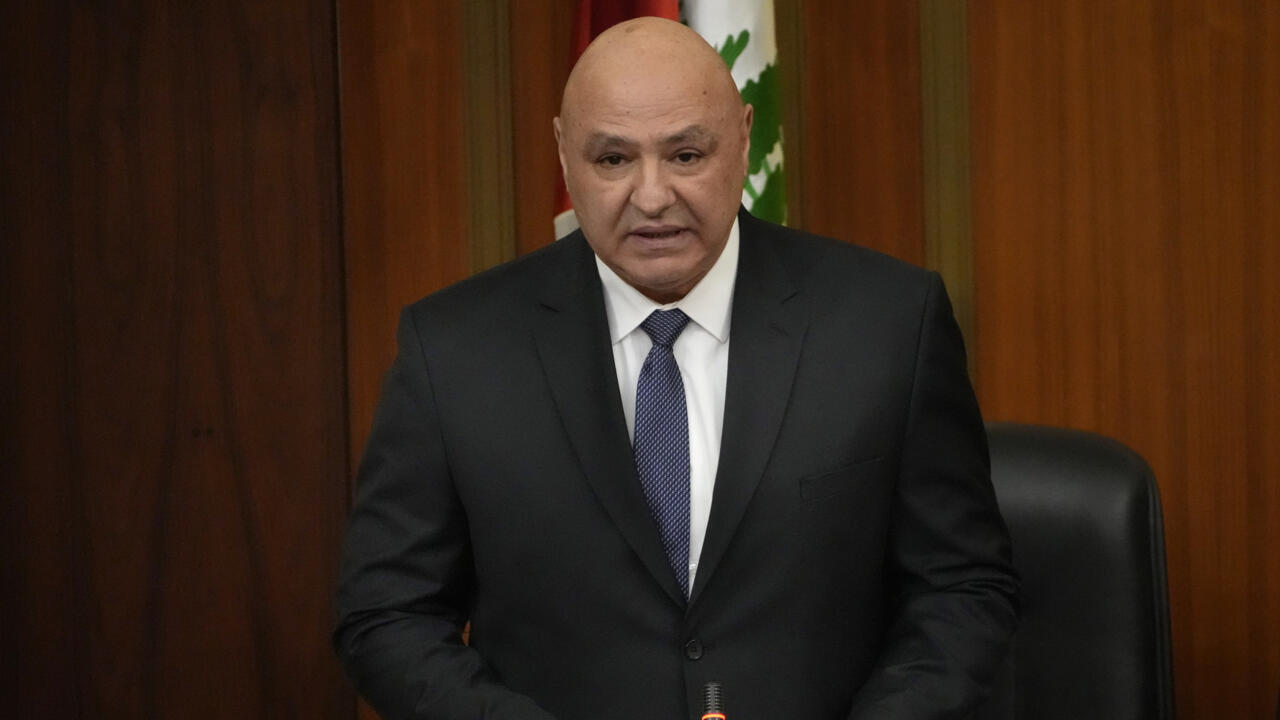
President Joseph Aoun, while announcing the appointment of former US ambassador Simon Karam as Lebanon’s representative in talks with Israel, made it clear that Karam would be the sole representative for Lebanon and that there would be no substitute.
The move comes in response to what the Lebanese officials see as efforts by Iran to tie Lebanon’s situation to the wider regional conflict. Iran had indicated that there would be no ceasefire involving the US, Israel and Iran unless it also included a ceasefire in Lebanon.
Some groups, including Hezbollah and its supporters, had expressed support for linking the situations, citing concerns that the Lebanese government has limited leverage in negotiations with Israel. Lebanon is not formally a party to the conflict, and its army is considered weak.
However, others, including Prime Minister Nawaf Salam, have opposed this approach. They view Iran’s stance as an attempt to influence Lebanon’s internal affairs and see it as undermining the country’s sovereignty.
Officials backing the government’s position say the move is aimed at reaffirming Lebanon’s sovereignty and ensuring that decisions about peace and ceasefire within the country are not dictated externally.
They also see it as a safeguard, so that any breakdown in talks between the US, Israel and Iran does not automatically lead to renewed conflict in Lebanon.