Kerala BJP launches ‘Muslim Outreach Programme’,says it’s about trust, not votes
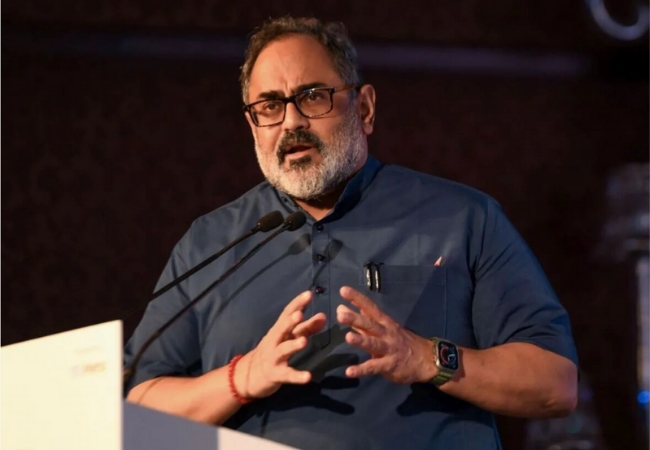
Thiruvananthapuram: The Bharatiya Janata Party (BJP) in Kerala has announced the launch of a “Muslim Outreach Programme,” which the party claims is intended to build trust with the Muslim community rather than secure votes ahead of the state’s upcoming polls.
State BJP president Rajeev Chandrasekhar, addressing a press conference in Thiruvananthapuram on Friday, said the initiative aims to “demolish the lies” that the party is anti-Muslim. The campaign will be led by senior BJP leader and state vice president Abdul Salam.
“This is not about politics or votes. It is about building trust and correcting the false narrative that has been spread for the past 20 to 25 years,” Chandrasekhar said, adding that the BJP’s vision under Prime Minister Narendra Modi is based on the Constitution and the principle of “Sabka Saath, Sabka Vikas.”
The party chief said BJP workers will visit Muslim households across Kerala to distribute leaflets outlining the party’s development agenda and urging people “not to be misled by the propaganda of the Congress and CPI(M).”
Chandrasekhar asserted that the Modi government has done more for the Muslim community in the past eleven years than any previous administration in Indian history and expressed confidence in replicating the same progress in Kerala.
“This is not about votes but about creating a ‘Vikasit Keralam’ where every person—irrespective of caste, community or religion—gets equal opportunities for development, jobs, and progress,” he said.
However, observers note that the announcement comes just ahead of the local body elections in the state, raising questions about the timing and political motives behind the outreach.
Let the Truth be known. If you read VB and like VB, please be a VB Supporter and Help us deliver the Truth to one and all.
Lebanon appoints new representative for talks with Israel, rejects linkage to Iran
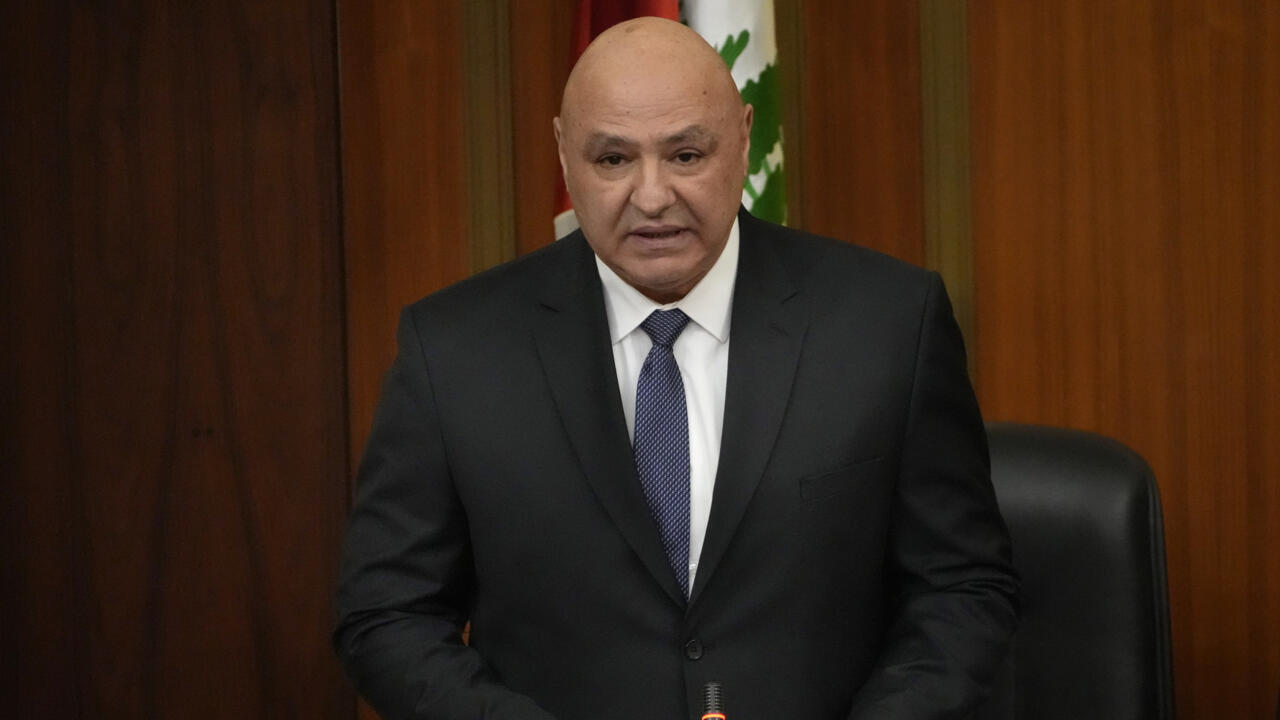
Beirut: Lebanon’s has moved to underline its independent position in ongoing regional developments, amid attempts to link the country to the broader conflict involving Iran, the United States and Israel.
President Joseph Aoun, while announcing the appointment of former US ambassador Simon Karam as Lebanon’s representative in talks with Israel, made it clear that Karam would be the sole representative for Lebanon and that there would be no substitute.
The move comes in response to what the Lebanese officials see as efforts by Iran to tie Lebanon’s situation to the wider regional conflict. Iran had indicated that there would be no ceasefire involving the US, Israel and Iran unless it also included a ceasefire in Lebanon.
Some groups, including Hezbollah and its supporters, had expressed support for linking the situations, citing concerns that the Lebanese government has limited leverage in negotiations with Israel. Lebanon is not formally a party to the conflict, and its army is considered weak.
However, others, including Prime Minister Nawaf Salam, have opposed this approach. They view Iran’s stance as an attempt to influence Lebanon’s internal affairs and see it as undermining the country’s sovereignty.
Officials backing the government’s position say the move is aimed at reaffirming Lebanon’s sovereignty and ensuring that decisions about peace and ceasefire within the country are not dictated externally.
They also see it as a safeguard, so that any breakdown in talks between the US, Israel and Iran does not automatically lead to renewed conflict in Lebanon.