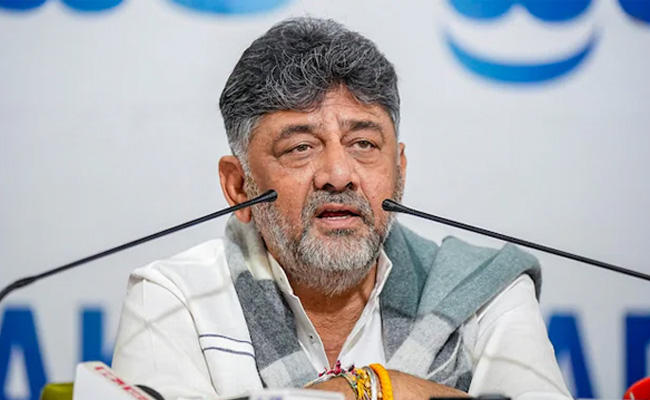
Kerala CM slams Centre’s GST hike on lottery, vows to protect sector
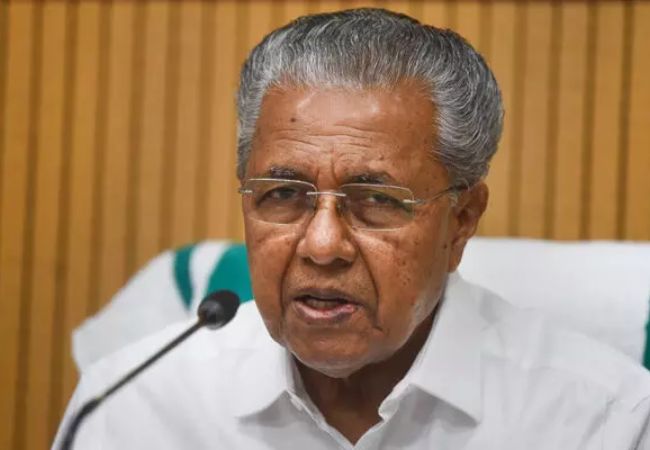
Thiruvananthapuram (PTI): Kerala Chief Minister Pinarayi Vijayan on Monday said the central government’s decision to raise the Goods and Services Tax (GST) on lottery tickets has dealt a severe blow to the state’s lottery sector.
"The GST on lottery tickets has been abruptly increased from 28 per cent to 40 per cent," Vijayan told reporters at a press conference here.
He said both he and Finance Minister K N Balagopal had repeatedly appealed—directly and through letters—to the Union Finance Ministry and the GST Council not to raise the tax rate.
"However, the Centre ignored all our requests, and that is what led to this steep tax hike," he added.
Vijayan stressed that the state government remains committed to protecting the lottery trade, which provides livelihoods to thousands of ordinary people who cannot find other jobs.
"Despite the fall in government revenue, we have decided not to raise the ticket price and to continue selling them at the existing rate," he said.
Even though the GST rate has been raised to 40 per cent, the chief minister said the ticket price would remain Rs 50. He added that this decision would cost the government Rs 3.35 per ticket in lost revenue—around Rs 3.35 crore per draw.
"To avoid a price hike, the government has cut costs in areas such as operational surplus, discounts, agency commissions, and prizes," he said, adding that around 60 per cent of total sales revenue is given out as prize money.
Vijayan also said the government is reviewing changes to agent discounts and agency commissions to reduce the impact.
"The state government is taking all possible steps to ensure that the GST revision imposed by the Centre does not hurt the workers and families who depend on the lottery sector," he added.
Let the Truth be known. If you read VB and like VB, please be a VB Supporter and Help us deliver the Truth to one and all.
Court can reject anticipatory bail but cannot direct accused to surrender: SC
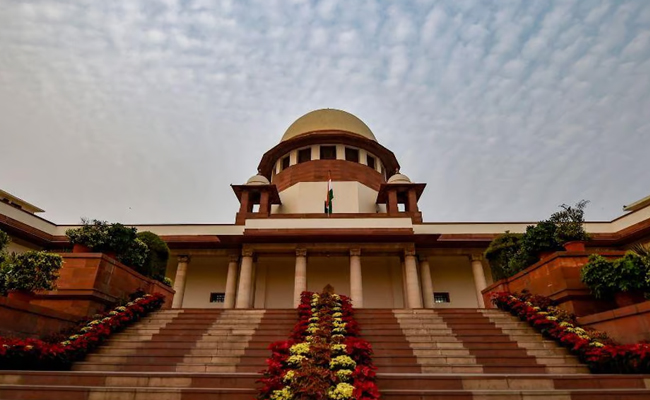
New Delhi (PTI): A court can reject anticipatory bail of an accused but it has no jurisdiction to direct him to surrender before the trial court, the Supreme Court has said.
A bench of Justices J B Pardiwala and Ujjal Bhuyan made the observation while hearing a plea filed by a man accused of cheating and forgery.
"If the court wants to reject the anticipatory bail, it may do so, but the court has no jurisdiction to say that the petitioner should now surrender," the bench said.
The Jharkhand High Court had rejected anticipatory bail plea of the accused and asked him to surrender and seek regular bail.
In this case, a complaint had been filed before a magistrate alleging offences under Sections 323 (voluntarily causing hurt), 420 (cheating), 467 (forgery of valuable security), 468 (forgery for purpose of cheating), 471 (using forged document) and 120B read with 34 of the IPC, in connection with a land dispute.
The high court had dismissed the second anticipatory bail application of the accused on the ground that no new circumstances were shown.
It had relied on its earlier order rejecting his first anticipatory bail plea, in which the court directed the petitioner to surrender before the trial court and seek regular bail in terms of the decision in Satender Kumar Antil v. CBI.
The top court said such a direction was wholly without jurisdiction and said that if a court chooses to reject anticipatory bail, it may do so, but it cannot compel the accused to surrender.