Kerala completes five lakh houses under LIFE Mission, says CM Vijayan
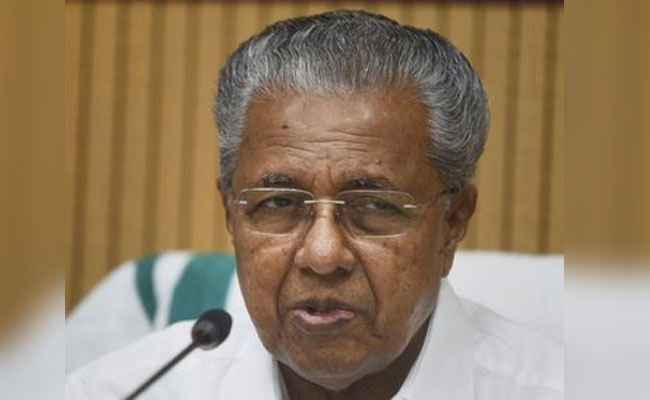
Thiruvananthapuram (PTI): The LDF government has completed the construction of five lakh houses under the LIFE Mission, Chief Minister Pinarayi Vijayan said on Monday, calling it a major step towards making Kerala free of homelessness.
In a Facebook post, Vijayan said the housing scheme was launched in 2016 with the aim of providing secure homes to the homeless across the state.
"Under the LIFE Mission launched by the LDF government in 2016, with the aim of making Kerala free of homelessness, the construction of five lakh houses has been completed," he said.
ALSO READ: Tejas jet suffered damage to airframe while landing at frontline air base
The Chief Minister said the state-level announcement marking the achievement will be held in Thiruvananthapuram on February 24.
He added that around Rs 20,831.60 crore has been spent on the project up to February 2026.
Highlighting the scale of the programme, Vijayan said the scheme provides financial assistance of Rs 4 lakh to ordinary families and Rs 6 lakh to Scheduled Tribe families for house construction.
"The LIFE Mission has emerged as a model for the country in terms of efficiency and inclusiveness," the CM said, describing it as a key part of the LDF government's development agenda.
Calling for collective effort to build a better society, Vijayan said, "Let us move forward together to build a New Kerala where everyone can live with happiness and dignity."
The LIFE Mission is one of the flagship welfare programmes of the LDF government and is seen as a major intervention in Kerala's housing sector.
Let the Truth be known. If you read VB and like VB, please be a VB Supporter and Help us deliver the Truth to one and all.
4 held for sexually assaulting woman, girl on moving bus after social media alert in UP's Agra

Agra (UP) (PTI): Four people were arrested, after a prompt response by police following a social media alert, for allegedly sexually assaulting a woman and a girl inside a moving bus here, officials said on Tuesday.
According to an official police statement, at 12:27 am on April 27, information was received on the social media platform X about an incident of sexual assault on a bus travelling from Kanpur to Ahmedabad, which was approaching Namner crossing in Agra.
Acting under the direction of Police Commissioner Deepak Kumar, the Agra Police social media team immediately alerted the Rakabganj police station within minutes and coordinated with the victims to confirm the incident and obtain the exact location, it stated.
Police teams launched intensive checking at Namner crossing and intercepted the bus as it reached the spot. The four accused involved in the incident were apprehended on the spot, and legal action was initiated against them, the statement said.
The police said the swift response and coordination between the social media team and field units ensured timely action, bringing relief to the victims and other passengers, who expressed gratitude towards the police, it added.