Kerala floods: Challenge shifts from rescue to relief
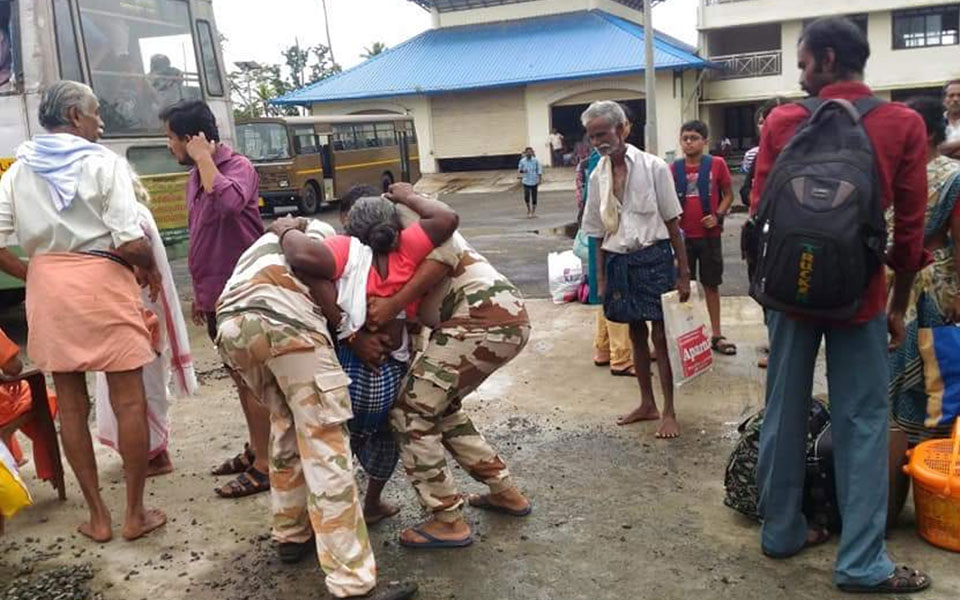
Thiruvananthapuram, Aug 20 : As rescue operations in Kerala on Monday entered its final stages, the biggest challenge before the authorities in the flood aftermath turned into managing the over 5,500 relief camps housing more than 7,00,000 people across the state.
The weather looked promising with no major rainfall expected in the state. Many people though continued to wait for rescue to arrive in several parts of Ernakulam district and interior Chengannur in Alappuzha district.
The death toll stands at 370, from May 29 when Kerala got the first of the monsoon rains, with the bulk of the fatalities being reported after August 9.
A tragedy of unprecedented proportion gripped the state after sluice gates of several rain-filled dams had to be opened.
On Monday, helicopters started their rescue operations in places where people still remained marooned. Several of the other helicopters transported food and relief materials from here.
Chengannur legislator Saji Cherian said: "We have despatched 70 rescue teams in boats who have reached 60 places where people are still trapped. We are confident that by Monday evening all will be rescued."
In Ernakulam, Paravur legislator V.D. Sateeshan said while a huge majority of those stranded have been rescued, at least 1,500 are still trapped in very remote areas. Accessibility is the biggest problem.
"We are sending individual rescue teams to these places and hopefully we will be able to save them," said Sateeshan.
Some people trapped in water-logged Kuttanadu in Alappuzha had refused to board the rescue boats. A lot of persuasion was required from the police teams to bring them to relief camps.
Congress leader P.C. Vishnunath told the media in Chengannur: "Bio-toilets have to be set up. In many camps they are overflowing. Engaging in basic needs has become a problem."
Waters at the Cochin International Airport also receded on Monday. The airport was shut since August 15, after water entered the operational area. Authorities have started the cleaning up process.
On Monday, small aircrafts started operating from the Cochin Naval Airbase.
Rains in the catchment areas of the big dams in Idukki district have also subsided. The outflow of water from both the Mullaperiyar and Idukki dams have been reduced.
As a result, the water flow into the Periyar and its tributaries that flow through Ernakulam and Thrissur has come down considerably. The railways started operations in the Kottayam sector and also to other sectors to Shornur.
The Kerala State Road Transport Corporation also began operations from many depots and it was expected to be fully functional in a day or two.
Kerala faced the heaviest rains and consequent floods and destruction since 1924, and the state government estimates the loss to be around Rs 19,500 crore.
Let the Truth be known. If you read VB and like VB, please be a VB Supporter and Help us deliver the Truth to one and all.
Election results prove Modi best for national security: R Ashoka
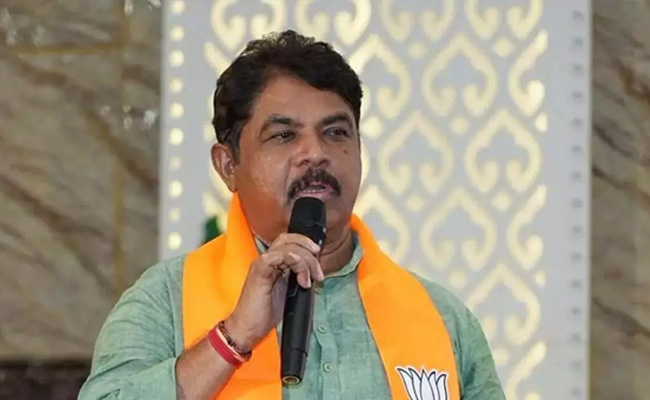
Bengaluru: Leader of Opposition in Karnataka Assembly R. Ashoka said the election results show that Narendra Modi is the most suitable leader for the country’s security.
Speaking to the media, he claimed that the political future of Mamata Banerjee and her government has come to an end. He alleged that around two crore people from Bangladesh were helped to enter the country with Aadhaar cards.
Ashoka said that even though elections were held in five states, the entire country’s attention was on West Bengal. He attributed this to what he described as misgovernance in the state.
He further said there were continuous political allegations and objections related to CBI matters, and added that such developments have now come to an end with the latest election outcome.