Kerala Police visits Journalist Siddique Kappan’s home; Says will visit again after midnight
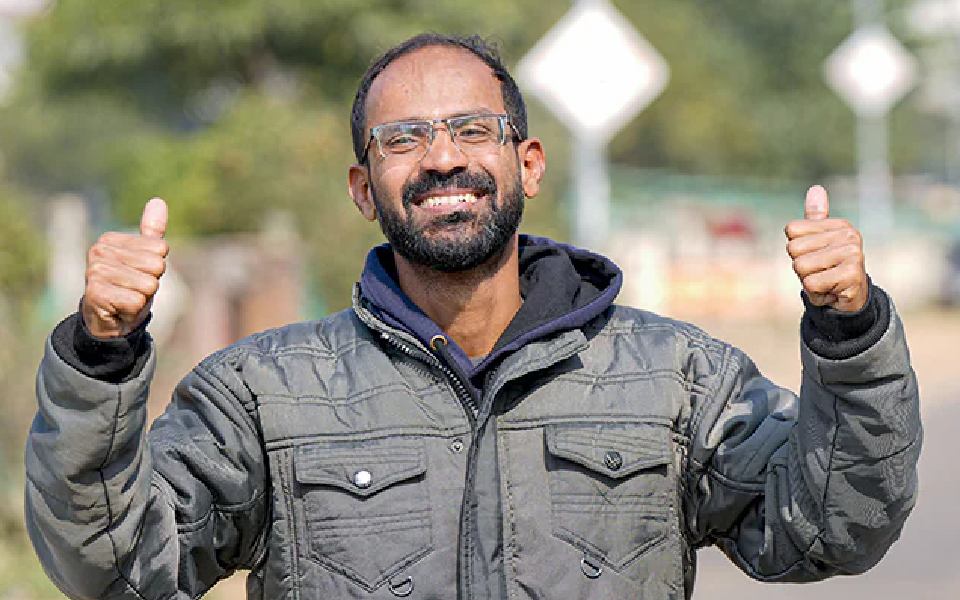
Malappuram: A recent late-night warning by Kerala police about a supposed routine inspection at the residence of journalist Siddique Kappan has triggered concerns among civil society groups, media unions, and the journalist’s family, who describe the move as abnormal and distressing.
According to Kappan and his wife, Raihanath, two police officers arrived at their home in Vengara, Malappuram, around 6:30 pm on Saturday, April 13. The officers claimed to be from Vengara and Tirur police stations and informed the family that a team from Malappuram would visit their home after midnight to verify Kappan’s presence. No clear reason was offered for the visit, which the officers described as a “routine check” linked to Kappan’s past legal case.
Speaking to local reporters, Raihanath Kappan recounted the unsettling exchange. “They asked if Siddique was home and whether he would be there after 12 am. When we questioned the purpose of such a late visit and whether it was linked to any central agencies like the ED or NIA, they simply brushed it off as a routine procedure. But it didn’t feel routine at all,” she said.
Siddique Kappan, who was released on bail in February 2023 after spending more than two years in a Uttar Pradesh jail under the Unlawful Activities (Prevention) Act (UAPA), also raised concerns about the nature and timing of the visit.
“The Vengara police station is just two and a half kilometres from my home. If they wanted to verify something, they could have called. Instead, they asked around the neighbourhood and created panic. When they arrived, they asked if I was Siddique Kappan. I confirmed and invited them inside, but they declined. They said a team would come again after midnight for a ‘regular check.’ A police visit at that hour doesn’t seem regular,” he said.
Kappan said he immediately contacted his lawyer and shared the officers’ details. He questioned the motive behind such a visit, stating that he is a public figure and has always cooperated with law enforcement. “I live with my wife and two children. We have nothing to hide. But we do expect dignity and basic respect, especially after all we’ve already endured,” he said.
Raihanath added that since Kappan’s release, the family has faced consistent police monitoring. “They follow him, take his pictures in public, and visit our house repeatedly. Even though he complied with the condition of weekly reporting to the police station, the visits haven’t stopped. But planning a visit after midnight goes beyond any reasonable limit,” she said.
After the officers left, the couple informed their lawyer, who contacted the police seeking clarification. The officers reportedly repeated that it was a routine check but gave no official documentation or legal reasoning behind the timing of the proposed visit.
The incident has drawn criticism from journalist groups and civil society. The Kerala Union of Working Journalists (KUWJ), of which Kappan is a member, issued a statement condemning the police action. The union said such steps deviate from standard procedures and should not be normalized.
The case has revived concerns about the treatment of journalists in India, especially those who face charges under harsh laws for their work. Kappan was arrested in October 2020 by the Uttar Pradesh police while on his way to Hathras to report on the gangrape and murder of a 19-year-old Dalit woman. He was later charged under UAPA and accused of conspiracy. His prolonged detention drew national and international attention. In 2023, the Supreme Court granted him bail, noting that he had the right to free speech and that there was insufficient evidence to justify continued incarceration.
As of Monday evening, the Kerala police have not issued any official statement about the purpose of the visit or why it was scheduled for such an unusual time.
Let the Truth be known. If you read VB and like VB, please be a VB Supporter and Help us deliver the Truth to one and all.
CM Siddaramaiah alleges ‘criminal conspiracy’ in Sringeri recount, vows legal action
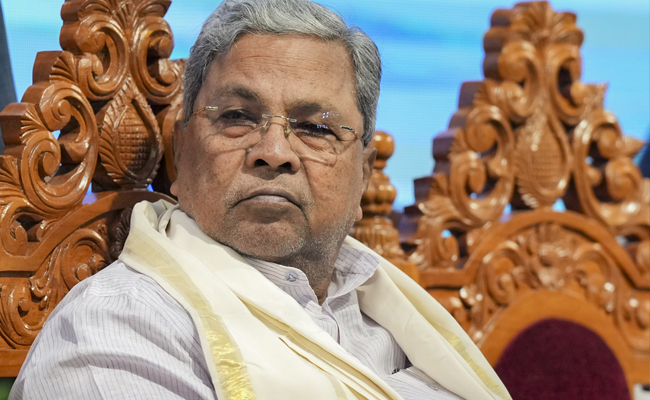
Bengaluru (PTI): Alleging a “criminal conspiracy” by BJP candidate D N Jeevaraj in the Sringeri Assembly poll recounting, Karnataka CM Siddaramaiah on Tuesday said the outcome was manipulated after valid postal ballot votes in favour of Congress leader T D Raje Gowda were tampered with during the recounting process.
Following a Karnataka High Court order on an election petition filed by Jeevaraj, challenging Raje Gowda’s election, the reverification and recounting were conducted on Saturday.
After the reverification and recount of postal ballots for the Sringeri Assembly constituency, votes polled in favour of Raje Gowda were reduced by 255, the returning officer said.
A report on the matter has been submitted to the Election Commission of India for further action, the officer added.
Congress leader Raje Gowda had won the 2023 Assembly polls from Sringeri by 201 votes, defeating his nearest rival Jeevaraj.
Addressing a press conference in Bengaluru, Siddaramaiah said the High Court had directed the recounting of postal ballots and that irregularities were noticed during the exercise conducted on May 2.
“This is a clear case of criminal conspiracy,” Siddaramaiah said, alleging that valid votes cast in favour of Raje Gowda were altered after being accepted by counting agents of all parties, including Congress, BJP, and JD(S).
He claimed that during the recounting of postal ballots, 255 votes were initially accepted as valid by all agents but were later tampered with by subordinate officials.
“There is a second mark on the votes polled in favour of Raje Gowda. They had accepted these as valid votes. Subsequently, another mark was made by officials. This is a clear case of criminal conspiracy,” he said.
When asked who was behind the alleged conspiracy, the CM replied, “It was hatched by Jeevaraj and others. It is planned.”
Siddaramaiah further alleged that the returning officer acted improperly by declaring the result despite the presence of an Election Commission observer during the recounting.
“Immediately after the counting, the returning officer announced the result. He should not have done so; this is against the law,” he said.
He pointed out that Raje Gowda had originally won by 201 votes, but after the recounting, the BJP candidate was declared the winner by 52 votes.
“The BJP has committed a criminal act of conspiracy. This is not vote chori but vote dacoity,” he alleged.
The CM said a police complaint had already been filed by Raje Gowda’s election agent, Sudhir Kumar, and emphasised the need for electoral integrity.
“We want transparency and free and fair elections. That is what our Constitution mandates,” he added.
Stating that the government would pursue legal remedies, Siddaramaiah said, “We are preparing an appeal challenging the returning officer’s announcement in a court of law.”
Responding to a separate query on elections in other states, the CM said there appeared to be an anti-incumbency factor in West Bengal, while results in Tamil Nadu were “surprising,” adding that Vijay’s party was emerging as the largest there.
Following the victory of party candidates in Bagalkote and Davanagere South, Siddaramaiah expressed confidence about future electoral prospects in Karnataka.
“Even in 2028, we will win the Assembly elections. We will come back,” the CM said.
Siddaramaiah added that he would order a forensic examination into the alleged tampering of postal ballots.