Lawyer urges HC to take cognisance of HMPV, direct govt to take immediate measures
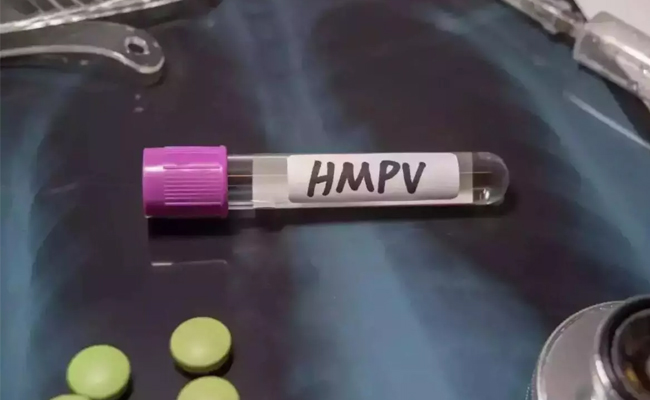
Nagpur (PTI): A lawyer on Tuesday moved the Nagpur bench of the Bombay High Court, urging it to take cognisance of concerns over Human Metapneumovirus (HMPV) and direct the Maharashtra government to take proactive measures.
Advocate Shreerang Bhandarkar, in his plea, said the high court had in 2020 taken suo motu (on its own) cognisance of the COVID-19 pandemic, and a similar action is now required amid the growing global and regional concerns surrounding the HMPV.
The high court is likely to hear the application on January 10.
Bhandarkar had appeared as amicus curiae (appointed by the court for assistance) in the COVID-19 plea.
In August 2020, the Nagpur bench had taken suo motu cognisance of the pandemic and had passed a slew of directions to the state government.
"The recent increase in reported cases of HMPV underscores the need for vigilance, preparedness and proactive public health measures," the application stated.
It urged the high court to direct the state health department to intensify HMPV surveillance, testing and reporting and to establish a task force on emerging respiratory viruses.
The plea also sought the court to direct the government to launch public health awareness campaigns focusing on HMPV symptoms, transmission and prevention.
There are currently five confirmed cases of HMPV in Karnataka, Tamil Nadu and Gujarat.
Let the Truth be known. If you read VB and like VB, please be a VB Supporter and Help us deliver the Truth to one and all.
Dakshina Kannada: Two girls drown while bathing near Kolyadakatta dam in Kadaba
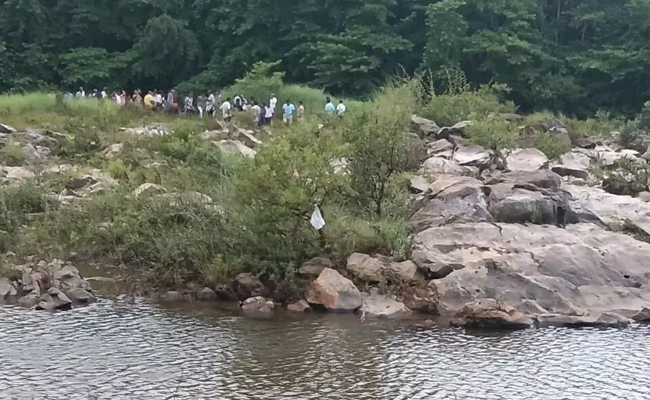
Mangaluru: Two girl students drowned while bathing near the Kolyadakatta dam area of the Gundya river on Friday evening here in the Kadaba Taluk of the district.
The deceased have been identified as Arpita (15) and Sunita (21), both residents of Vimalagiri in Kutrupadi village.
According to reports, five girl students had visited the river along with their friends as it was a holiday. While bathing in the river, the two students reportedly entered a deeper portion of the water without realising the depth and began drowning.
Those accompanying them tried to rescue the duo, but were unsuccessful, leading to the tragedy.
After receiving information about the incident, Kadaba Police Station personnel visited the spot and conducted an inspection. The bodies were later recovered with the help of local residents.