Legendary radio broadcaster Ameen Sayani dies at 91
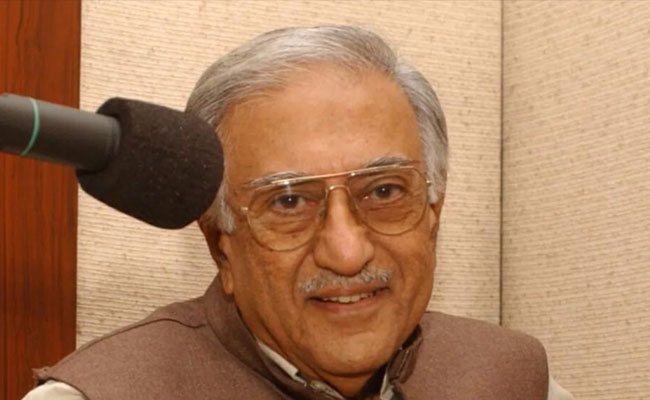
Mumbai (PTI): Famous radio personality Ameen Sayani, the iconic voice behind 'Binaca Geetmala', has died at the age of 91, his son Rajil Sayani said on Wednesday.
Sayani suffered a heart attack on Tuesday night and was taken to a hospital in South Mumbai but could not be saved.
"He passed away last night of heart attack at H N Reliance hospital. He was rushed to the hospital last evening around 6:00pm after he complained of chest pain. They tried to revive him but he passed away around 7:00pm," Rajil told PTI.
Rajil said last rites will be held tomorrow and that the family will be issuing a statement soon.
Sayani, whose introduction Namaste behno aur bhaiyon, main aapka dost Ameen Sayani bol raha hoon' on Radio Ceylon still evokes strong nostalgia amongst listeners, was born in Mumbai in a multilingual family on December 21, 1932.
He had a creative flair since childhood and started writing for his mother's fortnightly journal 'Rehbar' when he was just 13, which was also the age when he became a proficient broadcaster in English and started participating in children's programmes on the English service of All India Radio Bombay.
Sayani, however, was rejected when he auditioned to present in Hindustani because of a slight tinge of Gujarati accent in his voice.
When the then Minister for Information and Broadcasting, B V Keskar banned Hindi songs from AIR, Radio Ceylon started to become popular, which was then broadcasts from Colombo, started to boom.
Sayani got a chance to host 'Binaca Geetmala' on Radio Ceylon in December 1952 and never looked back.
A first of its kind show, the show ran from 1952 to 1994 to massive popularity for 42 long years.
With variations in its name, it continued to woo listeners in the early 2000s too.
Let the Truth be known. If you read VB and like VB, please be a VB Supporter and Help us deliver the Truth to one and all.
Residents allege poor road condition in Murdeshwar area; warn of protest
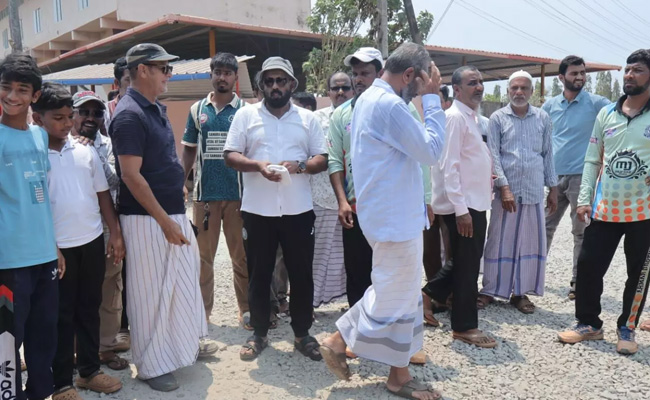
Bhatkal: Residents have expressed anger over the poor condition of roads in and around the popular tourist destination of Murdeshwar, saying commuters are facing severe hardship.
According to locals, the road stretch from Bastimakki to Urban Bank in National Colony has remained in bad shape for several years. They said the situation has worsened over the last five months after gravel was spread on the road in the name of repair work and left unfinished.
People alleged that movement of vehicles on the loose gravel has become dangerous, and several persons have reportedly slipped and suffered injuries.
Residents said the issue has been brought to the notice of minister Mankal Vaidya on several occasions, but no clear action has been taken so far.
Locals also claimed that though many promises were made during the election period, it has now become difficult even to reach the minister.
They warned that if officials and the contractor fail to complete the road work immediately, they would be forced to launch a strong protest in the coming days.