Let there be no light: Sombre shadow over Gateway of India as boat tragedy 'sinks' in
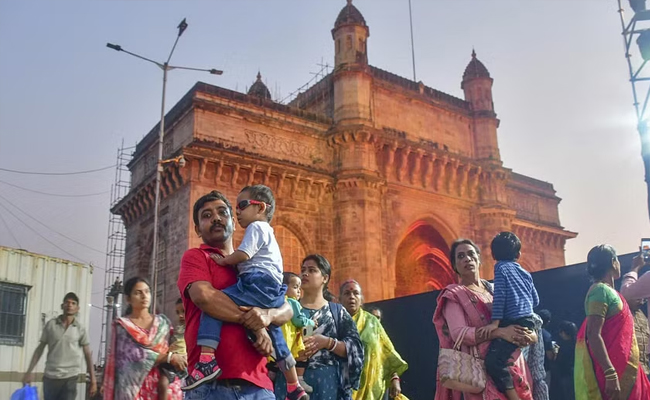
Mumbai (PTI): Tourist boats docked in the Arabian Sea at the Gateway of India, a popular attraction in south Mumbai, usually remain brightly illuminated until late in the night.
However, they were not lit up on Wednesday night, reflecting the somber mood that prevailed after a boat tragedy off the Mumbai coast in which 13 persons, including Navy personnel, lost their lives. Ninety nine passengers were rescued from the boat.
The tragedy unfolded in the evening after a speeding Navy craft crashed into a ferry carrying passengers from the Gateway of India to Elephanta Island, a popular tourist destination around 45 minutes away.
The iconic British-era monument attracts large crowds of tourists from all parts of the country and even the world.
Winters, when Mumbai weather is pleasant, attract even larger crowds at the seafront landmark which recently completed 100 years. Many of them go for boat rides, while some visit Elephanta, a collection of ancient caves located on the Gharapuri island.
Following the tragedy near a jetty off the Butcher island, police stopped tourists entry at the Gateway of India and suspended boat services, docking them at their designated spots. However, the Mumbai-Alibaug boat services, remained operational till the evening.
A musical event of a private financial institution was going on at the Gateway of India even as anxious relatives of the missing persons waited outside the police post to know updates about their near and dear ones.
Offices of tourist boat operators, teeming with people on normal days, were closed. These included the office of the operators whose boat had capsized following the crash. Tourists looked disappointed as the entry was restricted for them.
Police have heightened security in the area and ambulances were seen parked at the Gateway of India. The crash cast a somber shadow over the landmark's vicinity.
Khalashis (assistants) and boat drivers were seen discussing the incident or going about their routine tasks such as preparing food and fetching fresh water in their boats.
Let the Truth be known. If you read VB and like VB, please be a VB Supporter and Help us deliver the Truth to one and all.
Dharwad Corporation zonal offices raided after complaints of corruption in issuing land records
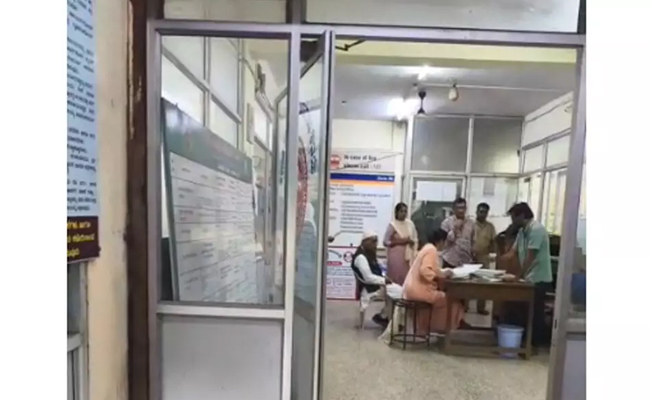
Hubballi: Karnataka Lokayukta officials on Friday conducted raids at multiple zonal offices of the Hubballi-Dharwad City Corporation following complaints alleging bribery and delay in issuing land-related documents, including e-Swathu records.
The raids were carried out in the morning under the leadership of Siddalingappa S.T.. Separate teams inspected 12 zonal offices of the Corporation and examined records linked to land ownership and document processing.
According to sources, the Lokayukta received complaints from members of the public alleging that Corporation officials were demanding bribes for issuing e-Swathu and other land documents.
Residents reportedly alleged that applications were being deliberately delayed if bribes were not paid.
Based on these complaints, officials carried out inspections of files and records connected to land ownership and issuance of documents.
Further investigation is underway.