Local train accident unfortunate, railways probing cause: Fadnavis
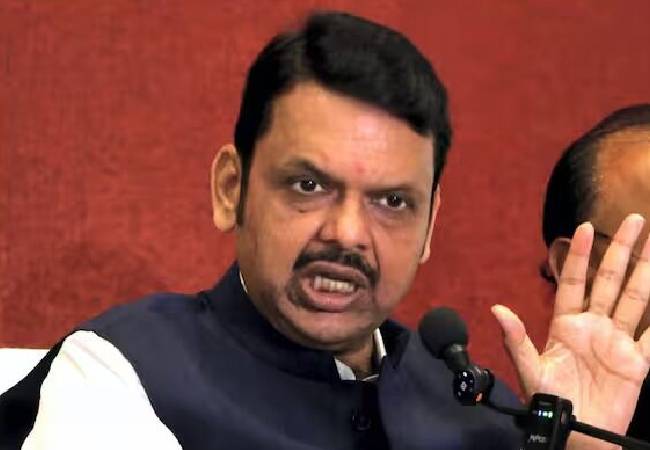
Mumbai (PTI): Maharashtra Chief Minister Devendra Fadnavis on Monday said the railway administration is probing the cause of the accident in which eight passengers fell off an overcrowded local train and some of them died.
According to the police, four passengers were killed and six injured after falling off a moving and overcrowded local train between Diva and Kopar railway stations in Thane district during the morning peak hours.
In a post on X, Fadnavis said, "It is very unfortunate that a total of eight passengers fell from a local train between Diva-Mumbra station and some of them lost their lives. The railway administration is probing the cause of the accident."
The injured were immediately admitted to Shivaji Hospital and Thane General Hospital, he said.
Fadnavis said the local administration is coordinating, and he hopes that the injured get relief soon.
Deputy Chief Minister Ajit Pawar termed the accident as "unfortunate" and "distressing".
"The death of commuters falling to their deaths from a local CST-bound train from Kasara is unfortunate and deeply distressing. The deaths highlight the need to pay serious attention to overcrowding and passenger safety in the suburban railway system," he said.
"I am confident that the railway administration will soon take concrete steps to make suburban train services more effective and safe," he said.
Pawar prayed for the speedy recovery of the injured passengers and expressed condolences to the families of the deceased.
Let the Truth be known. If you read VB and like VB, please be a VB Supporter and Help us deliver the Truth to one and all.
Two held for 'firing' at BJP leader's house in Bengal
Kolkata (PTI): A day before the counting of votes for the West Bengal assembly elections, two persons were arrested on Sunday for allegedly being involved in a firing incident outside the residence of a BJP leader in North 24 Parganas district, police said.
BJP leader Kundan Singh lodged a police complaint, alleging that a few gunmen fired at his house in the Noapara constituency around Saturday midnight.
Based on the CCTV footage, the two accused were apprehended, a senior officer said.
BJP's Noapara candidate Arjun Singh, in a post on social media, claimed that around 12.05 am, two armed miscreants arrived on a motorcycle at the residence of Kundan Singh, a BJP functionary and secretary of the Barrackpore organisational district, with an "intent to kill him".
According to the BJP leader, the accused are residents of Garulia and are known criminals.
Their names as offenders had been submitted to the Election Commission, he said.
The police officer did not specify whether the two arrested persons were the same individuals named by Arjun Singh.
According to the complaint, one round of firing took place outside Kundan Singh's house, triggering panic in the area.
The BJP candidate also questioned the role of the police, claiming that one of the accused had been detained by the police on the polling day but was later released in the evening.
The Noapara assembly seat went to the polls on April 29.
Several BJP leaders alleged that attempts were being made to create an atmosphere of fear ahead of the counting and weaken the organisation of the opposition parties.
The counting of votes will take place on May 4. Polling for the West Bengal assembly elections was held on April 23 and April 29.
The BJP urged the Election Commission to intervene immediately to ensure peaceful counting.
TMC candidate Somnath Shyam rubbished Arjun Singh’s allegation, claiming that the BJP nominee had orchestrated the firing incident to divert attention from imminent defeat.
“Arjun Singh knows all the gangsters in the Barrackpore belt. Everyone knows about his links with the underworld. Let the police investigate the incident,” Shyam said.