Loss of smell or taste added to list of COVID-19 symptoms: Health ministry
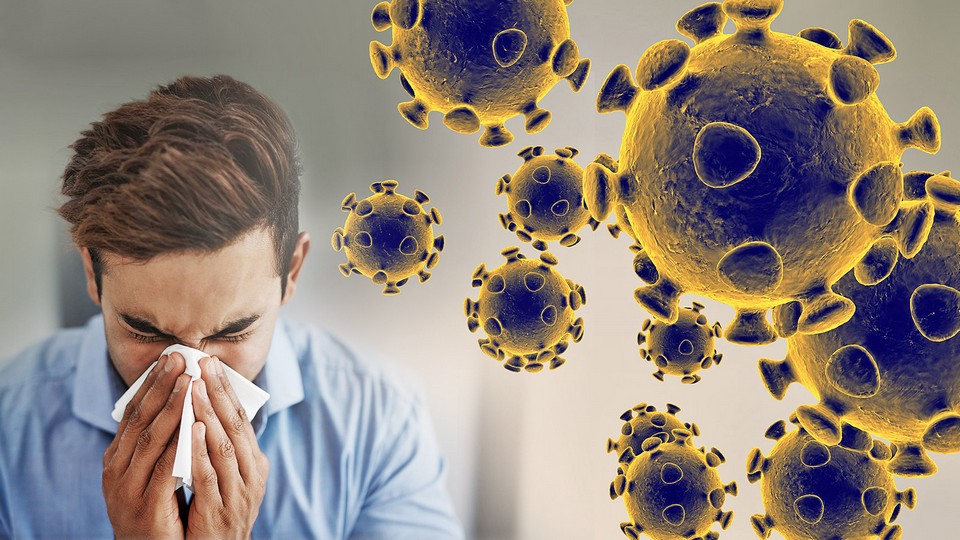
New Delhi: Loss of smell or taste has been added to the list of COVID-19 symptoms, according to the revised clinical management protocols released by the Union Health Ministry on Saturday.
The ministry listed muscle pain, diarrhea, congested nasal cavity, sputum production as COVID-19 symptoms, besides fever, cough, fatigue, sore throat, and shortness of breath.
People have also complained of loss of smell (anosmia) or loss of taste (ageusia) preceding the onset of respiratory symptoms, it said.
According to an expert, though it is not specific to COVID-19 as one may even suffer from loss of smell and taste when they have flu or influenza, then it could be one of the early signs of the onset of the disease and may help in timely detection and treatment.
In its revised 'Clinical Management Protocols for COVID-19 released on Saturday, the health ministry said older people and immune-suppressed patients, in particular, may present with atypical symptoms such as fatigue, reduced alertness, reduced mobility, diarrhea, loss of appetite, delirium, and absence of fever, the ministry said.
Children might not have reported fever or cough as frequently as adults.
The US's national public health institute, the Centers for Disease Control and Prevention (CDC), had in early May incorporated "a new loss of taste or smell" in the list of COVID-19 symptoms.
According to data from the Integrated Health Information Platform and Integrated Disease Surveillance Programme, portal case investigation forms for COVID 19 (n=15,366), the details on the signs and symptoms reported are (as on June 11), fever (27 percent), cough (21 percent), sore throat (10 percent), breathlessness (8 percent), Weakness (7 percent), running nose (3 percent) and others 24 percent.
According to the health ministry, people infected by the novel coronavirus are the main source of infection.
Direct person-to-person transmission occurs through close contact, mainly through respiratory droplets that are released when the infected person coughs, sneezes, or talks.
These droplets may also land on surfaces, where the virus remains viable. Infection can also occur if a person touches an infected surface and then touches his or her eyes, nose, or mouth.
The median incubation period is 5.1 days (range 2 14 days). The precise interval during which an individual with COVID-19 is infectious is uncertain.
As per the current evidence, the period of infectivity starts two days prior to the onset of symptoms and lasts up to 8 days.
The extent and role played by pre-clinical/ asymptomatic infections in transmission still remain under investigation.
The document while listing the clinical management protocols for treating mild, moderate, and severe cases, reiterated that RT-PCR should be used for COVID-19 diagnosis and antibody tests are not recommended for diagnosis of the infection.
Under the case definition category, a patient with acute respiratory illness (fever and at least one sign/symptom of respiratory disease such as cough, shortness of breath), and a history of travel to or residence in a location reporting community transmission of COVID-19 disease during the 14 days prior to symptom onset is considered as a suspect case.
Anyone with any acute respiratory illness and has been in contact with a confirmed or probable COVID-19 case in the last 14 days prior to symptom onset also to be considered as a suspect case.
Besides, a patient with severe acute respiratory illness (fever and at least one symptom of a respiratory disease like cough, shortness of breath; and requiring hospitalization) and in the absence of an alternative diagnosis that fully explains the clinical presentation also will be categorized as a suspect case.
A suspect case for whom testing for the COVID-19 virus is inconclusive or for whom testing could not be performed for any reason will fall under 'probable case'.
A person with laboratory confirmation of COVID-19 infection, irrespective of clinical signs and symptoms will be considered a confirmed case.
Mild COVID-19 cases can be managed at home may be given symptomatic treatment such as antipyretic (paracetamol) for fever and pain, adequate nutrition, and appropriate rehydration.
Hydroxychloroquine tablets may be considered for any of those having high-risk features for severe disease (such as age> 60; hypertension, diabetes, chronic lung/kidney/ liver disease, cerebrovascular disease, and obesity) under strict medical supervision.
Let the Truth be known. If you read VB and like VB, please be a VB Supporter and Help us deliver the Truth to one and all.
Man jumps to death from 22nd floor of posh Noida society; depression suspected

Noida (PTI): A 37-year-old man allegedly died by suicide after jumping from the 22nd floor of a posh residential society in Sector 107 here, police said on Monday.
The incident took place on Sunday in Prateek Edifice Society under the jurisdiction of the Sector-39 police station. The deceased has been identified as Sajjal Mehrotra, a company director who lived in the society with his family.
"On Sunday afternoon, he jumped from the balcony of his flat on the 22nd floor," a police official said.
Family members and security guards rushed him to a nearby hospital, where doctors declared him dead, police said, adding that no suicide note has been found.
Prima facie, the deceased was suffering from depression, officials said, adding that other aspects of the case are being investigated.
The body has been sent for post-mortem and further legal formalities are underway.
Police said the man got married about 10 years ago and is survived by his wife and two children. No complaint has been received from the family in connection with the incident.
(Assistance for overcoming suicidal thoughts is available on the state’s health helpline 104, Tele-MANAS 14416.)