LPG bookings fall to 77 lakh; no fuel shortages, online bookings rise after govt campaign
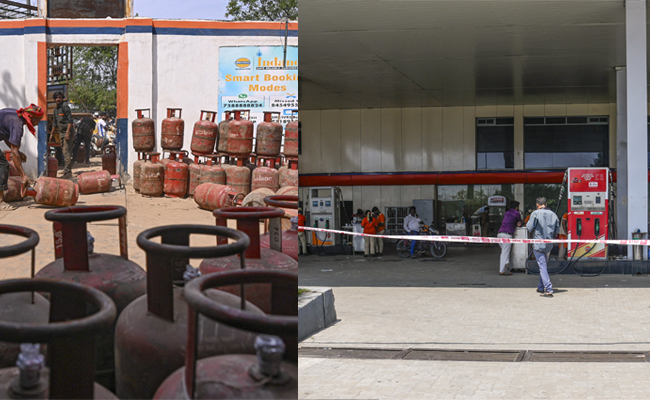
New Delhi (PTI): LPG refill bookings have declined to about 77 lakh from 88.8 lakh earlier, indicating some easing of panic buying, even as the government said there is no shortage of petrol, diesel or cooking gas, and supplies remain stable despite the West Asia conflict.
In a daily update on the impact of the West Asia situation, the government said the share of online LPG bookings has risen to about 87 per cent from 84 per cent, attributing the increase to a campaign by oil marketing companies promoting digital booking and discouraging people from queuing up at LPG dealerships for panic purchases.
All domestic "refineries are operating at high capacity and maintaining adequate crude oil inventories," the update said. "The country remains self-sufficient in the production of petrol and diesel, requiring no imports of the fuels to meet domestic demand."
Oil marketing companies have reported no dry-outs at fuel retail outlets or LPG distributorships, and petrol, diesel and LPG supplies are being maintained regularly.
"LPG bookings have shown a decline, with about 77 lakh bookings recorded yesterday (on Saturday) compared to 88.8 lakh bookings on March 13, 2026," the update said, adding "Online LPG cylinder bookings have increased from 84 per cent to about 87 per cent."
The government said it continues to prioritise the interests of domestic consumers and ensure uninterrupted LPG supply, particularly for households and priority sectors such as hospitals and educational institutions.
Several States and UTs, including Bihar, Delhi, Haryana and Rajasthan, have issued orders for allocation of non-domestic LPG in line with government guidelines.
State governments are undertaking enforcement measures to prevent hoarding and black marketing of petrol, diesel and LPG.
Raids are being carried out in several states, including Andhra Pradesh and Bihar, to check hoarding and black marketing of LPG cylinders.
Officials of PSU Oil Marketing Companies are also conducting surprise inspections at LPG distributorships to ensure smooth supply and prevent irregularities.
"Citizens are advised not to resort to panic buying as adequate stocks of petrol and diesel are available across the country," the update said.
Priority sectors continue to receive protected natural gas supplies, including 100 per cent supply for piped natural gas (PNG or natural gas piped to household for cooking purpose) and compressed natural gas (CNG), while supplies to industrial and commercial users have been regulated at about 80 per cent.
Commercial LPG cylinders have been placed at the disposal of state governments for priority distribution and are now available in 30 states and Union Territories, while authorities have stepped up raids and inspections to curb hoarding and black-marketing, it said.
The government has also amended the LPG Control Order to mandate that consumers with PNG connections surrender domestic LPG connections, while domestic LPG production from refineries has been maximised and booking intervals rationalised to ensure equitable distribution, it said.
The Ministry of External Affairs is closely monitoring the situation in West Asia and assisting Indian nationals in the region through missions operating round-the-clock helplines.
Around 1.94 lakh passengers have returned to India from the region since February 28, it added.
Domestic LPG production from refineries has been maximized, and several supply and demand-side measures have been implemented.
PSU oil marketing companies are promoting digital bookings, discouraging panic bookings and keeping LPG distributorships open on Sundays to facilitate smooth supply.
"Citizens are advised not to panic as the government remains committed to maintaining adequate LPG availability for households and essential sectors," it said. "Consumers are requested to avoid panic bookings, use digital booking platforms and avoid unnecessary visits to LPG distributors."
Citizens are encouraged to opt for alternate fuels such as PNG wherever possible.
"The government continues to maintain coordination among the concerned Ministries and agencies and is taking necessary steps to ensure preparedness across key sectors and safeguard national interests," it added.
Let the Truth be known. If you read VB and like VB, please be a VB Supporter and Help us deliver the Truth to one and all.
Trump says he ‘hasn’t even thought about’ continuing Iran ceasefire
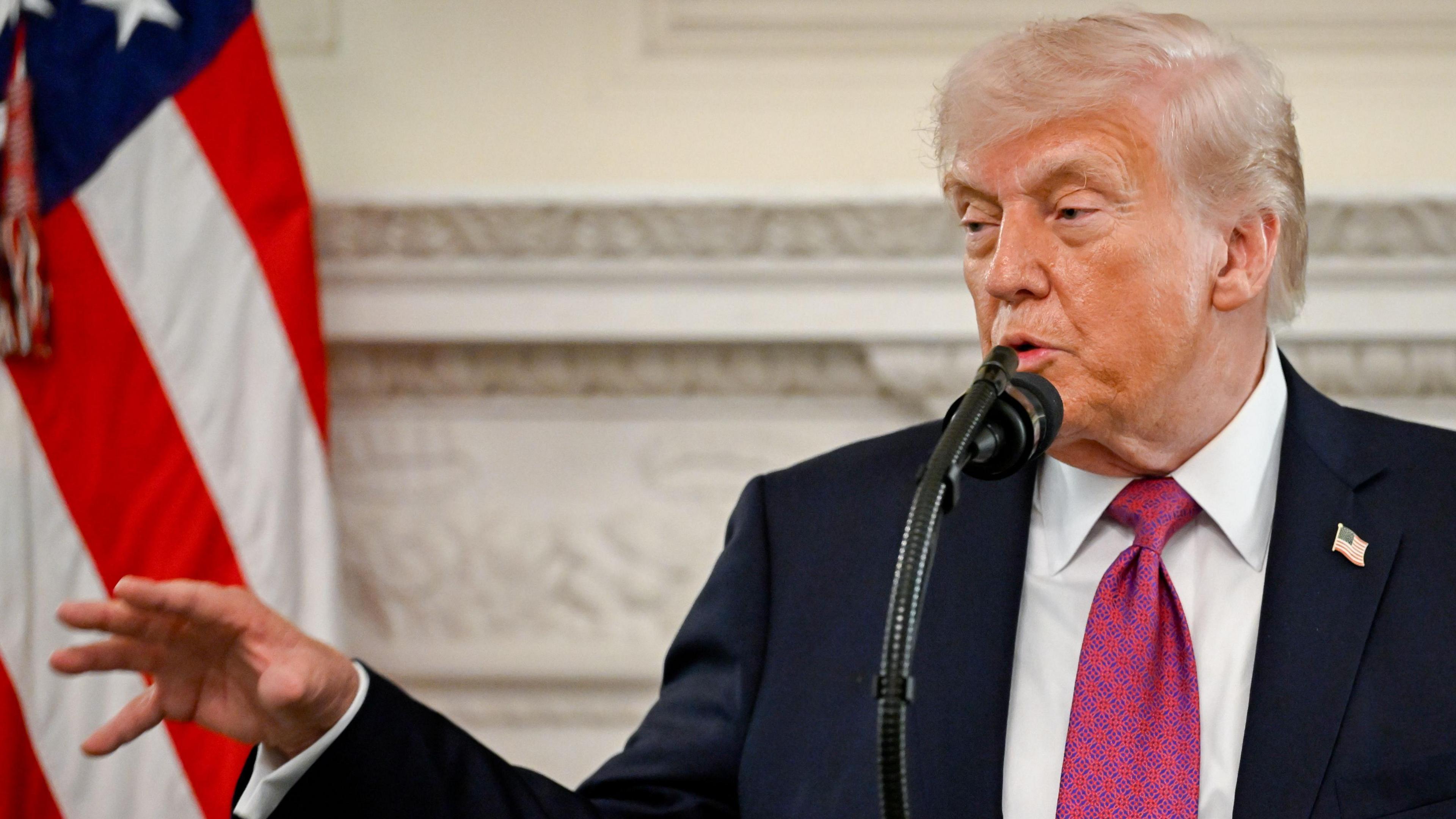
Washington: US President Donald Trump has said he has not yet considered whether he would continue the ceasefire involving Iran, while also claiming the United States holds the advantage in negotiations.
Speaking to reporters, Trump said he was prepared to make a deal with “whoever is running the show” in Iran.
“They are fighting with each other, there’s tremendous infighting. They’re probably fighting for leadership in many cases. I think they’re fighting not to be leader because we knocked out two levels of leaders,” he said.
Trump added, “When they want they can call me. We have all the cards, we’ve won everything.”
Referring to ongoing negotiations, he said, “They gave us a paper that should’ve been better. And, interestingly, immediately when I cancelled it [envoy trip to Pakistan], within 10 minutes we got a new paper that was much better.”
“We talked about they will not have a nuclear weapon, very simple … They offered a lot, but not enough,” he added.
When asked whether he would continue the ceasefire, Trump replied, “I haven’t even thought about it.”
The remarks come as uncertainty remains over the future of the temporary truce and broader negotiations between Washington and Tehran.