LPG hoarders nabbed with 74 cylinders in Delhi's Mahipalpur
New Delhi (PTI): Three men were arrested in southwest Delhi's Mahipalpur for allegedly hoarding LPG cylinders to sell them at a premium price, police said on Sunday.
They were identified as Krishna, Dinesh Sahu, and Mithilesh, aged 33, 46, and 39, all from Bihar but living in Delhi.
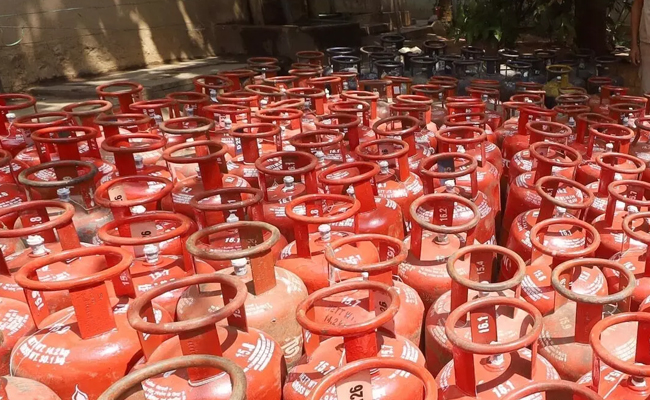
The police seized 74 LPG cylinders – 70 domestic and four commercial - along with a transport vehicle and refilling equipment in the raid on Saturday, an officer said.
"The trio was engaged in illegally storing LPG cylinders and supplying them to local customers without bills or licences. They allegedly used metal pipes to transfer gas from multiple filled cylinders into empty ones to manipulate supply and increase margins," the officer said.
"During the search, a large number of LPG cylinders, weighing machines and gas transfer equipment were found. The accused failed to produce any valid documents for storage or distribution of the cylinders," the officer said.
Among the recovered items were 54 filled and 16 used domestic cylinders, three filled and one used commercial cylinder, an electronic weighing scale, two hanging weighing machines and equipment used for refilling gas.
A case has been registered under relevant sections of the Essential Commodities Act and the Bharatiya Nyaya Sanhita at Vasant Kunj North police station.
The three have been living in Delhi for over two decades and were allegedly involved in the illegal LPG trade in the Mahipalpur area for the past three years, the police said.
Let the Truth be known. If you read VB and like VB, please be a VB Supporter and Help us deliver the Truth to one and all.
Lebanon appoints new representative for talks with Israel, rejects linkage to Iran
Beirut: Lebanon’s has moved to underline its independent position in ongoing regional developments, amid attempts to link the country to the broader conflict involving Iran, the United States and Israel.
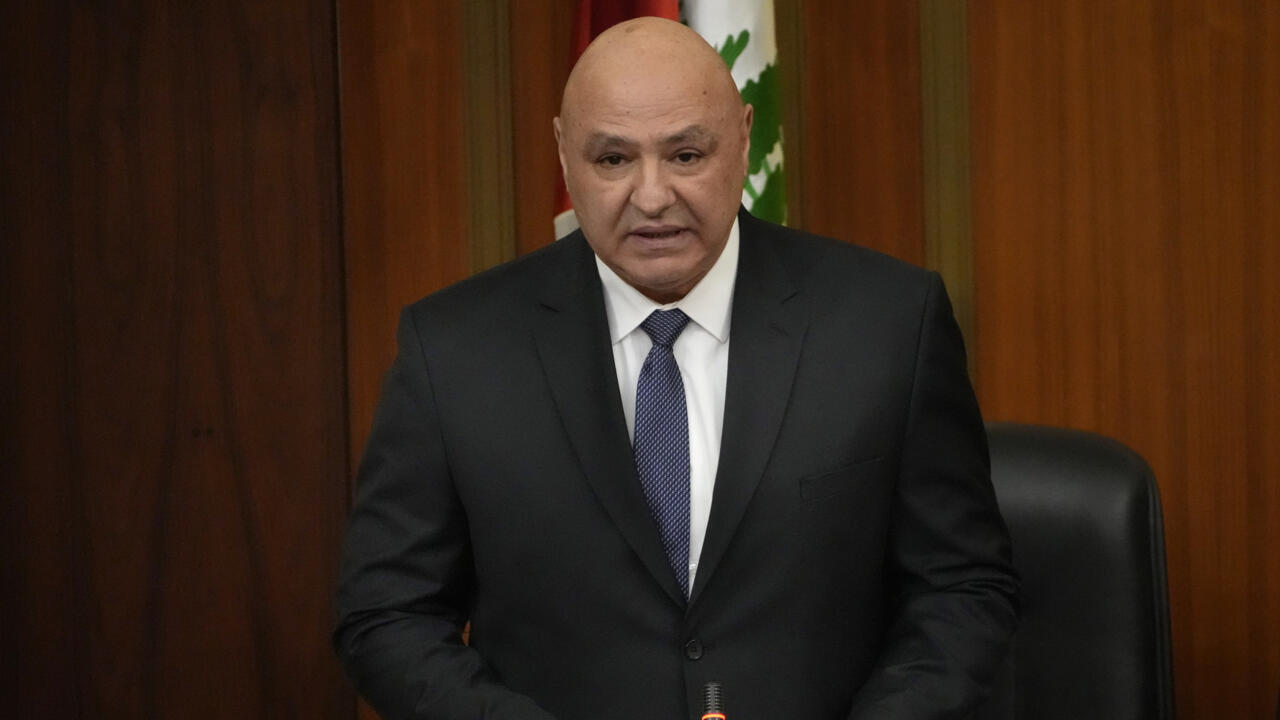
President Joseph Aoun, while announcing the appointment of former US ambassador Simon Karam as Lebanon’s representative in talks with Israel, made it clear that Karam would be the sole representative for Lebanon and that there would be no substitute.
The move comes in response to what the Lebanese officials see as efforts by Iran to tie Lebanon’s situation to the wider regional conflict. Iran had indicated that there would be no ceasefire involving the US, Israel and Iran unless it also included a ceasefire in Lebanon.
Some groups, including Hezbollah and its supporters, had expressed support for linking the situations, citing concerns that the Lebanese government has limited leverage in negotiations with Israel. Lebanon is not formally a party to the conflict, and its army is considered weak.
However, others, including Prime Minister Nawaf Salam, have opposed this approach. They view Iran’s stance as an attempt to influence Lebanon’s internal affairs and see it as undermining the country’s sovereignty.
Officials backing the government’s position say the move is aimed at reaffirming Lebanon’s sovereignty and ensuring that decisions about peace and ceasefire within the country are not dictated externally.
They also see it as a safeguard, so that any breakdown in talks between the US, Israel and Iran does not automatically lead to renewed conflict in Lebanon.