'Mahabharat' actor Satish Kaul dies of COVID-19-related complications
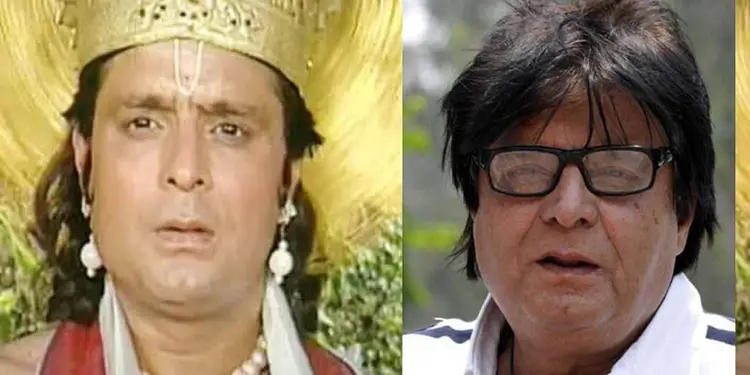
Ludhiana, Apr 10: Veteran Punjabi actor Satish Kaul, who featured in several Hindi films and shows including "Mahabharat", died on Saturday due to COVID-19 related complications. He was 74.
According to Kaul's sister Satya Devi, the actor, popular for playing the role of Lord Indra in BR Chopra's "Mahabharat'', was admitted to a city hospital after he developed fever six days ago.
"He died today morning due to COVID-19 at the hospital. He had fever and wasn't keeping well. We admitted him to the hospital on Thursday and got him tested, where it turned out that he was COVID-19 positive," Satya Devi told PTI.
Kaul is survived by his sister.
The actor worked in over 300 Punjabi and Hindi films including "Pyaar Toh Hona Hi Tha", "Aunty No 1" and the TV show "Vikram Aur Betaal".
Kaul moved to Punjab from Mumbai and started an acting school around 2011, which wasn't a success.
He fractured his hip bone in 2015 and remained bedridden for two and a half years. He later checked-in to an old age home, where he stayed till 2019, before moving in to a rented house.
In an interview with PTI in May last year, Kaul had said he was struggling for medicines, groceries and basic needs during the nationwide lockdown and had appealed to the film industry for help.
Kaul had expressed his wish to buy a house of his own in the city and had hoped to act more.
"The fire to act is still alive in me. It isn't over. I wish someone gives me a role even today, any role, and I would do it. I'm raring to act again," he said.
Let the Truth be known. If you read VB and like VB, please be a VB Supporter and Help us deliver the Truth to one and all.
Akeal Hosein bosses powerplay overs with 'skill and mental fortitude'
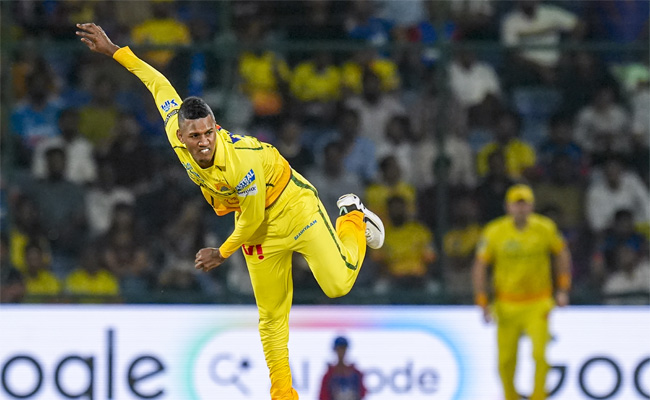
New Delhi (PTI): For a spinner who bowls majority of his overs in the powerplay, Chennai Super Kings' West Indian import Akeal Hosein relies as much on mental fortitude as his skills to excel in the most unforgiving phase of the game.
With just two fielders in the deep in the first six overs, the margin for error is miniscule and the pressure is sky high.
However, Hosein thrives in that tense environment. The left-arm spinner returned with frugal figures of 3-0-15-1 in the powerplay to play a crucial role in his team's eight-wicket win over Delhi Capitals in an IPL match here on Tuesday.
"You need both of them (skill and mental toughness). Especially when you come upon pitches that aren't conducive to spin and it's just about being disciplined as well," he said.
"Having two fielders out in the power play. It's not a job that you can go searching for wickets or you can be too greedy. It's just about sticking to the plan," he explained.
Hosein got the all-important wicket of an in-form K L Rahul, who was foxed by the West Indian as he stepped out to smash him for an inside out six.
Hosein's inclusion in the playing eleven after not being picked in the initial phase of the tournament has allowed CSK to win more games. On Tuesday, the pitch offered him a bit of help and he ended up dominating the batters.
After the win over DC, Hosein was asked about his recipe for success in the powerplay.
"...it's a bit scripted because you only have two guys out so it's just about being disciplined and trying to do the job for the team. At the end of the day if you don't get wickets and you bowl economically in the power play, that's a damn good job you've done for the team," said Hosein.
He has taken seven wickets in five games at an impressive economy rate of 7.25.
Fully aware that the batter is a mere couple of hits away from putting the pressure back on him, Hosein says practising for high-pressure situations helps him stay in the present.
"I think homework is very important. You want to have that head-start when you come up against whichever batter you're going to face. And like I say it's just about making assessments as quickly as possible.
"You might come up on a pitch that is spinning. You might come up against one that isn't spinning. Thankfully I can spin the ball. So it's just about picking which deliveries will give you the most success on a particular day and against a particular batter," said Hosein.
He got rid of Rahul first ball from the other end, something that was decided by captain Ruturaj Gaikwad. Post powerplay, Noor Ahmad took over the mantle from Hosein and maintained the pressure on DC batters.
"Getting the opportunity to bowl first for me is just about again making that assessment as quickly as possible and then passing on that information to Noor or even to the seamers as well if it was a bit of spin or if it's gripping or whatever the case is.
"So conversations with myself and Noor have been fantastic. Really happy for him that he's getting some success," he added.