Maharashtra: Man uses JCB machine to steal ATM in Sangli

Sangli, Apr 26: An unidentified man allegedly stole a JCB machine and used it to dislodge and take away an ATM in Sangli district of western Maharashtra, police said on Tuesday.
The incident took place on the intervening night of April 22 and 23 at an ATM centre of a private sector bank in Agar village of Miraj tehsil, an official said.
A CCTV footage from the ATM centre showing the JCB machine being used to dislodge the cash machine has gone viral on social media.
An unidentified man stole a JCB machine and used it to remove the ATM from the centre, inspector Chandrakant Bedare of Miraj rural police station said.
"The man might have developed cold feet, as he later abandoned the ATM and the JCB machine in the nearby area. Following an inspection, cash to the tune of Rs 27 lakh was found intact inside the cashbox," the official said.
However, the theft attempt had caused damages worth Rs 4 lakh at the ATM centre and to the machine, he added.
"We have registered a case under the relevant sections of the IPC. We are examining the CCTV footage from the ATM centre and the area from where the backhoe was stolen," Bedare said.
View this post on Instagram
Let the Truth be known. If you read VB and like VB, please be a VB Supporter and Help us deliver the Truth to one and all.
Congress using hijab issue to pacify minority anger, alleges Karnataka LoP R Ashoka
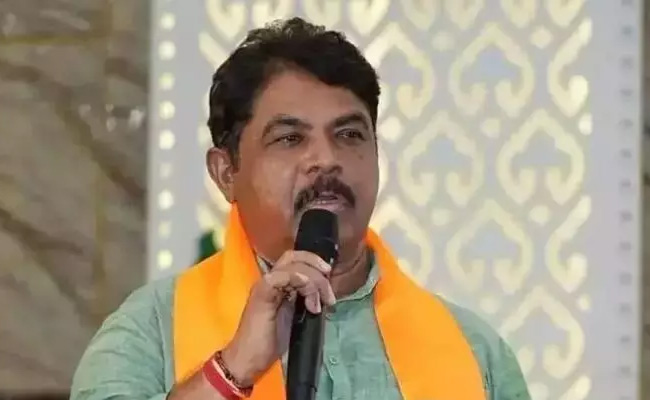
Bengaluru: Leader of Opposition in the Assembly R. Ashoka has accused the Congress government of using the hijab issue to placate what he described as discontent among minority voters after the Davanagere by-election.
In a post on X on Wednesday, Ashoka alleged that the state government, instead of addressing issues such as price rise, corruption, farmers’ distress and law and order, was attempting to retain its minority vote base by reviving the hijab issue.
Referring to the 2022 dress code introduced by the BJP government, which prohibited hijab in schools and colleges, Ashoka said the Karnataka High Court had upheld the policy and emphasised the importance of discipline in educational institutions.
He questioned the Congress government’s move to revisit the issue and asked whether setting aside the court-backed policy to benefit one community could be described as secularism.
Ashoka further alleged that while the government was willing to permit hijab, it continued to prohibit saffron shawls.
He accused the government of dividing students on religious lines rather than treating schools and colleges as spaces of equality.
Drawing a comparison with Mamata Banerjee’s government in West Bengal, Ashoka claimed that excessive appeasement politics had harmed the state and warned that the Congress in Karnataka could face a similar political response.
He said voters in Karnataka would teach the Congress a lesson for what he termed “vote-bank politics” and for compromising constitutional and judicial principles.