Man sets bike on fire to beat biting cold in Delhi, held
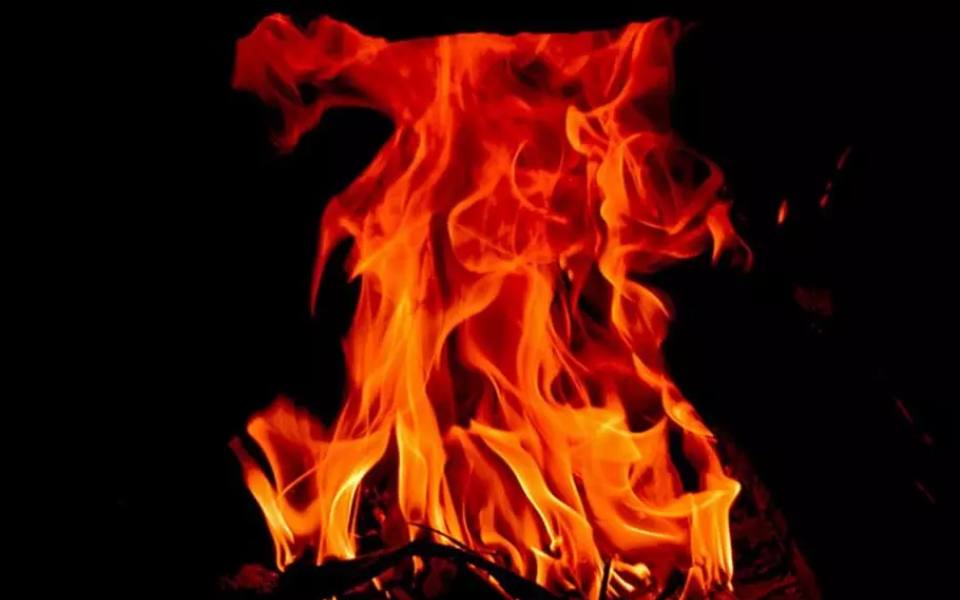
New Delhi, Jan 25: As biting cold grips Delhi, a man in Pul Prahladpur area of the city allegedly set a motorcycle on fire on Thursday to keep himself warm, police said.
In a 2.5-minute video that surfaces on social media, Kishan Kumar can be seen setting a motorcycle, parked in a lane in GC Block, on fire.
The video also shows Kumar standing in front of the burning two-wheeler for a while.
“At about 3 am, Kumar set a sack, kept on a Hero Splendor motorcycle, on fire with the help of a matchstick,” a police officer.
After noticing the motorcycle on fire, its owner and another neighbour came out of their houses and informed the police, the officer said.
“We received the call at 4.37 am and a team was sent to the spot. The blaze was doused with the help of the fire department but by then the motorcycle was completely charred,” the officer said.
Police said they identified Kumar with the help of CCTV footage and arrested him from his house.
Kumar told police that he set the motorcycle on fire because he was feeling cold.
He has been booked under section 435 (Mischief by fire or explosive substance with intent to cause damage) of the IPC, police said.
As per the eyewitnesses, some residents saw him sitting in an auto rickshaw parked near the spot before the incident.
Kumar works as a mason and lives with his family in the same block where the incident happened, police said.
The police have medically examined him to know if he was under the influence of alcohol or any narcotics substance.
He is being further interrogated, police said.
Let the Truth be known. If you read VB and like VB, please be a VB Supporter and Help us deliver the Truth to one and all.
Trump says he ‘hasn’t even thought about’ continuing Iran ceasefire
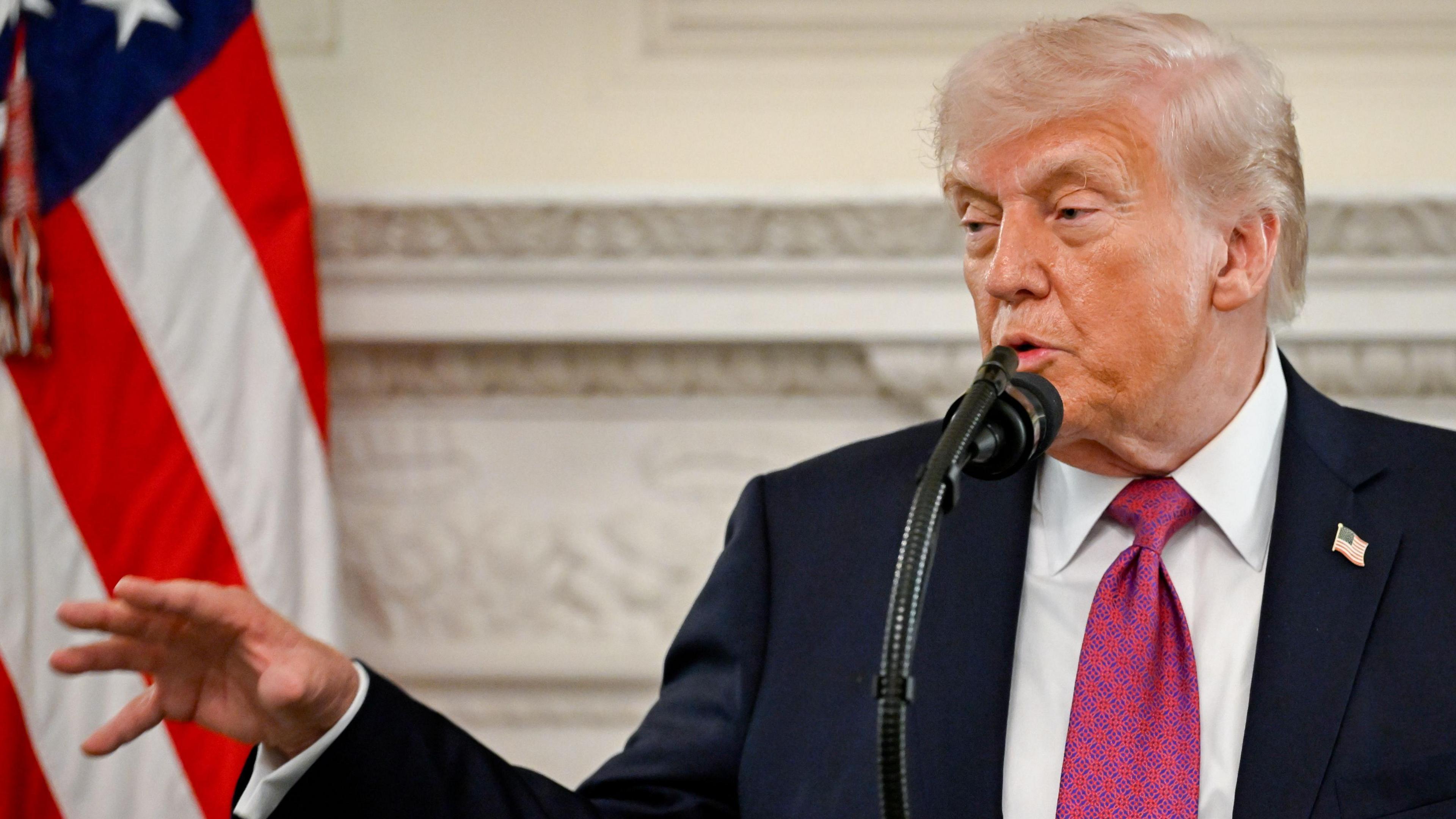
Washington: US President Donald Trump has said he has not yet considered whether he would continue the ceasefire involving Iran, while also claiming the United States holds the advantage in negotiations.
Speaking to reporters, Trump said he was prepared to make a deal with “whoever is running the show” in Iran.
“They are fighting with each other, there’s tremendous infighting. They’re probably fighting for leadership in many cases. I think they’re fighting not to be leader because we knocked out two levels of leaders,” he said.
Trump added, “When they want they can call me. We have all the cards, we’ve won everything.”
Referring to ongoing negotiations, he said, “They gave us a paper that should’ve been better. And, interestingly, immediately when I cancelled it [envoy trip to Pakistan], within 10 minutes we got a new paper that was much better.”
“We talked about they will not have a nuclear weapon, very simple … They offered a lot, but not enough,” he added.
When asked whether he would continue the ceasefire, Trump replied, “I haven’t even thought about it.”
The remarks come as uncertainty remains over the future of the temporary truce and broader negotiations between Washington and Tehran.