'Mauni Baba': Congress takes dig at PM after Trump repeats Russian oil claim
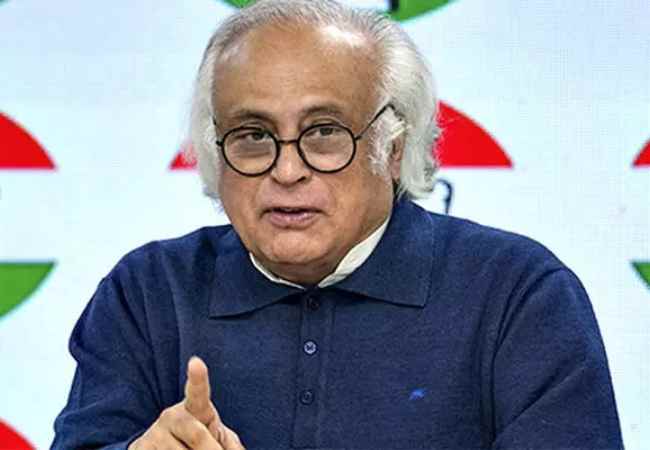
New Delhi (PTI): Taking a swipe at Prime Minister Narendra Modi, the Congress on Saturday said the PM suddenly becomes a "mauni baba" whenever US President Donald Trump states that he stopped Operation Sindoor or that India will reduce its oil imports from Russia.
Congress general secretary in-charge communications Jairam Ramesh said President Trump has yet again stated that he has been assured by his "good friend" that India will cut back on its imports of oil from Russia.
"But that good friend suddenly becomes a Mauni Baba whenever President Trump says he stopped Operation Sindoor and now when he says that India will reduce its imports of oil from Russia," Ramesh said in a post on X, taking a dig at PM Modi.
Meanwhile, India's trade deficit with China during April-Sep 2025 increased to USD 54.4 billion as compared to USD 49.6 billion in the same period last year, the Congress leader said.
His remarks come hours after the US president repeated his claims that India will not be buying oil from Russia, saying that the country has already "de-escalated" and is "pulling back".
This is the second time that Trump has made such claims.
India on Thursday said it is "broad-basing and diversifying" its sourcing of energy to meet market conditions, hours after Trump claimed that Prime Minister Narendra Modi assured him that New Delhi will stop procuring Russian crude oil.
External Affairs Ministry Spokesperson Randhir Jaiswal, responding to Trump's remarks, said it has been New Delhi's consistent priority to safeguard the interests of the Indian consumer in a volatile energy scenario.
He said India's import policies are guided entirely by national interest, adding India has been looking at expanding energy ties with the US as well.
The Congress on Thursday alleged that Modi is "frightened" of Trump and appears to have outsourced key decisions to America.
The opposition party had also alleged that the foreign policy of the Modi government has "completely collapsed" and said the Centre must take opposition leaders into confidence by either calling an all-party meeting or speaking to them one-on-one.
Washington has been maintaining that India is helping Putin finance the war through its purchase of Russian crude oil.
The relations between New Delhi and Washington have been reeling under severe stress after Trump doubled tariffs on Indian goods to a whopping 50 per cent, including a 25 per cent additional duty for India's purchase of Russian crude oil.
India described the US action as "unfair, unjustified and unreasonable".
Let the Truth be known. If you read VB and like VB, please be a VB Supporter and Help us deliver the Truth to one and all.
Trump says he ‘hasn’t even thought about’ continuing Iran ceasefire
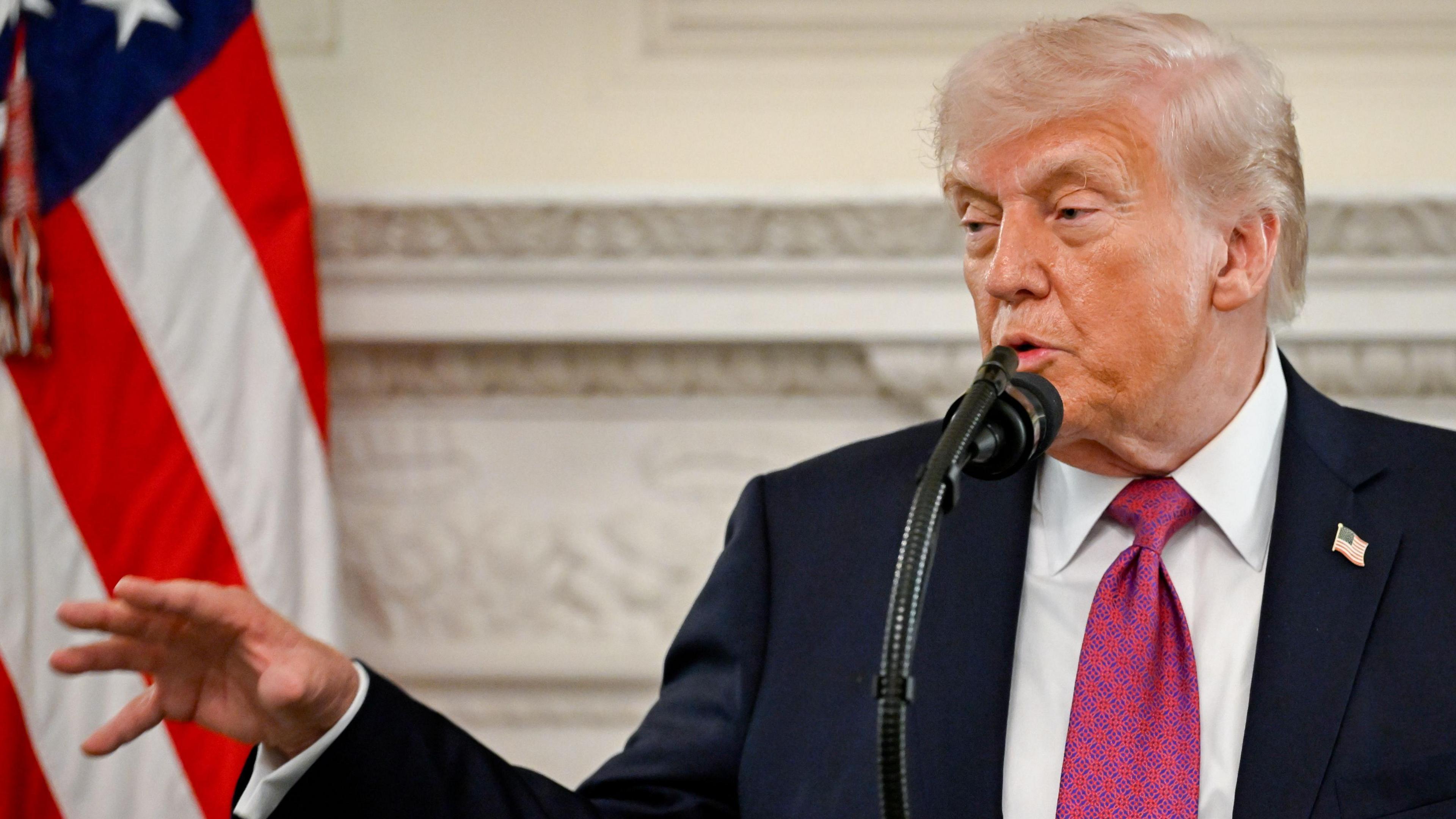
Washington: US President Donald Trump has said he has not yet considered whether he would continue the ceasefire involving Iran, while also claiming the United States holds the advantage in negotiations.
Speaking to reporters, Trump said he was prepared to make a deal with “whoever is running the show” in Iran.
“They are fighting with each other, there’s tremendous infighting. They’re probably fighting for leadership in many cases. I think they’re fighting not to be leader because we knocked out two levels of leaders,” he said.
Trump added, “When they want they can call me. We have all the cards, we’ve won everything.”
Referring to ongoing negotiations, he said, “They gave us a paper that should’ve been better. And, interestingly, immediately when I cancelled it [envoy trip to Pakistan], within 10 minutes we got a new paper that was much better.”
“We talked about they will not have a nuclear weapon, very simple … They offered a lot, but not enough,” he added.
When asked whether he would continue the ceasefire, Trump replied, “I haven’t even thought about it.”
The remarks come as uncertainty remains over the future of the temporary truce and broader negotiations between Washington and Tehran.