May 23 should be celebrated as 'Modi Diwas': Baba Ramdev
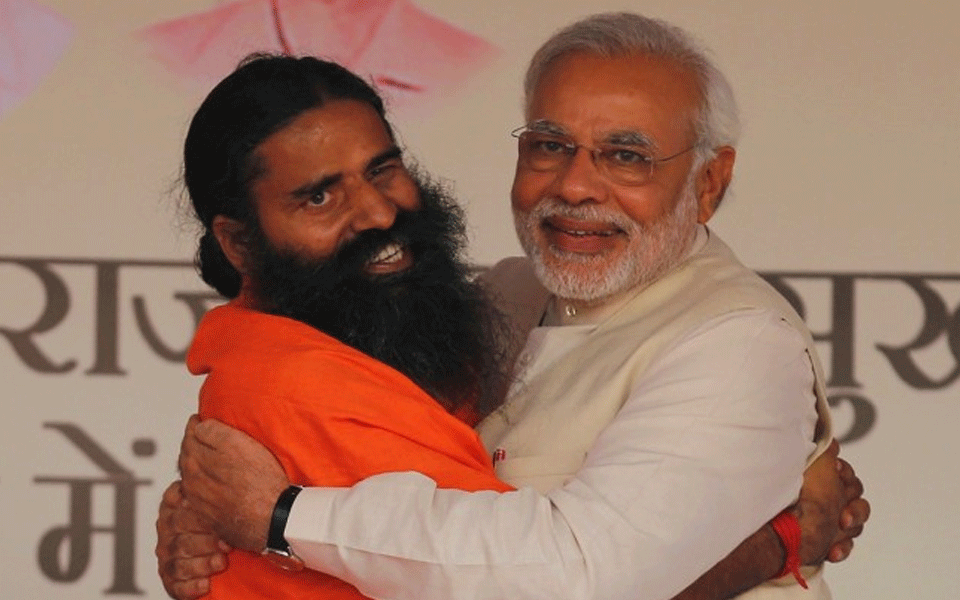
Haridwar, May 27: Describing May 23, when the BJP rode back to power with a massive mandate, as a "historic" day, Yoga guru Ramdev Monday said it should be celebrated either as "Modi Diwas or public welfare day".
The BJP won 303 of the 542 Lok Sabha seats that went to polls this time while the opposition was left way behind with the Congress winning only 52 seats.The results for the seven-phase general elections were announced on May 23.
"May 23 is a historic day. It should be celebrated either as Modi Diwas or Jan Kalyan Diwas (public welfare day)," Ramdev told reporters here on the sidelines of a programme to launch milk and dairy products of Patanjali.
Narendra Modi is the third prime minister of the country who has been able to retain power for a second term with full majority in Lok Sabha after Jawaharlal Nehru and Indira Gandhi.
Speaking about Patanjali Ayurved Limited's latest line of products, the Yoga guru, who is the co-founder of the company, said Patanjali's toned milk, butter, paneer, lassi and chach were made from pure cow milk without any chemicals.
"These are cheaper and better than those of Mother Dairy and Amul," Ramdev said, without elaborating how Patanjali's products were better than those of its rivals.
He claimed other companies used a "chemical colour" in its butter which was injurious to health.
The dairy and milk products of Patanjali are being supplied to Delhi-NCR, Uttarakhand, Rajasthan, Mumbai and Pune in the first phase and plans are underway to supply these soon to other states, Ramdev said.
On Sunday, Ramdev addressing a press conference had opined that India is not ready to deal with its population explosion and suggested some measures like denying voting rights and other government services to the third children onwards.
Let the Truth be known. If you read VB and like VB, please be a VB Supporter and Help us deliver the Truth to one and all.
Bihar: Over 150 children fall ill after consuming 'mid-day meal' in Saharsa
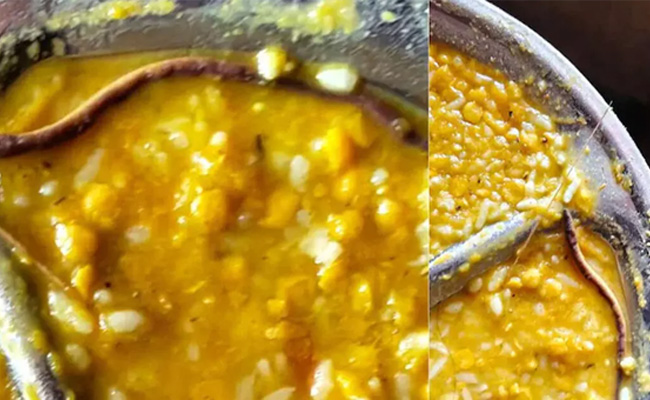
Saharsa (PTI): More than 150 children were taken ill after allegedly consuming food that was part of the mid-day meal in a school in Bihar’s Saharsa district, a senior official said on Thursday.
The incident occurred at a middle school in Baluaha village of the district.
The official said that 115 children were undergoing treatment at the Sadar Hospital, while around 50 students were admitted to Mahishi Public Health Centre.
“We received information that several children fell ill after consuming the mid-day meal in Baluaha. The children were initially treated at the primary health centre, but later, many were referred to the Sadar Hospital,” Saharsa District Magistrate Deepesh Kumar told reporters.
“According to doctors, the health condition of the children has improved, but they will be kept under observation for some time. There is no need to panic. Some kids are having mild fever. They are being treated accordingly,” Kumar said.
Meanwhile, family members of some children claimed that a snake was found in the container in which cooked pulses was stored at the school.
Of the 545 students present in the school, 200 had already eaten their meals by the time the snake was spotted, and later complained of stomach ache and vomiting, they said.
Regarding the claims, the DM said food samples have been collected from the school.
“We will be able to comment on this only after the results of the tested samples arrive,” he said.