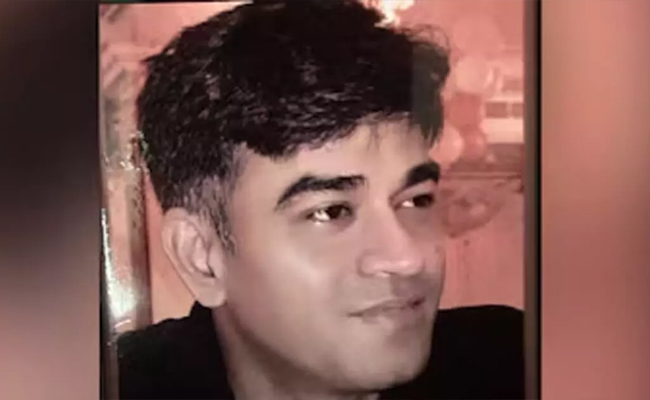
Mecca Masjid blast case judge joins Telangana Jana Samiti(TJS)
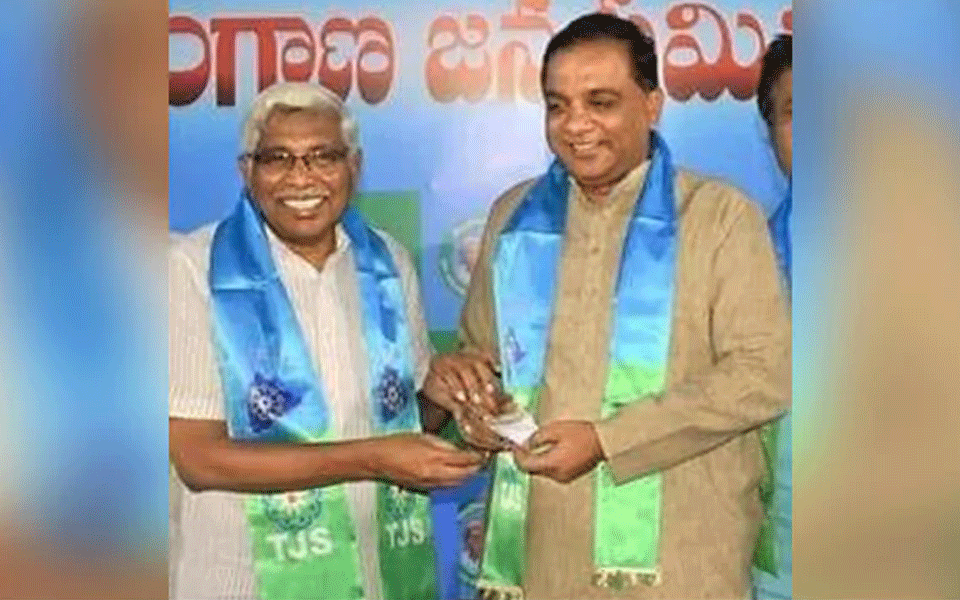
Hyderabad, Oct 14: Former judge K Ravinder Reddy, who quit after delivering the verdict in the Mecca Masjid blast case, has joined the Telangana Jana Samiti (TJS), part of the opposition alliance led by the Congress for the coming Assembly polls, weeks after expressing keenness to embrace the BJP.
The move is being seen as a shot in the arm for the TJS in the run-up to the December 7 polls. Reddy was welcomed into the party by TJS president M Kodandaram at an event Saturday.
Reddy, the then judge for National Investigation Agency (NIA) cases here, had on April 16 acquitted Hindutva preacher Aseemanand and four others in the Mecca Masjid blast case.
He had resigned as a judge within hours of pronouncing the judgment, citing personal reasons.
Last month, Reddy had expressed keenness to join the Bharatiya Janata Party (BJP), describing it as a "patriotic party", and banners welcoming him into the party were put up at the state BJP headquarters here, but it did not materialise.
The TJS is part of the opposition alliance, also comprising the Congress, the Telugu Desam Party (TDP), the Communist Party of India (CPI), formed to take on the ruling Telangana Rashtra Samithi (TRS) in the upcoming polls.
Kodandaram expressed hope that the seat-sharing talks among the alliance partners would be finalised by "Vijaya Dashami" (October 18).
Kodandaram was the chairman of the Telangana Joint Action Committee (JAC), which was at the forefront of the separate Telangana agitation.
The JAC consisted of various parties, including the TRS. Kodandaram, however, fell out with the TRS after the party assumed power in Telangana in 2014.
Let the Truth be known. If you read VB and like VB, please be a VB Supporter and Help us deliver the Truth to one and all.
Sujit Nair raises concerns over speculation of DMK-AIADMK understanding to block TVK
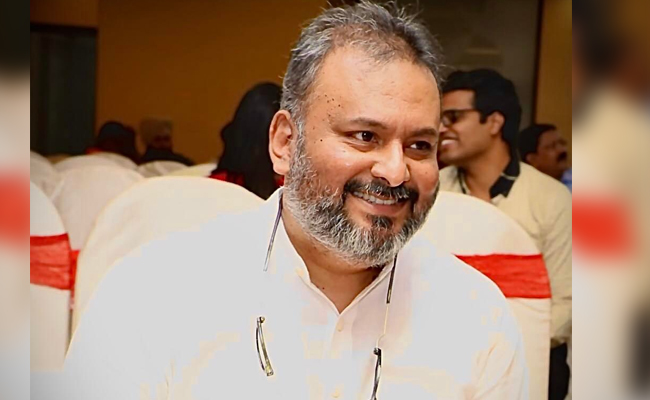
Chennai: Journalist and political commentator Sujit Nair has expressed concern over speculation that the Dravida Munnetra Kazhagam and the All India Anna Dravida Munnetra Kazhagam could explore a post-poll understanding to prevent Vijay-led Tamilaga Vettri Kazhagam from forming the government in Tamil Nadu.
In a social media post, Sujit Nair said the election verdict in Tamil Nadu reflected a clear public demand for political change and argued that the mandate should be respected irrespective of political preferences.
Referring to reports and political discussions surrounding a possible understanding between the DMK and AIADMK, he said he hoped such developments remained only speculative conversations and did not turn into reality.
Nair stated that if such an alliance were to take shape, it would raise serious questions about ideological politics in the country. He said TVK had emerged through a democratic electoral process and that the legitimacy to govern in a parliamentary democracy comes from the people’s verdict.
According to him, attempts to prevent an electoral winner from forming the government through unexpected political arrangements may be constitutionally valid, but many people could view them as politically opportunistic.
He further said that such a move could particularly affect the political image of the DMK, which has historically projected itself around ideology, social justice and opposition politics. Nair said that in ideological terms, the DMK appeared closer to TVK than to the AIADMK, and joining hands with its long-time political rival only to remain in power could weaken its broader political narrative.
He added that the same questions would apply to the AIADMK as well, as the party had spent decades positioning itself against the DMK and such an arrangement could create discomfort among its cadre and supporters.
Drawing a comparison with Maharashtra politics in 2019, Nair said he had expressed similar views when the Shiv Sena formed an alliance with the Indian National Congress and the Nationalist Congress Party after the Assembly elections.
He said post-poll alliances between long-standing political rivals often create a public perception that ideology and electoral mandates become secondary when political power equations come into play.
Nair also said such developments increase public cynicism towards politics and reinforce the belief among voters that ideology is often sidelined after elections.
He maintained that the Tamil Nadu verdict was emphatic and said respecting both the spirit and substance of the mandate was important for the credibility of democratic politics.