#MeToo:"Time to tell our side of the story”, says Priya Ramani after court summons in M J Akbar case
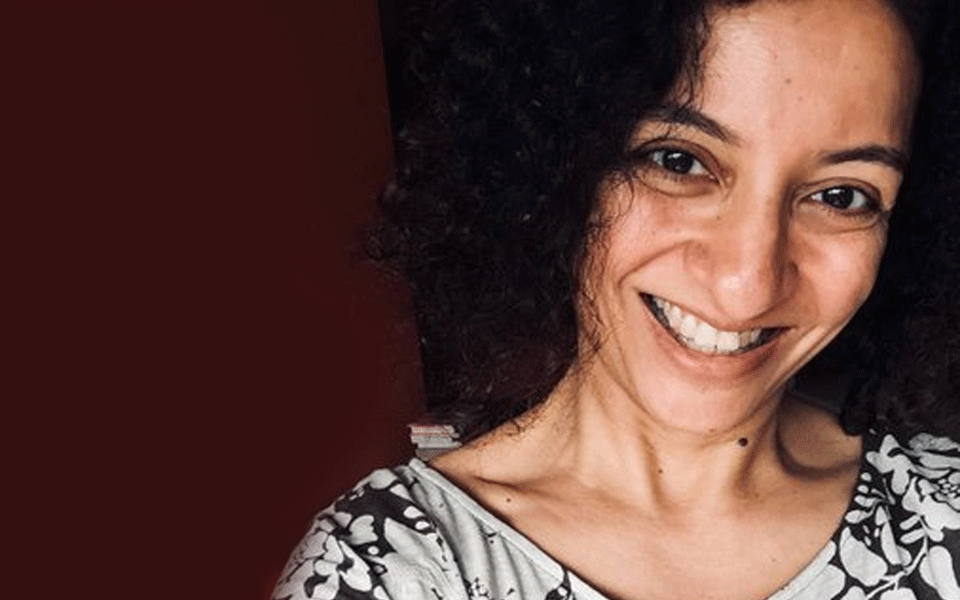
New Delhi, Jan 29: "Time to tell our side of the story", was the expression of journalist Priya Ramani, who was Tuesday summoned as an accused by a Delhi court for allegedly defaming former Union minister M J Akbar by levelling allegations of sexual misconduct against him.
Ramani, who accused Akbar of sexual misconduct 20 years ago when he was a journalist, took to Twitter to react after the court summoned her for February 25.
She was the first among 20-odd female journalists who accused Akbar of sexual misconduct as the #MeToo campaign raged on in India.
The women claimed to have worked with Akbar in 1990s and included Ghazala Wahab, Shuma Raha, Anju Bharti and Shutapa Paul.
In its order, the court said the allegations made by Ramani against Akbar were "prima facie defamatory" and he had denied all the accusations as "false and imaginary".
It also said that "at this stage, the court only has the version of the complainant, who has on oath deposed in court that all the allegations made are false and further brought witnesses to vouch for his impeccable and unblemished reputation".
Akbar, who resigned as Union Minister on October 17, last year had filed a private criminal defamation complaint against Ramani after his name cropped up on social media when he was in Nigeria, claiming that all the allegations against him were false.
Let the Truth be known. If you read VB and like VB, please be a VB Supporter and Help us deliver the Truth to one and all.
AIITA welcomes Karnataka’s ban on obscene songs in school events
Bhatkal: The Karnataka unit of the All India Ideal Teachers Association (AIITA) has welcomed the Karnataka government’s decision to strictly ban school children from dancing to obscene songs during educational and cultural programmes in government, aided, and private schools across the state.
AIITA Karnataka State President M. R. Manvi congratulated the government for taking what he termed an important step to preserve the sanctity of education.
“Such decisions to safeguard the dignity of school children and uphold the values of education are the need of the hour. This rule should not be limited to government schools alone but must be strictly implemented in all private educational institutions as well,” he said.
He further urged the government to address other concerns within school programmes.
“The government should not only prohibit obscene dances in the name of school anniversaries, but also ensure that plays and dialogues that incite religious hatred are avoided. Schools should be centres of harmony, not platforms for spreading hatred,” he added.
According to a recent circular issued by the Department of School Education and Literacy, obscene dances are adversely affecting the mental health and moral values of students.
In this regard, schools have been advised to use songs that promote nationalism, positive thinking, the greatness of Kannada culture, and value-based traditions instead of inappropriate content during programmes.
The circular also emphasises that students should be dressed in decent attire.
AIITA also backed the department’s warning that disciplinary action would be taken against head teachers if such guidelines are violated. The association has further demanded that district Deputy Directors of Public Instruction strictly monitor the implementation of these rules.