MLA Jignesh Mevani, 9 others sentenced to 3-month jail for 2017 'Azadi' rally
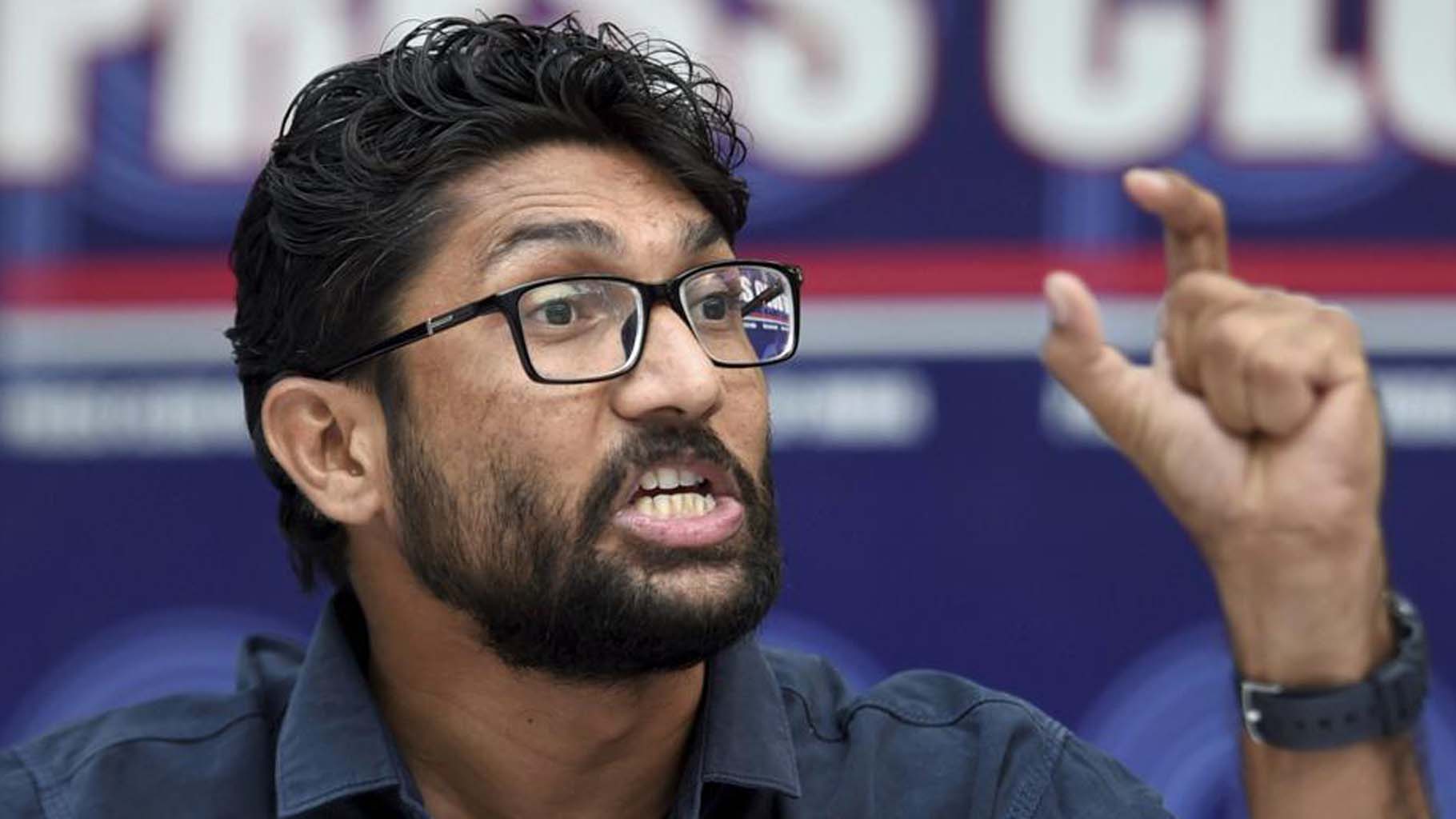
Mehsana (PTI): A magisterial court here on Thursday convicted Gujarat independent MLA Jignesh Mevani and nine others in a five-year-old case of holding an 'Azadi march' without permission and sentenced them to three months' imprisonment.
Additional Chief Judicial Magistrate J A Parmar held Mevani and nine others, including NCP functionary Reshma Patel and some members of Mevani's Rashtriya Dalit Adhikar Manch, guilty of being part of an unlawful assembly, under section 143 of the Indian Penal Code.
The court also imposed a fine of Rs 1,000 each on all the 10 convicts.
The Mehsana 'A' division police had lodged an FIR under IPC section 143 against Mevani and others for taking out the 'Azadi march' from Mehsana to Dhanera in Banaskantha district without permission in July 2017.
Reshma Patel, then a supporter of reservation for the Patidar community, was not a member of any political party when she took part in the march.
Of the total 12 accused named in the FIR, one had died, while one is still absconding, reports said.
Let the Truth be known. If you read VB and like VB, please be a VB Supporter and Help us deliver the Truth to one and all.
Congress using hijab issue to pacify minority anger, alleges Karnataka LoP R Ashoka
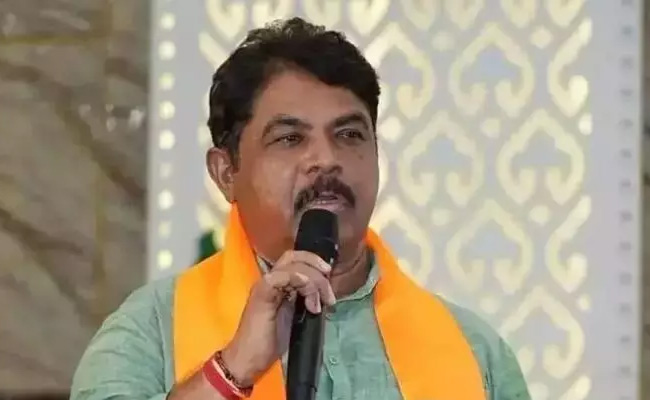
Bengaluru: Leader of Opposition in the Assembly R. Ashoka has accused the Congress government of using the hijab issue to placate what he described as discontent among minority voters after the Davanagere by-election.
In a post on X on Wednesday, Ashoka alleged that the state government, instead of addressing issues such as price rise, corruption, farmers’ distress and law and order, was attempting to retain its minority vote base by reviving the hijab issue.
Referring to the 2022 dress code introduced by the BJP government, which prohibited hijab in schools and colleges, Ashoka said the Karnataka High Court had upheld the policy and emphasised the importance of discipline in educational institutions.
He questioned the Congress government’s move to revisit the issue and asked whether setting aside the court-backed policy to benefit one community could be described as secularism.
Ashoka further alleged that while the government was willing to permit hijab, it continued to prohibit saffron shawls.
He accused the government of dividing students on religious lines rather than treating schools and colleges as spaces of equality.
Drawing a comparison with Mamata Banerjee’s government in West Bengal, Ashoka claimed that excessive appeasement politics had harmed the state and warned that the Congress in Karnataka could face a similar political response.
He said voters in Karnataka would teach the Congress a lesson for what he termed “vote-bank politics” and for compromising constitutional and judicial principles.