Modi govt wants to push country back to era of 'maharajas': Rahul slams MGNREGA repeal
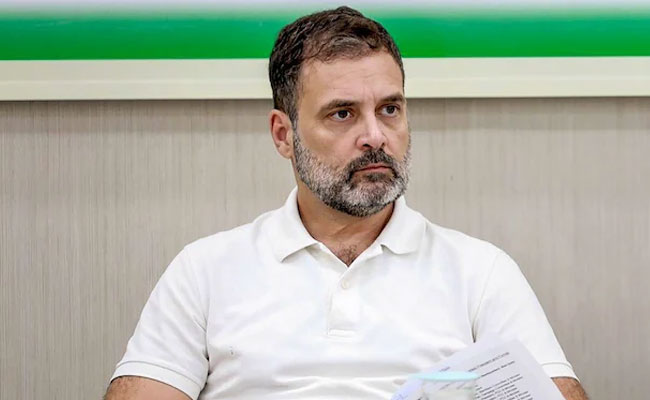
New Delhi (PTI): Congress leader Rahul Gandhi on Tuesday alleged that the motive behind Prime Minister Narendra Modi's “intent to destroy” MGNREGA is to strip workers of their right to negotiate wages, strip panchayats of their power, and push the country back to the era of kings when all power was concentrated in the hands of a few.
Gandhi shared a video of his recent interaction with MGNREGA workers on X and said the same workers who proclaimed that MGNREGA changed their lives were now saying that the Modi government is "enslaving workers".
In his post in Hindi accompanying the video, Gandhi said, "What is the motive behind Modi ji's intent to destroy MGNREGA? To strip workers of their right to negotiate daily wages; to strip panchayats of their power and tie their hands; to strip states of their authority and centralise power in Delhi; to push the country back to the era of kings and maharajas, where all power and wealth were concentrated in the hands of a few.”
“Minimum wages, a guarantee of year-round work, the right to work with freedom and dignity – these are what the country's millions of labourers were proclaiming in one voice: 'MGNREGA changed our lives'. It took decades to bring about these changes,” Gandhi, the Leader of Opposition in Lok Sabha, said.
“Today, those same labourers are saying – 'The Modi government is a government that enslaves workers',” he said.
In the video, an MGNREGA worker could be seen telling Gandhi that this government is "enslaving workers".
The MGNREGA workers talk about how the law helped them in providing livelihood security, but the government was intending to "destroy" the “transformative” initiative.
The Congress has been demanding that the government withdraw the new Viksit Bharat - Guarantee for Rozgar Ajeevika Mission (Gramin) or VB-G RAM G Act and fully restore the UPA-era MGNREGA.
On January 10, the Congress launched the 'MGNREGA Bachao Sangram', a 45-day nationwide campaign against the repeal of the UPA-era Mahatma Gandhi National Rural Employment Guarantee Act (MGNREGA).
Let the Truth be known. If you read VB and like VB, please be a VB Supporter and Help us deliver the Truth to one and all.
Unidentified men set fire to TVK campaign office near Srirangam
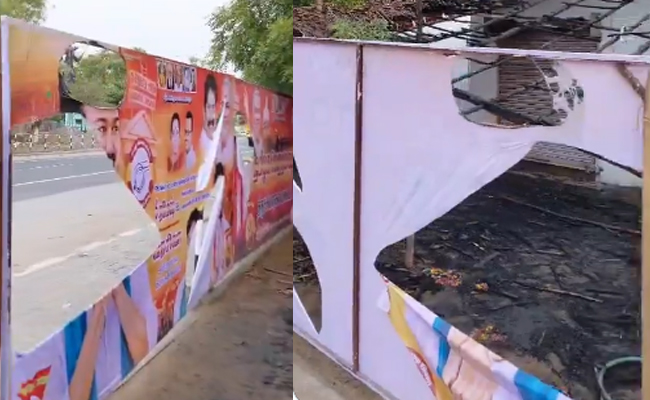
Tiruchirapalli (PTI): A campaign office of the actor Vijay-led TVK was allegedly torched by unidentified miscreants in Kamanayakkanpalayam village near Srirangam in the early hours of Friday, police said.
According to the police, the damage is minimal. Fire had engulfed the thatched roof providing shade at the entrance of the building that served as the party’s election office for the Srirangam constituency.
While on social media, a CCTV footage of two unidentified men fleeing on motorbike is being circulated as the culprits, police said the video footage is yet to be verified.
Based on a complaint lodged by TVK, the Pettaivaithalai Police have registered a case and initiated a search for the perpetrators.
திருவரங்கம் தொகுதியில் த.வெ.க வேட்பாளரின் தேர்தல் அலுவலகம் மர்ம நபர்களால் தீவைக்கப்பட்டு சேதப்படுத்தப்பட்டுள்ளது. @TNelectionsCEO @ECISVEEP#TVKVijay #தமிழகவெற்றிக்கழகம் pic.twitter.com/ImDZfTkuAq
— Thanjavur_District_Head (TVK) (@TVK_Thanjai) May 1, 2026