Modi launches revival of Talcher fertiliser plant
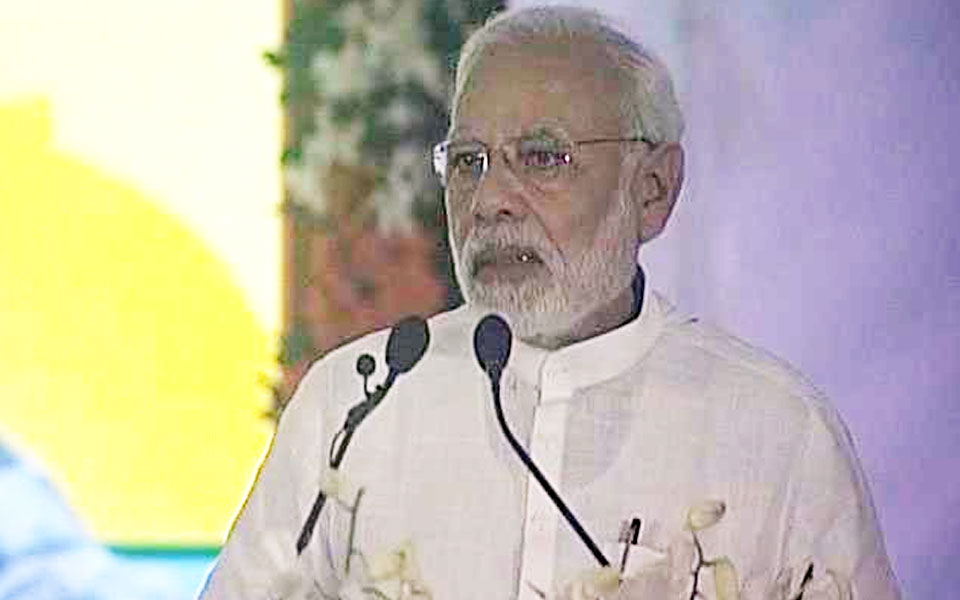
Bhubaneswar, Sep 22 : Prime Minister Narendra Modi on Saturday said the revival of the Talcher fertiliser plant in Odisha will create huge job opportunities while making the country self-sufficient in fertiliser production.
The Talcher plant will start production in 36 months with an investment of Rs 13,000 crore, said Modi.
Launching the revival work for the country's first coal gasification-based fertiliser plant, Modi said: "Around 4,500 people will be employed in the region."
It would also reduce India's dependency on importing gas and urea, he added.
"Odisha had lost hope of the fertiliser plant but we did it despite several hurdles. We vowed that with new energy and new speed, we will take the country to a new height," Modi said in Talcher as he addressed the public.
The plant is being developed by Talcher Fertilisers Limited (TFL), a joint venture of GAIL (India) Limited, Coal India Limited (CIL), Rashtriya Chemicals and Fertilizers Limited (RCFL) and Fertilizer Corporation of India Limited (FCIL).
The project would have an output of 1.27 Million Metric Tonnes Per Annum (MMTPA) of 'Neem' coated prilled urea using coal and petcoke as feedstock.
The plant, targeted to be commissioned by 2022, will ensure easy availability of urea in Odisha as currently there is no urea plant in the state.
Chief Minister Naveen Patnaik, also present on the occasion, thanked the Prime Minister and assured him of all support from the state government.
Let the Truth be known. If you read VB and like VB, please be a VB Supporter and Help us deliver the Truth to one and all.
CEC orders immediate arrest of those involved in post-poll violence in Bengal: Official
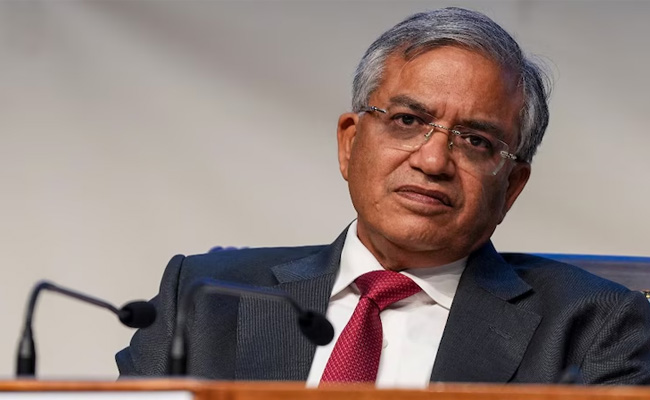
Kolkata (PTI): Chief Election Commissioner Gyanesh Kumar directed the authorities concerned to immediately arrest those involved in post-poll violence and vandalism in West Bengal, an official said on Wednesday.
The Election Commission's directive came after two persons were killed in alleged incidents of post-poll violence in the state on Tuesday, besides scores of party offices being ransacked.
The CEC issued instructions to the West Bengal chief secretary, director general of police, Kolkata police commissioner and directors general of central armed police forces, along with all district magistrates, superintendents of police and other officials, to maintain continuous patrolling in sensitive areas, he said.
"Those responsible for inciting violence and carrying out acts of vandalism must be arrested immediately," the official said, quoting the CEC's instruction.
The chief election commissioner also stressed the need for swift and firm enforcement of the law, he added.
This directive came amid concerns over law and order in parts of the state, with the Election Commission closely monitoring the situation, he added.
"We have been asked to remain on high alert and ensure that any attempt to disturb peace is dealt with firmly," a senior police officer said.
The state authorities have intensified vigil across districts, with coordinated efforts between the police and central forces to prevent any untoward incident, he added.
The assembly elections were held in West Bengal in two phases - April 23 and 29. The counting of votes took place on May 4.
The BJP sealed a landslide victory with 207 seats in the 294-member assembly, ending the TMC's uninterrupted 15-year rule in the state.