MP: 3-year-old girl suffering from brain tumour dies after 'Santhara' ritual in Jainism

Indore, May 4 (PTI): A three-year-old girl suffering from brain tumour died after her parents initiated her into the Jain religious practice of fasting unto death as advised by a spiritual leader in Madhya Pradesh's Indore.
The girl, Viyana Jain, who was their only child, breathed her last on March 21, her parents said.
Santhara, also known as Sallekhana, is a Jain ritual of voluntarily fasting unto death. As per this practice, a person gradually reduces his or her intake of food and water until death as a means of achieving spiritual purification and detachment from the world.
According to her parents, the Golden Book of World Records has taken note and issued a certificate in the name of Viyana for being "the youngest person in the world to vow the Jain ritual Santhara".
Her parents, who work as Information Technology (IT) professionals, say that they decided to make their daughter take the Santhara vow after being advised by a Jain muni (monk).
Talking to PTI on Saturday, Piyush Jain, the girl's father, said, "My daughter was diagnosed with brain tumour in January this year. She underwent a surgery, following which her health improved. But in March, her condition deteriorated and she started facing difficulty in consuming food and drinking."
On the night of March 21, he took his seriously ill daughter along with his family members to Jain monk Rajesh Muni Maharaj for darshan.
"Maharaj ji saw my daughter's condition and told us that the girl's end is near and she should be given the Santhara vow. This fast holds a lot of significance in Jainism. After thinking about it, we finally agreed to go for it," he said.
Jain said that his daughter died within a few minutes of the monk completing the religious rituals of Santhara.
He also said the Golden Book of World Records registered his daughter's name and issued a certificate of world record in which her name was mentioned as "the youngest person in the world to vow the Jain ritual Santhara".
Her mother Varsha Jain said, "I cannot describe how difficult the decision was to make my daughter take the Santhara vow. My daughter was suffering a lot due to the brain tumour. It was very painful for me to see her in this condition."
Remembering Viyana, her mother turned emotional and said, "I want my daughter to always be happy in her next birth."
In the religious terminology of the Jain community, Santhara is also called 'Sallekhana' and 'Samadhi Maran'. Under this ancient practice, a person gives up food, water and worldly things to embrace death when he or she feels that the end has come.
The debate over Santhara in legal and religious circles intensified in 2015 when the Rajasthan High Court declared the practice a punishable offence under sections 306 (abetment to suicide) and 309 (attempt to suicide) of the Indian Penal Code.
However, the apex court, while hearing petitions filed by various religious bodies of the Jain community, stayed the Rajasthan High Court order.

Parents display a certificate recognising their three-year-old daughter, named Viyana Jain, as a world record holder for undertaking 'Santhara', the Jain ritual of fasting unto death, issued by the Golden Book of World Records, in Indore. Viyana Jain was suffering from a terminal brain tumor. (PTI Photo/Harshwardhan Prakash)
Let the Truth be known. If you read VB and like VB, please be a VB Supporter and Help us deliver the Truth to one and all.
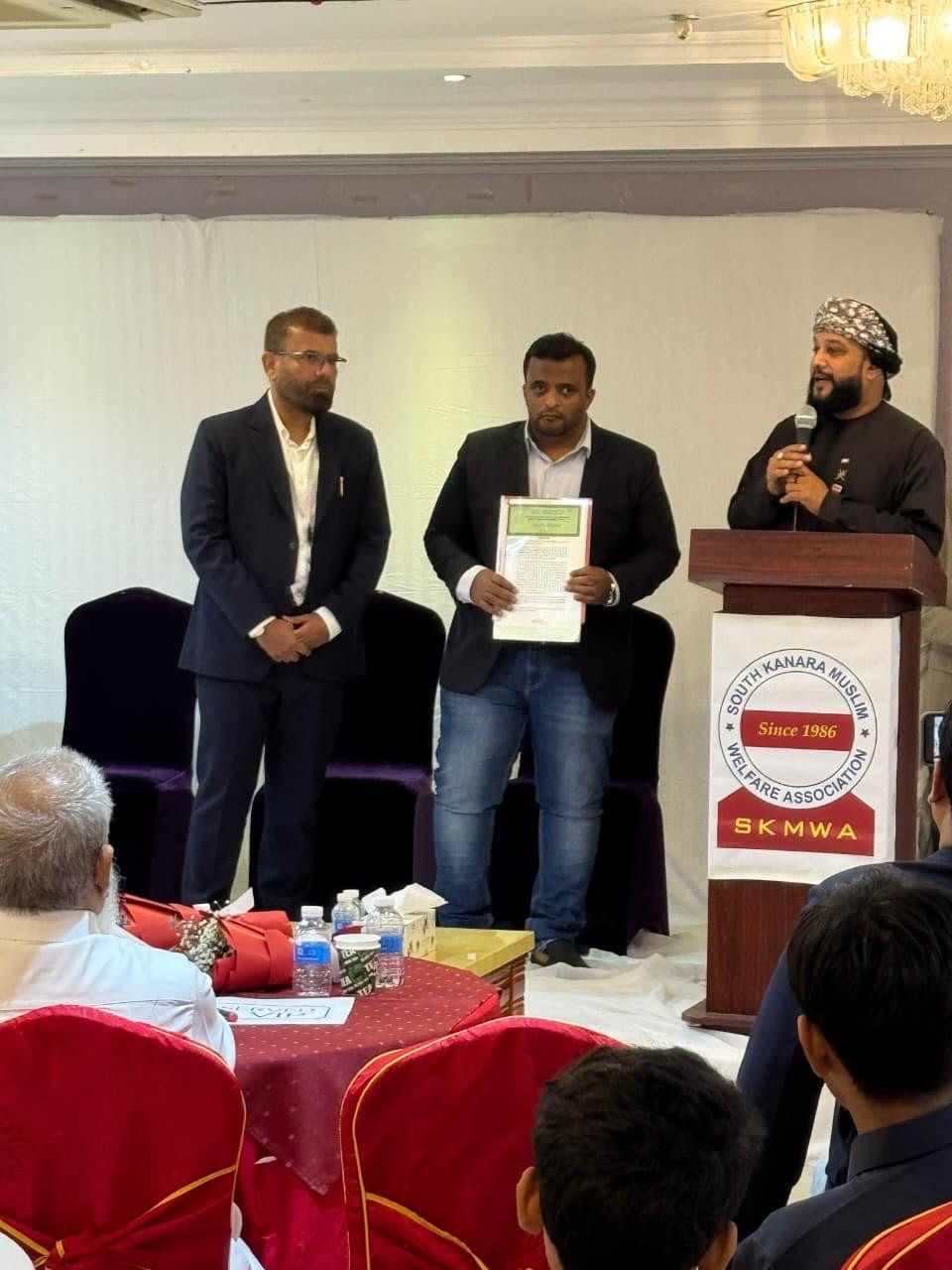
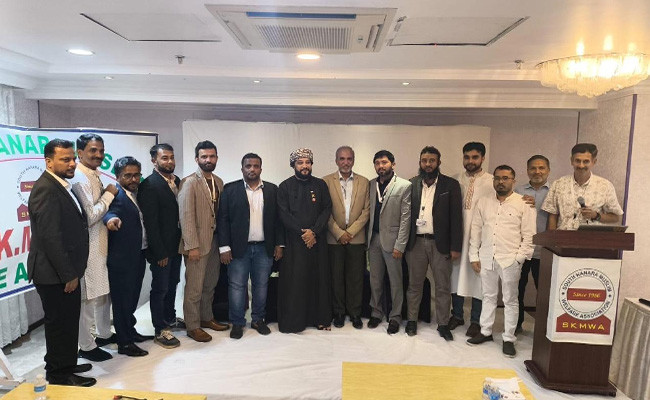
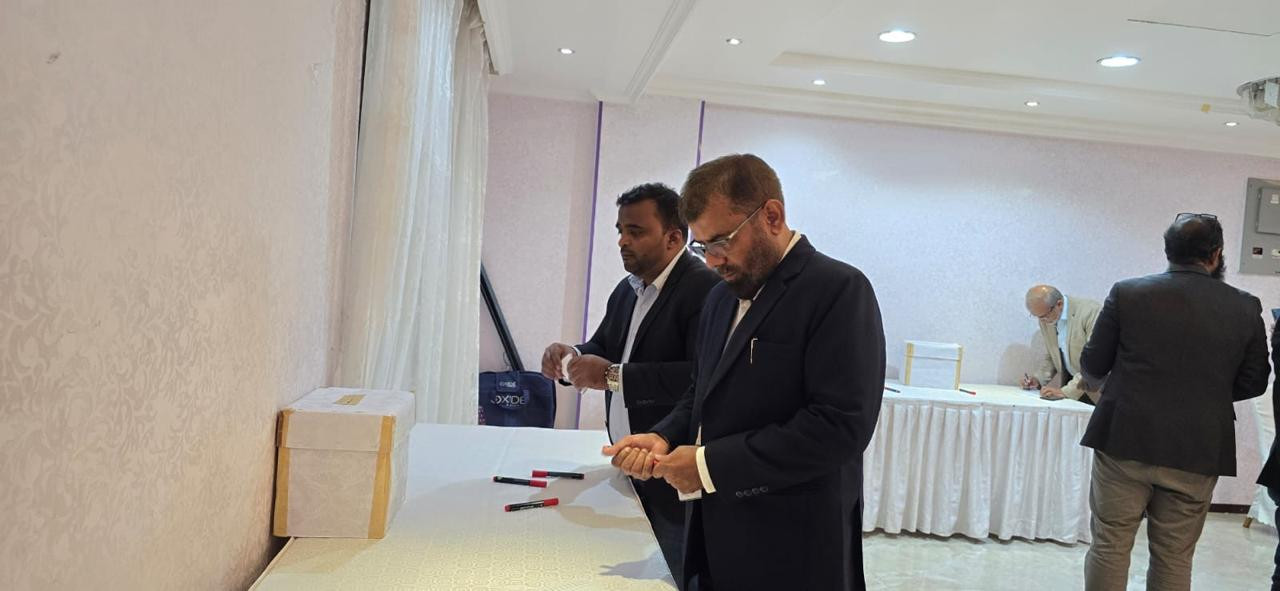
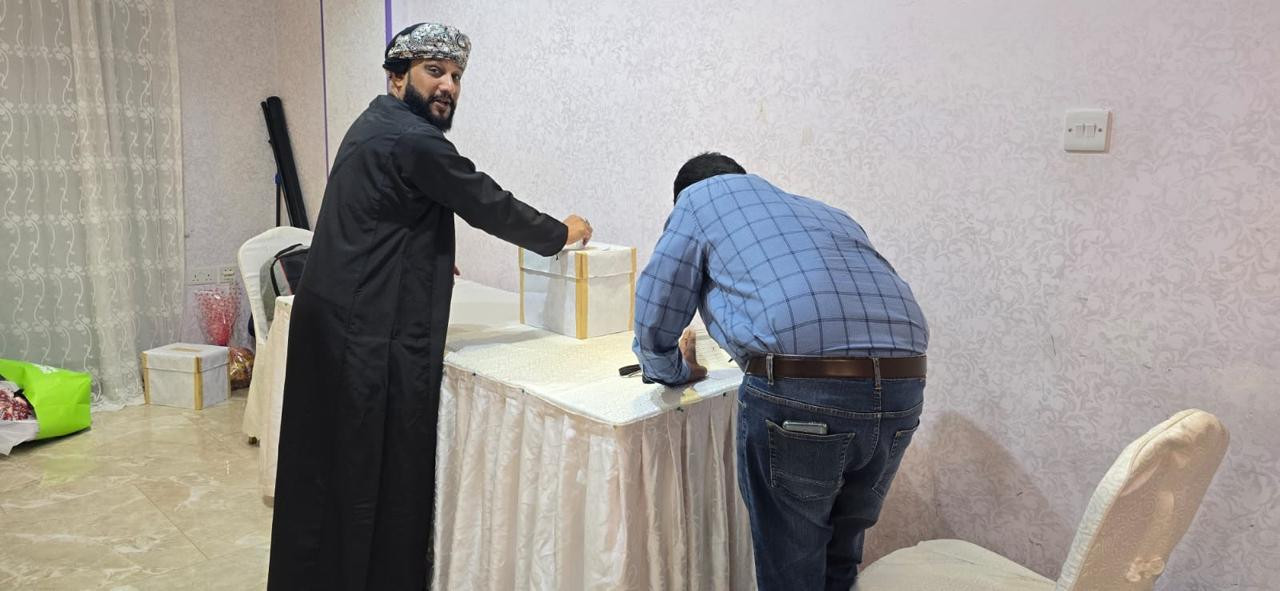
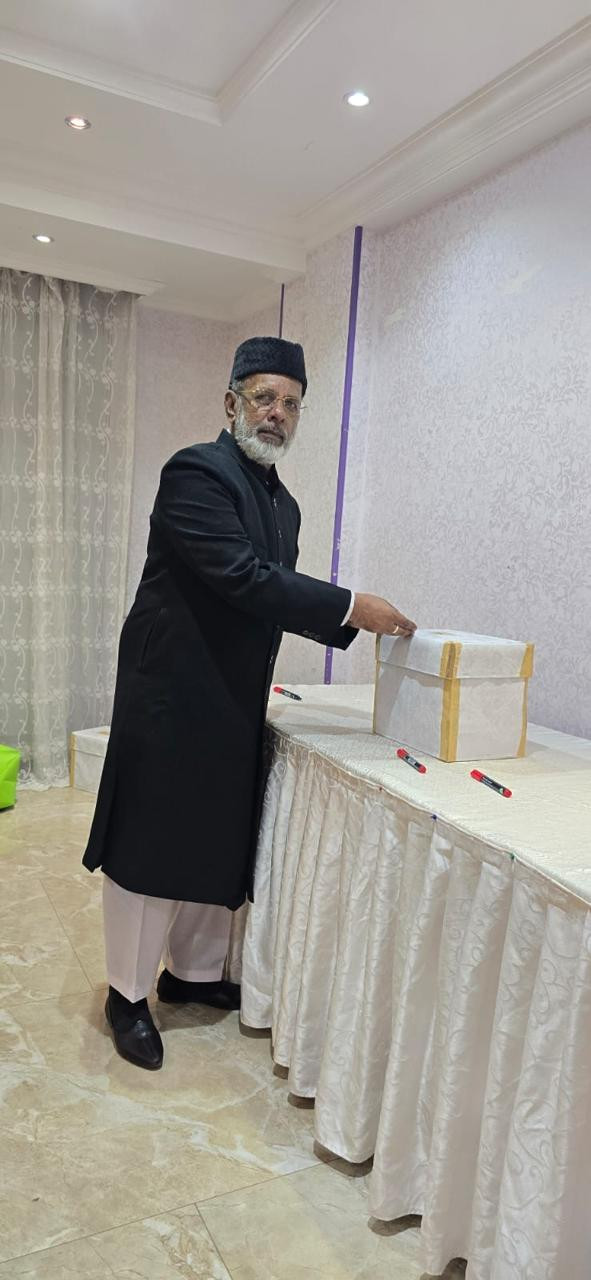
Sameer Ahmed elected President of SKMWA Muscat for 2026–2027
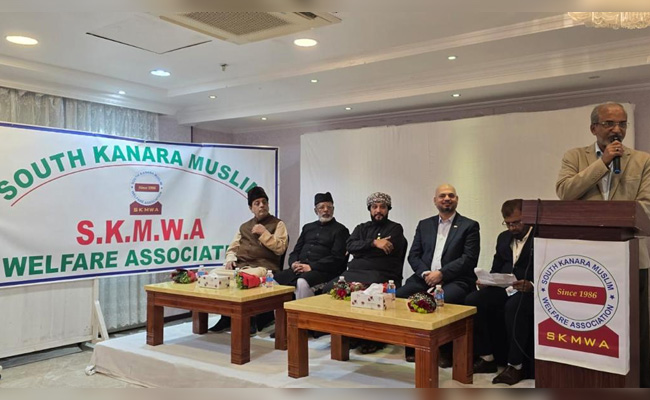
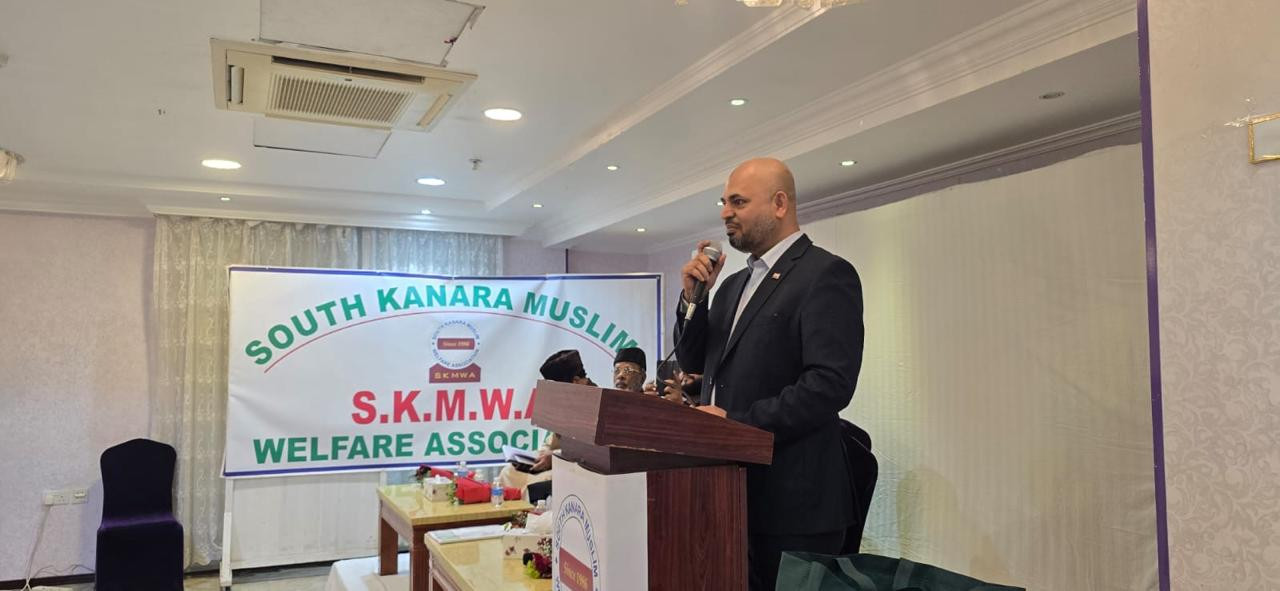
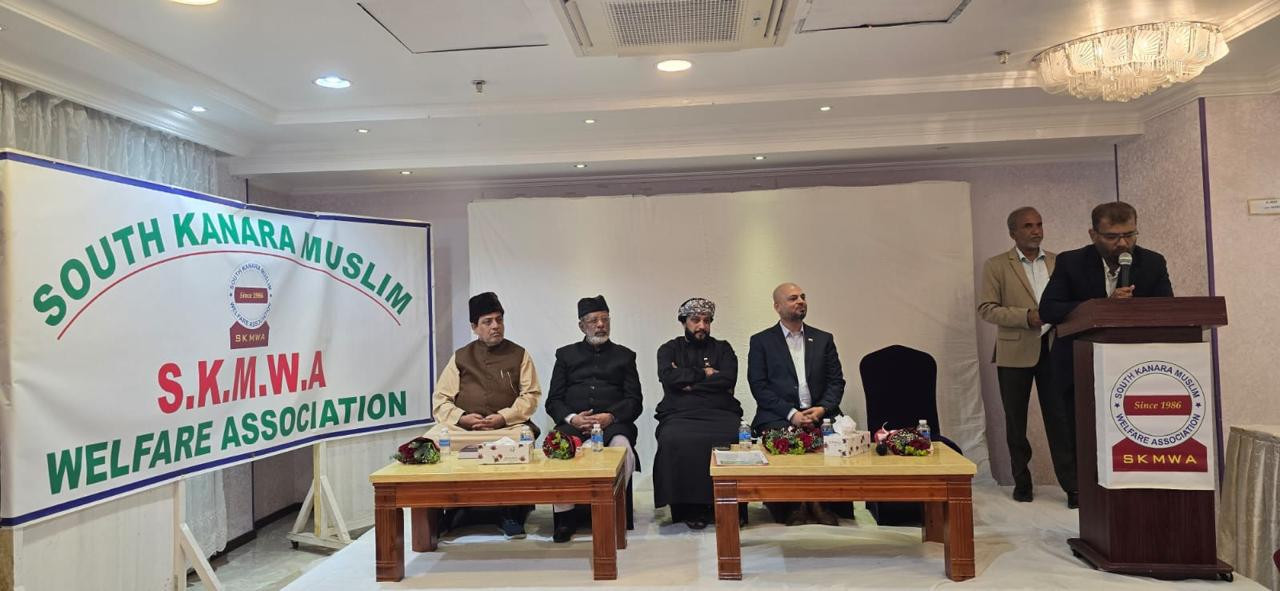
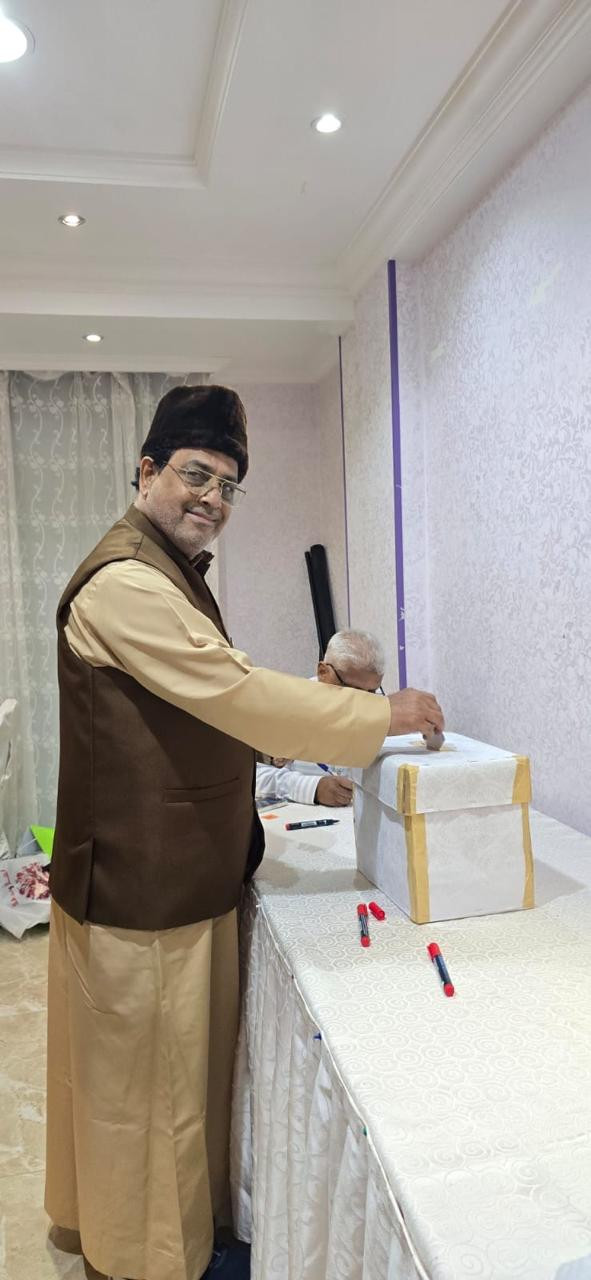
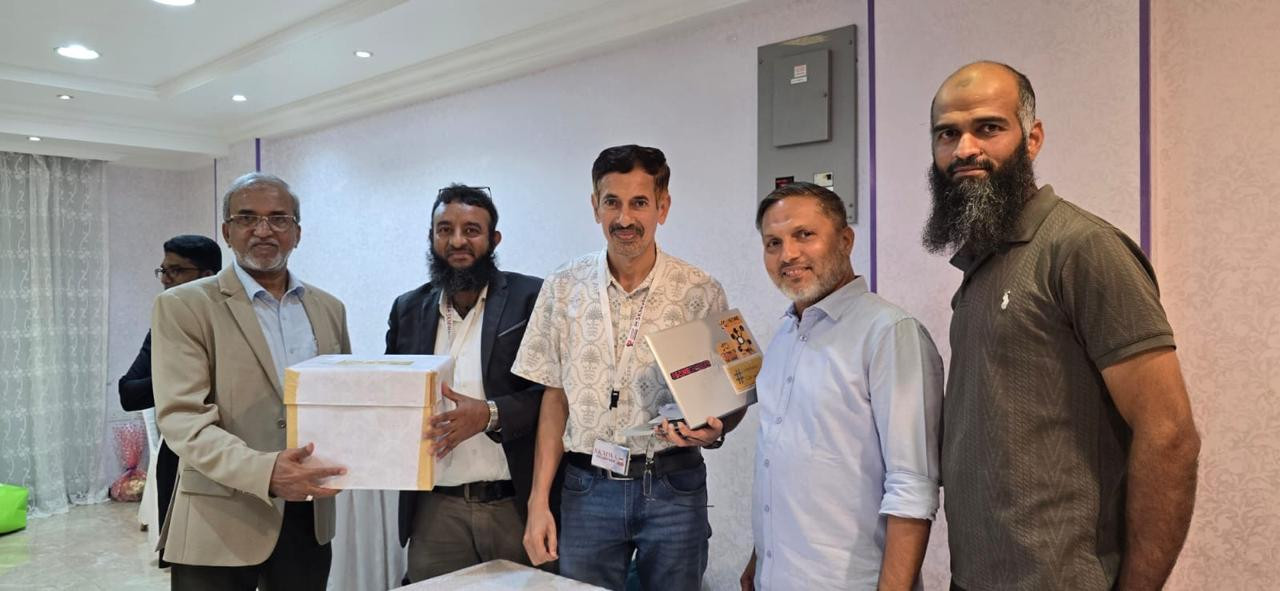
Muscat: Sameer Ahmed, a native of Udupi and currently employed in a private company in Muscat, has been elected President of the South Kanara Muslim Welfare Association (SKMWA), Muscat, for the 2026–2027 term.
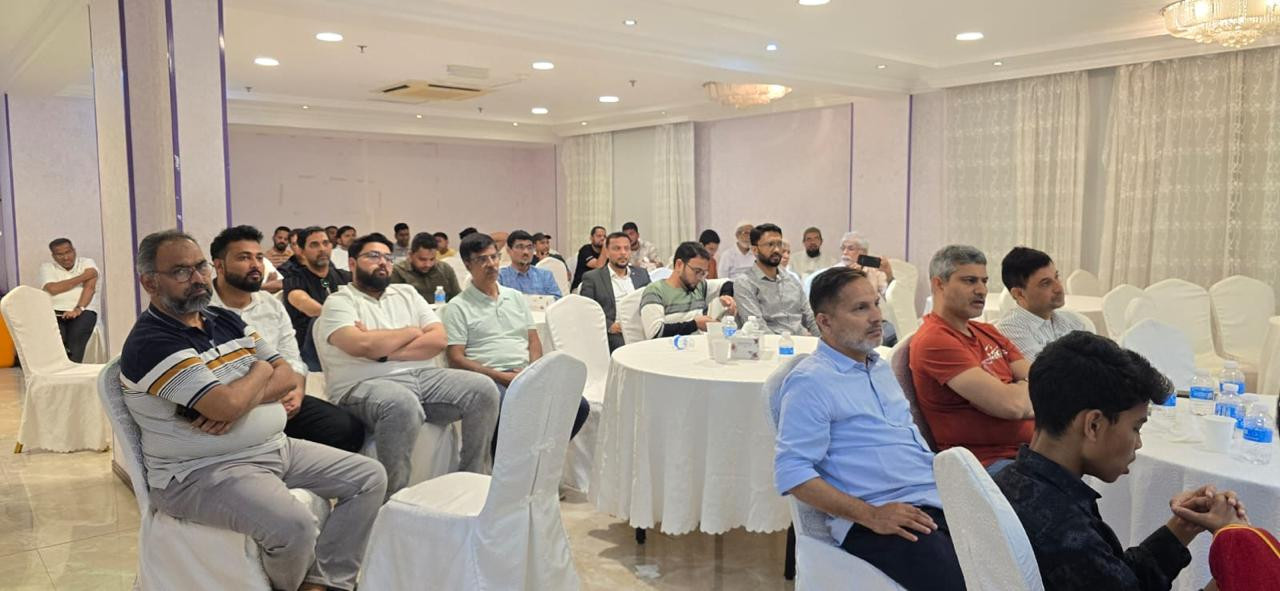
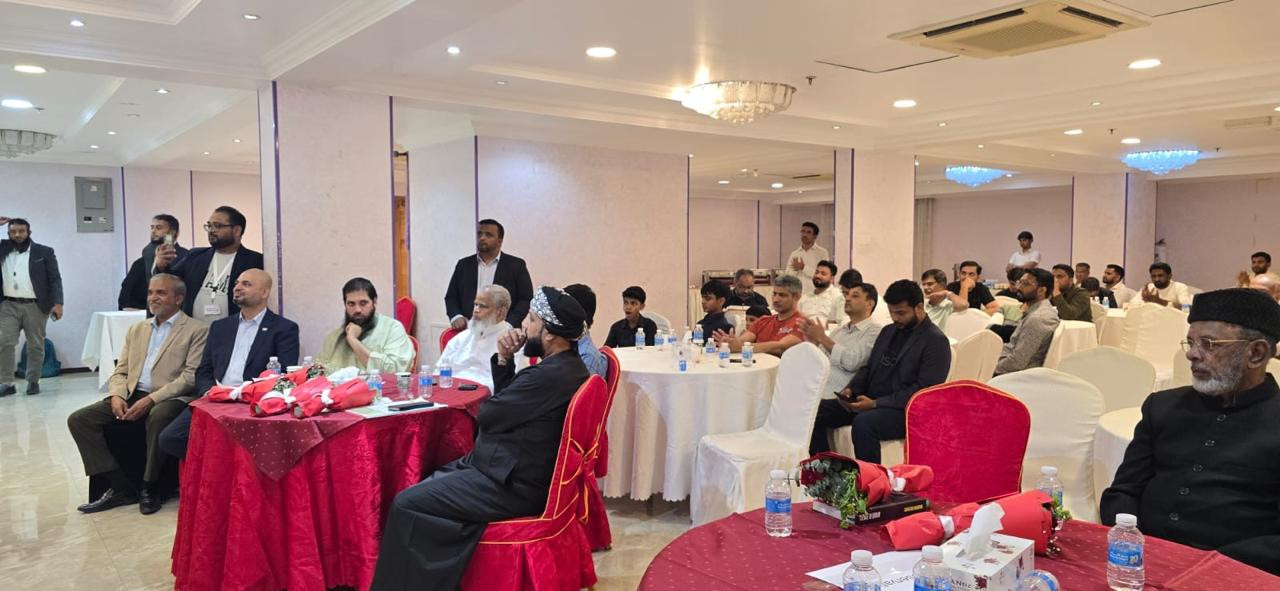
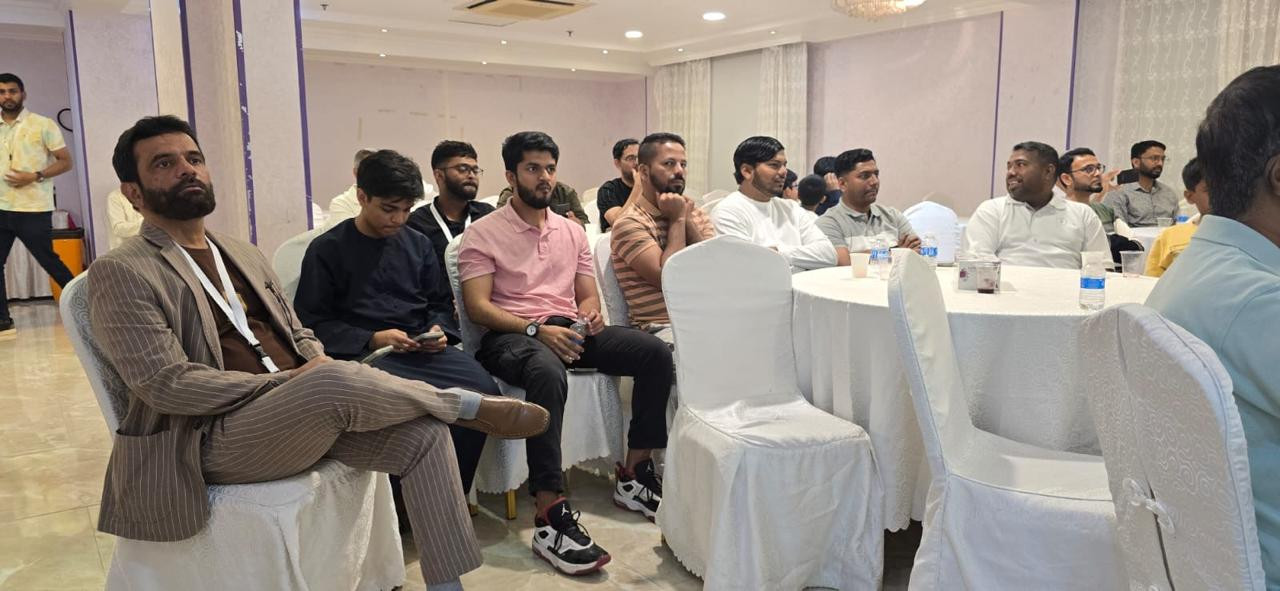
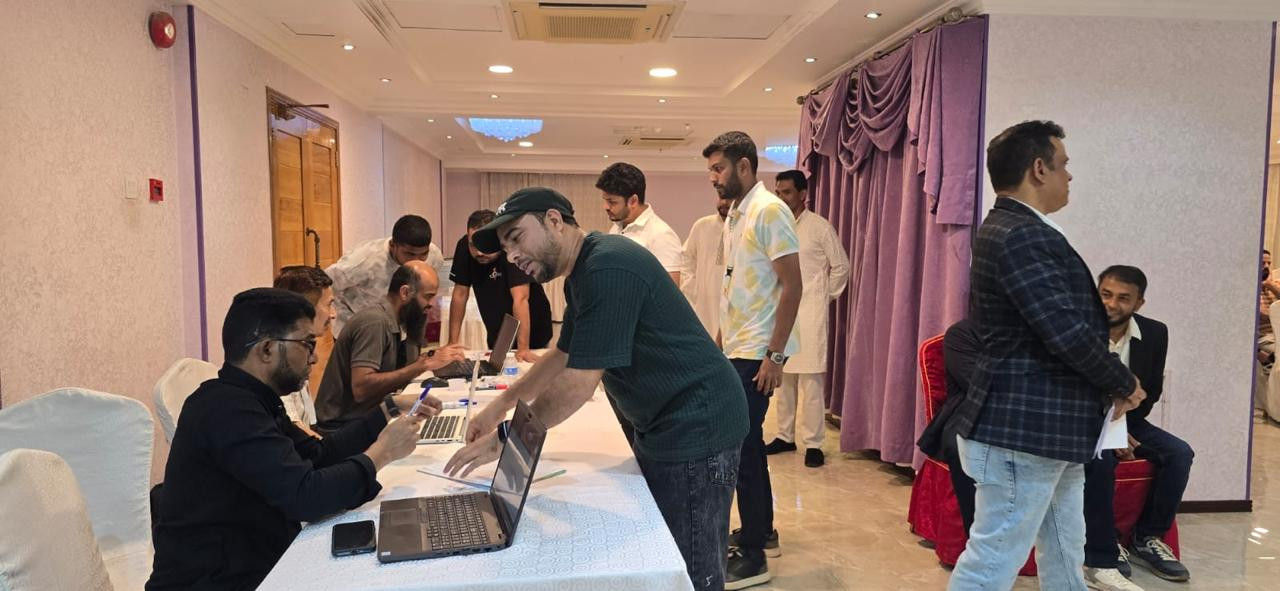
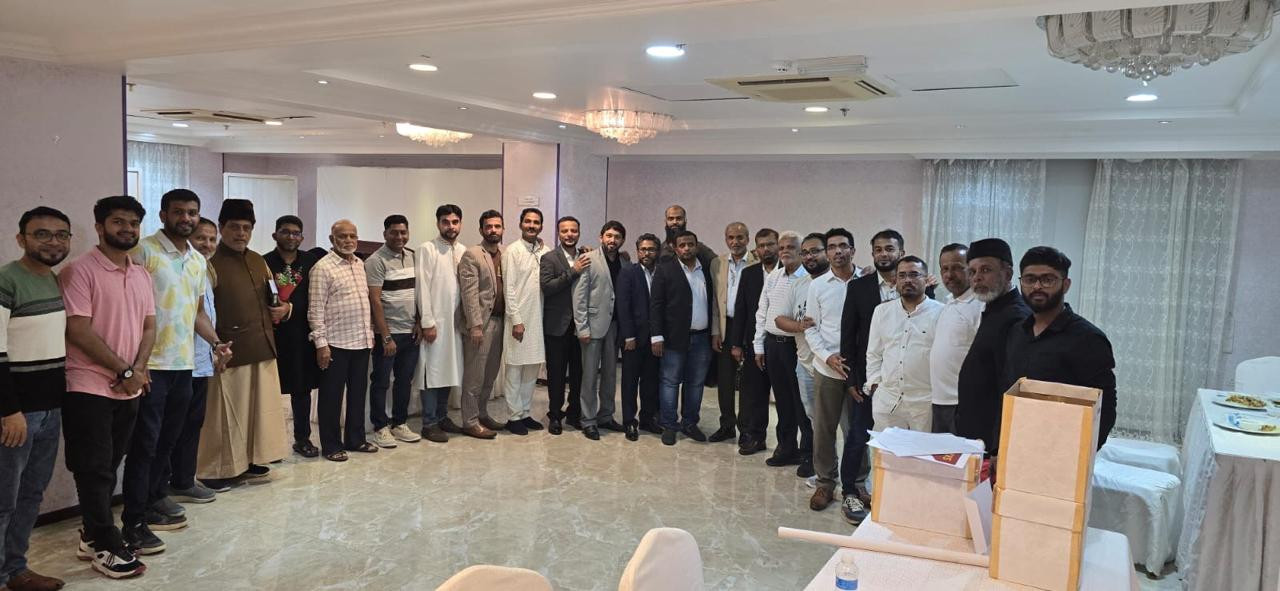
The election was conducted during the association’s Annual General Body Meeting held at Al Reef Hotel, Muscat, in the presence of chief guests Adil Shaikh, Monabba, Shareef, and Sahebzada Mehmood.
The newly elected office bearers include Vice Presidents Mohd Arif (Udupi) and Niyaz Mohammed (Mangalore), General Secretary Jaseem Basha (Kundapura), Joint Secretaries Rizwan Ali (Udupi) and Zaheer Hussain (Moodbidri), Treasurer Tajuddin Sheikh (Tonse), Assistant Treasurer Irfan Ahmed (Udyavara), Finance Secretary Mohammed Asif Gafur (Karkala), Assistant Finance Secretary Mohammed Akif Gafoor (Karkala), and Auditor Ashraf Ali (Kaup).
The Core Committee includes Event Coordinators Ansar Katipalla and Adil Moodbidri, and Sports Coordinators Ashpak Basrur and Muneer Ahmed (Sastan).
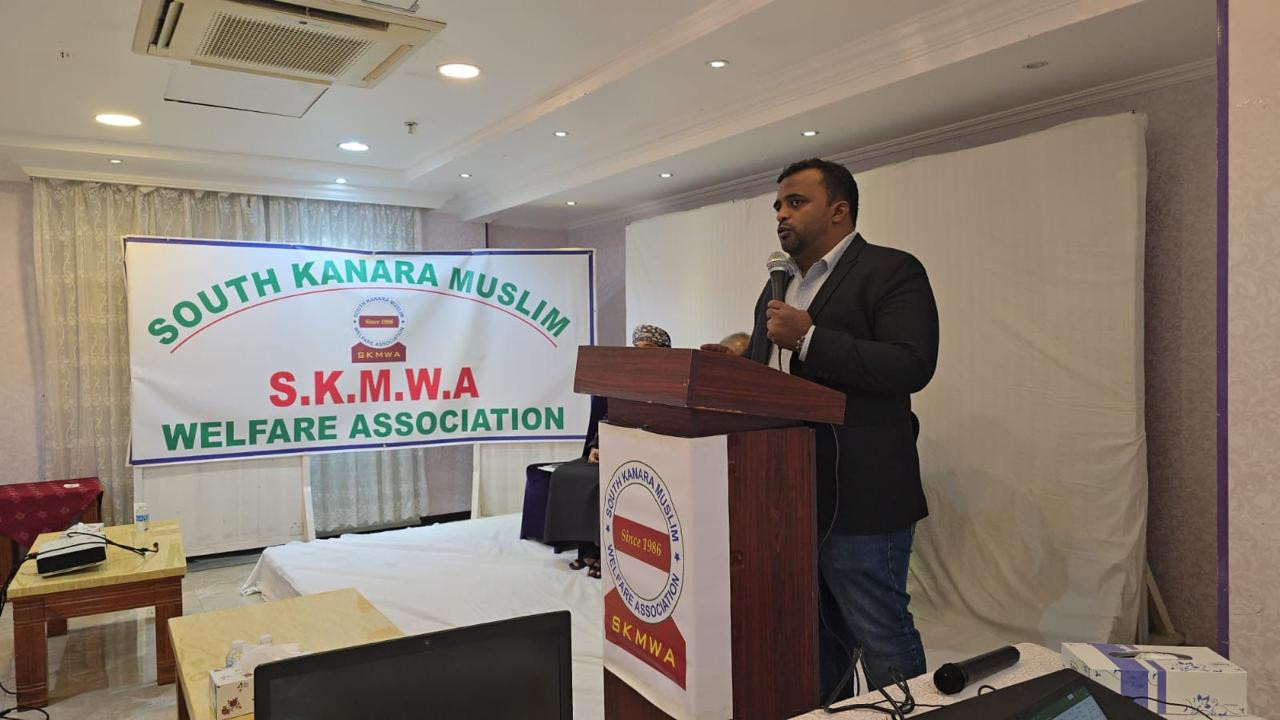
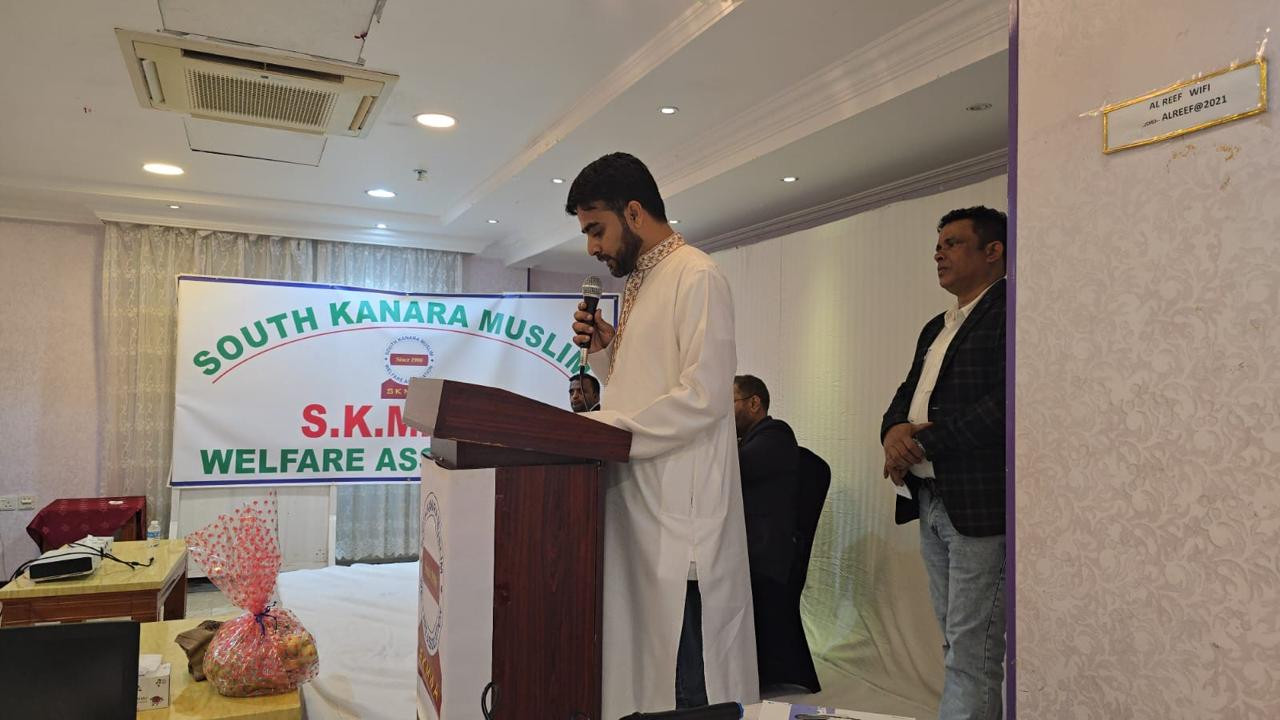
The programme commenced with a recitation from the Holy Quran by Zaid Asif. The Annual Activity Report for 2025 was presented by Sameer Ahmed, while the financial report was delivered by Mohammed Asif Gafoor and verified by Auditor Ashraf Ali.
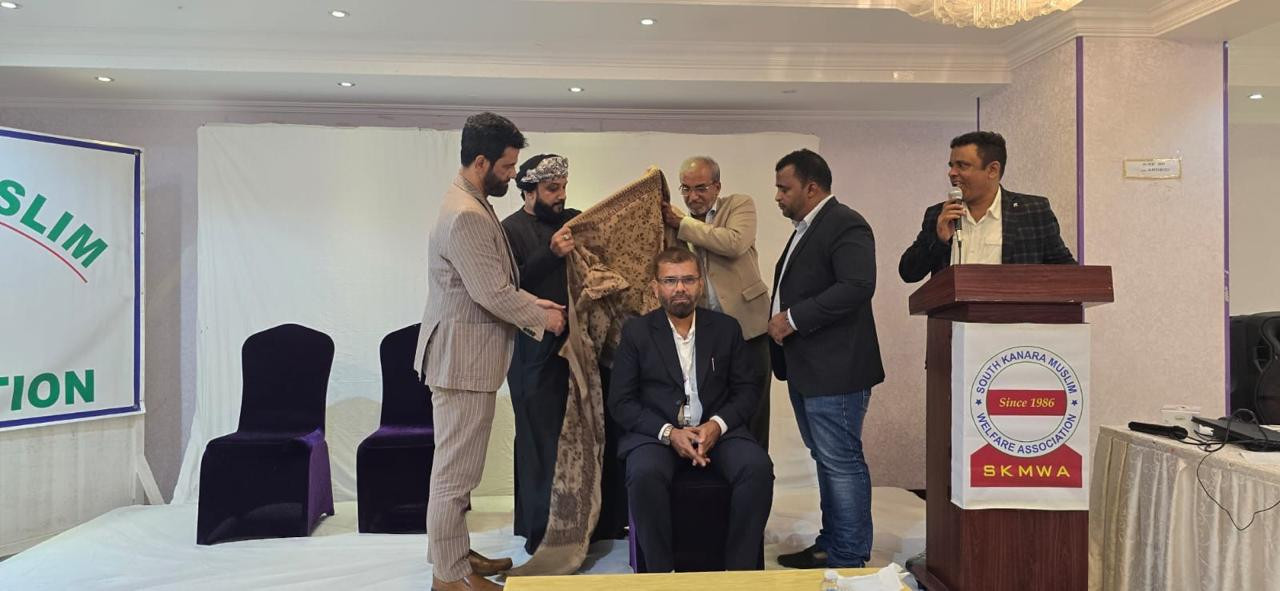
Former president Azim was felicitated by Syed Mohiddin Saheb during the event.
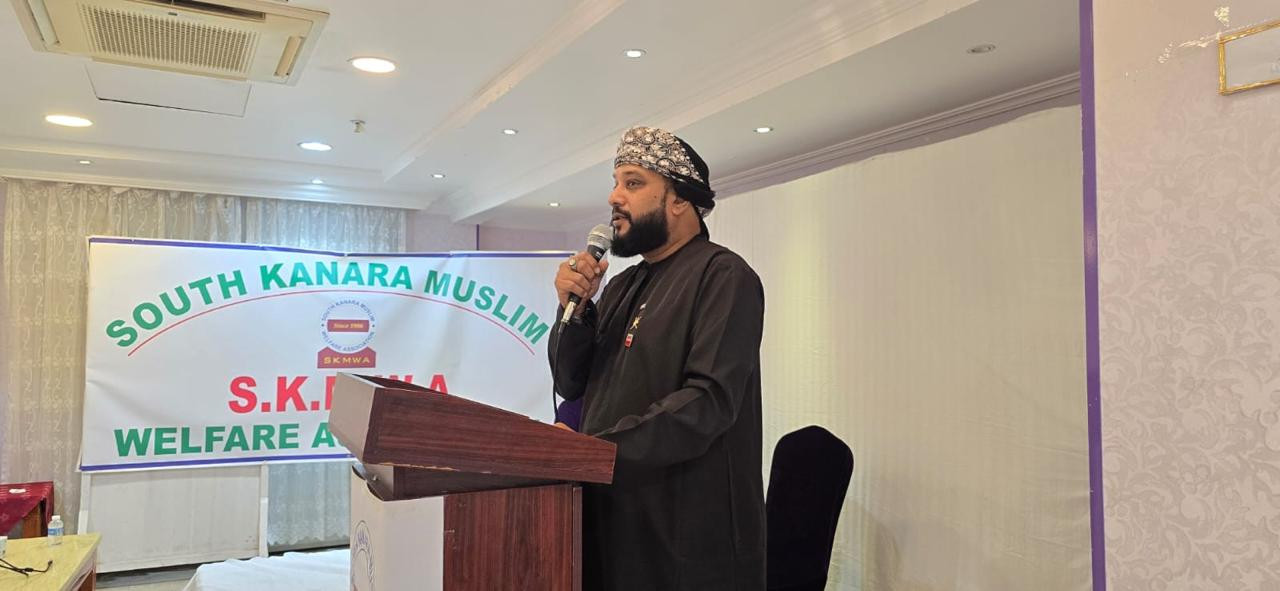
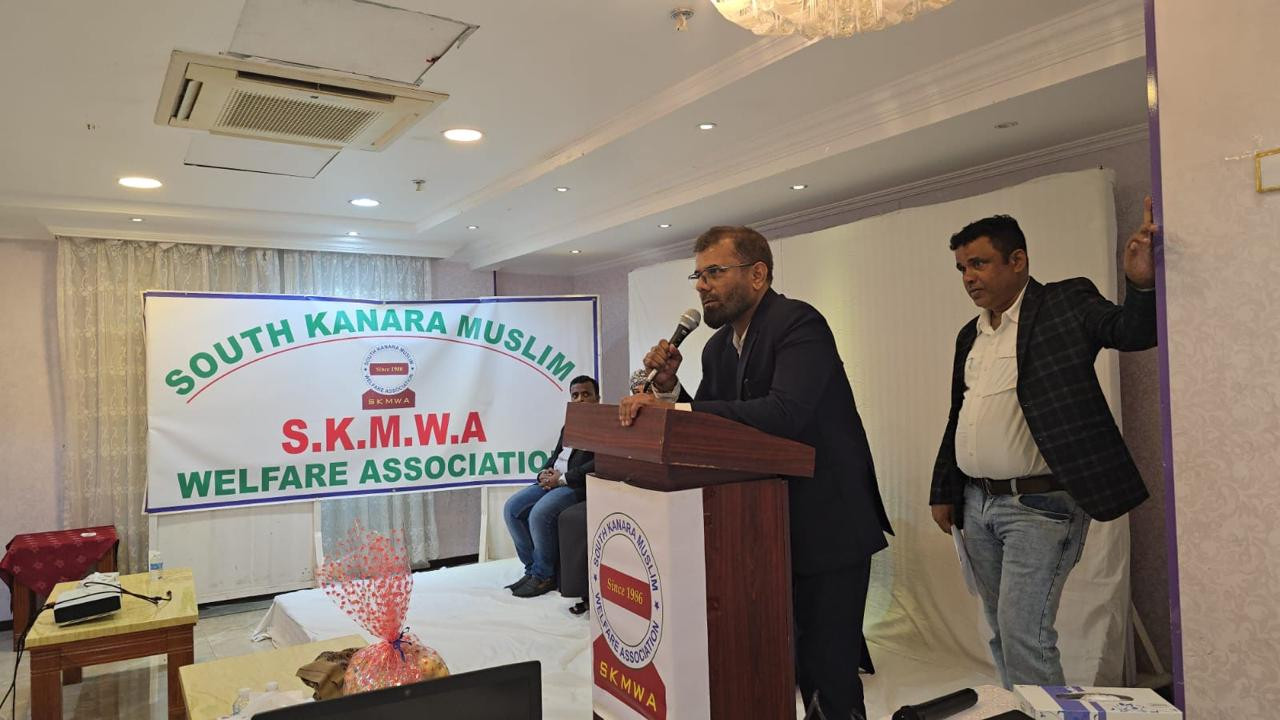
The meeting concluded with an address by the newly elected president, followed by a vote of thanks proposed by General Secretary Jaseem Basha. The programme was coordinated by Syed Mohiddin Saheb (Sastan) and Ansar Katipalla.