MP: More than 100 hospitalised, mostly children, from use of calcium carbide guns during Diwali
Bhopal, (PTI): More than 100 persons, most of them children aged between 8 and 14, were hospitalised in Bhopal and neighbouring Vidisha district in Madhya Pradesh due to injuries sustained after using calcium carbide guns on Diwali, officials said on Thursday.
While 60 are admitted in government hospitals in the state capital, 50 are recuperating in facilities in Vidisha, including five with eye injuries, they added.
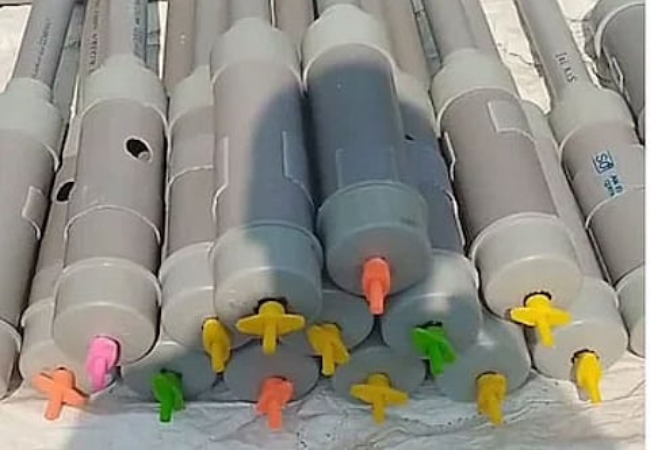
"These crude guns, made using a gas lighter, a plastic pipe, and calcium carbide, are in vogue this Diwali. The calcium carbide in the gun produces acetylene gas when it meets water and explodes upon contact with a spark," an official explained.
Small plastic fragments ejected from the pipe, like shrapnel, cause serious injuries and damage to various parts, especially the eyes, face, and skin, he said.
Bhopal’s Chief Medical Health Officer (CMHO) Manish Sharma told PTI Videos, “Carbide pipe guns are very dangerous. The 60 people injured by the use of these guns are still being treated in hospitals in the state capital. All are safe.”
Five persons are being treated at Seva Sadan Hospital, while others are admitted to Hamidia Hospital, JP Hospital, and the All India Institute of Medical Sciences (AIIMS), he added.
More than 150 cases were reported across Bhopal the day after Diwali, though many were discharged after first aid, another official said.
"Doctors at AIIMS are trying to restore the eyesight of a 12-year-old. Similar treatment is underway for two children in Hamidia Hospital, which has 10 children admitted at present," he added.
R K Sahu, head of ophthalmology department at Vidisha District Hospital, said 50 people were injured in the district due to carbide gun fire, and efforts are underway to restore the vision of five of them.
He added that 10 patients have been admitted to the district hospital in the past two days.
Dr. S C L Chandravanshi, head of the ophthalmology department at Vidisha Medical College, said 17 patients were admitted to the medical college on Tuesday and three on Wednesday, and all are undergoing treatment.
"One child underwent eye surgery due to serious injuries. Efforts are being made to restore the child's vision," he said, adding remaining patients are admitted to various private hospitals in the district.
Rupali Jain, an ophthalmologist at a private hospital, said 20 patients have been admitted to her hospital for treatment in the past two days.
Talking to PTI Videos, the families of 14-year-old Hemant Panthi and 15-year-old Aris, who are receiving care at Hamidia Hospital, blamed the administration for the availability of carbide guns.
"Such guns should not be sold in the market in the first place. Strict action should be taken against those who manufacture and sell these guns. Compensation should be provided to cover the children’s medical expenses," said Aris’ father Sarikh Khan.
CMHO Sharma said the administration is continuously taking action against those who manufacture and sell carbide guns.
Vidisha Superintendent of Police Rohit Kashwani said 228 plastic carbide guns and 102 carbide packets were seized and a dozen people were detained and were being interrogated.
Madhya Pradesh Chief Minister Mohan Yadav, in a meeting with officials on October 18, had instructed district magistrates and police officers to ensure carbide pipe guns are not sold. However, they were sold rampantly in the markets, sources admitted.
Let the Truth be known. If you read VB and like VB, please be a VB Supporter and Help us deliver the Truth to one and all.
Trump says he ‘hasn’t even thought about’ continuing Iran ceasefire
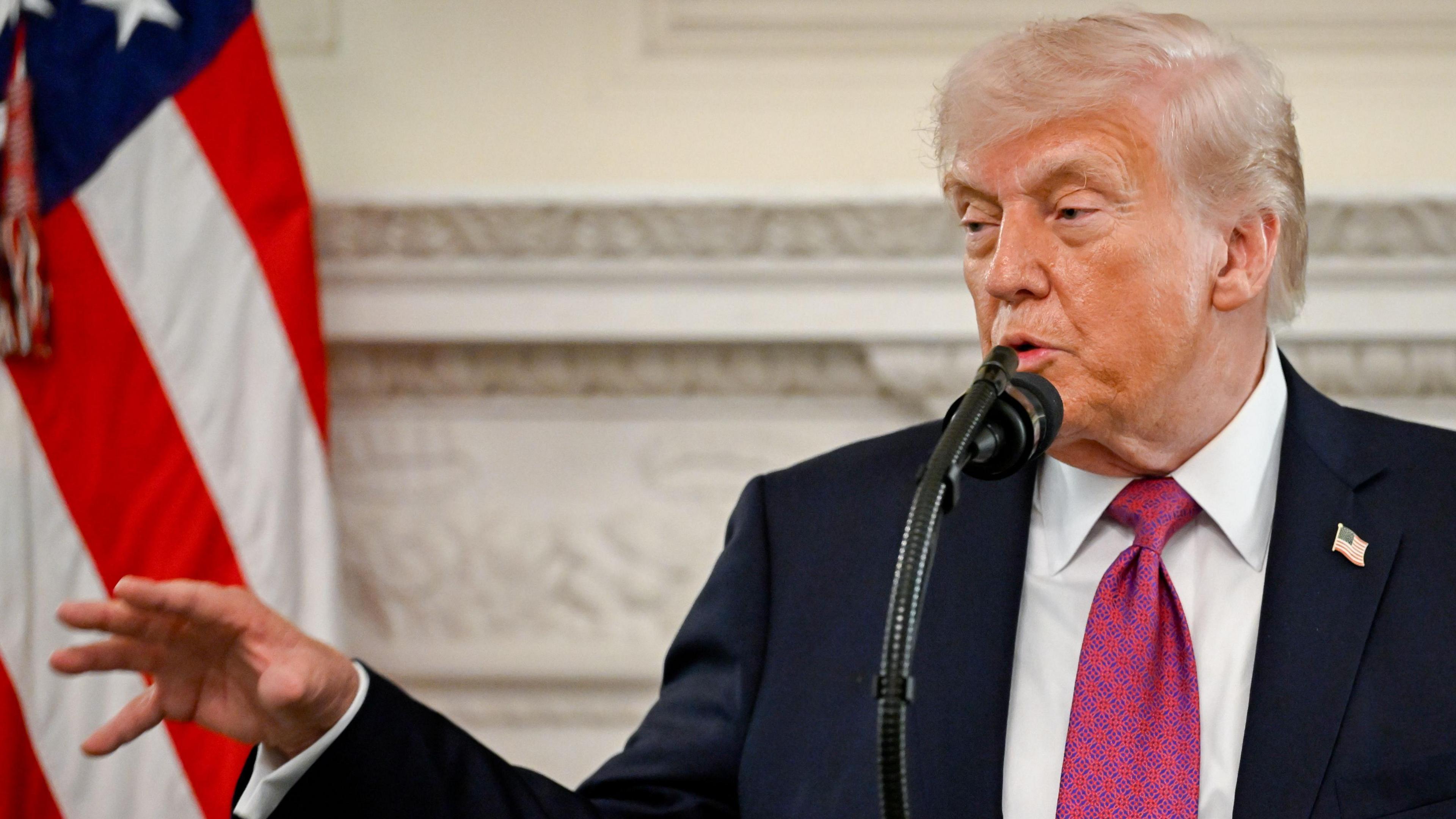
Washington: US President Donald Trump has said he has not yet considered whether he would continue the ceasefire involving Iran, while also claiming the United States holds the advantage in negotiations.
Speaking to reporters, Trump said he was prepared to make a deal with “whoever is running the show” in Iran.
“They are fighting with each other, there’s tremendous infighting. They’re probably fighting for leadership in many cases. I think they’re fighting not to be leader because we knocked out two levels of leaders,” he said.
Trump added, “When they want they can call me. We have all the cards, we’ve won everything.”
Referring to ongoing negotiations, he said, “They gave us a paper that should’ve been better. And, interestingly, immediately when I cancelled it [envoy trip to Pakistan], within 10 minutes we got a new paper that was much better.”
“We talked about they will not have a nuclear weapon, very simple … They offered a lot, but not enough,” he added.
When asked whether he would continue the ceasefire, Trump replied, “I haven’t even thought about it.”
The remarks come as uncertainty remains over the future of the temporary truce and broader negotiations between Washington and Tehran.