Mulayam Singh not with SP from heart, his blessings are with his daughter-in-law's party: BJP leader
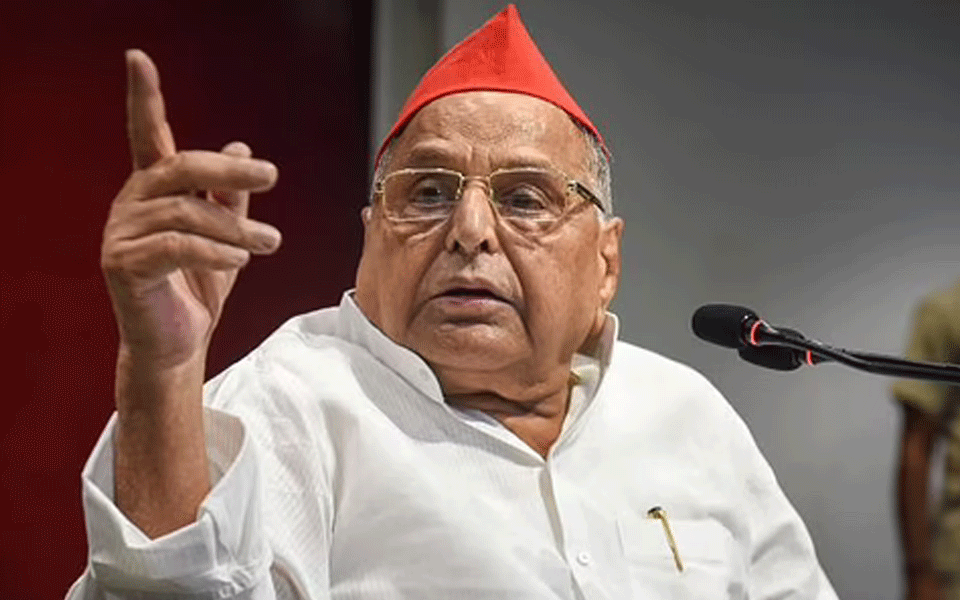
Lucknow(PTI): BJP national spokesperson Prem Shukla on Friday claimed Mulayam Singh Yadav is not with the Samajwadi Party from his heart and his blessings are with his daughter-in-law's party.
Notably, Yadav's daughter-in-law Aparna Yadav had recently joined the BJP.
Talking to reporters at BJP headquarters, Shukla said when Samajwadi Party (SP) chief Akhilesh Yadav had decided to contest from Karhal seat in Mainpuri district, he had said that he would not go there to campaign. But today their (SP) position is such that Akhilesh had to take Mulayam Singh Yadav there with him to campaign, he said.
The BJP leader also alleged that Mualyam Singh Yadav, who was not treated well by Akhilesh, is not with him from his heart and his blessings are with his daughter-in-law's (Aparna Yadav) party .
Aparna Bisht Yadav, wife of Mulayam Singh Yadav's younger son Prateek Yadav, left the Samajwadi Party and joined the BJP recently. In the last election, she was the Samajwadi Party candidate from Lucknow Cantt assembly constituency, but was defeated by BJP's Rita Bahuguna Joshi.
Let the Truth be known. If you read VB and like VB, please be a VB Supporter and Help us deliver the Truth to one and all.
Congress using hijab issue to pacify minority anger, alleges Karnataka LoP R Ashoka
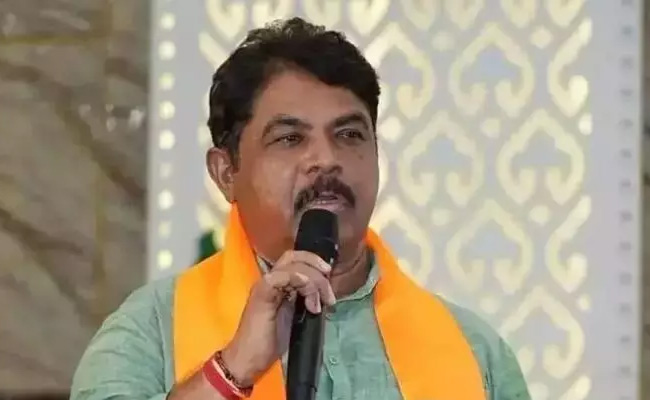
Bengaluru: Leader of Opposition in the Assembly R. Ashoka has accused the Congress government of using the hijab issue to placate what he described as discontent among minority voters after the Davanagere by-election.
In a post on X on Wednesday, Ashoka alleged that the state government, instead of addressing issues such as price rise, corruption, farmers’ distress and law and order, was attempting to retain its minority vote base by reviving the hijab issue.
Referring to the 2022 dress code introduced by the BJP government, which prohibited hijab in schools and colleges, Ashoka said the Karnataka High Court had upheld the policy and emphasised the importance of discipline in educational institutions.
He questioned the Congress government’s move to revisit the issue and asked whether setting aside the court-backed policy to benefit one community could be described as secularism.
Ashoka further alleged that while the government was willing to permit hijab, it continued to prohibit saffron shawls.
He accused the government of dividing students on religious lines rather than treating schools and colleges as spaces of equality.
Drawing a comparison with Mamata Banerjee’s government in West Bengal, Ashoka claimed that excessive appeasement politics had harmed the state and warned that the Congress in Karnataka could face a similar political response.
He said voters in Karnataka would teach the Congress a lesson for what he termed “vote-bank politics” and for compromising constitutional and judicial principles.