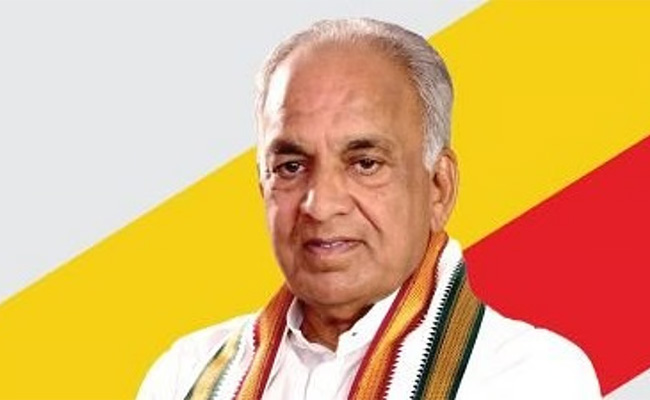
Mumbai hostage episode disturbing, govt to blame for it, says Congress MP Gaikwad
_vb_45.jpeg)
Mumbai (PTI): Mumbai Congress president Varsha Gaikwad on Thursday said the hostage crisis in Powai, which ended after police freed 19 persons, including 17 children, from the clutches of a man, was deeply disturbing and indicated deterioration in the city's law and order situation.
Without providing details of the hostage-taker, Rohit Arya (50), who was fatally shot during the police operation to rescue the victims, Gaikwad claimed he had worked on major projects with the Maharashtra Education Department.
The Lok Sabha MP from Mumbai North Central hit out at the BJP-led Mahayuti government over the hostage episode, that unfolded inside a studio in the afternoon, alleging its negligence put the lives of many children at risk.
Gaikwad, in a statement, said the way Arya created an atmosphere of terror by holding children hostage in Powai was deeply disturbing.
"Rohit Arya had worked on major projects with the Maharashtra Education Department, and he claimed he was owed Rs 2 crore, for which he had held protests earlier. Due to this negligence on the part of the government, the lives of many children were put in danger today," she claimed.
"What answer will this government give to those children and their parents? Law and order in Mumbai is deteriorating day by day," she alleged.
Let the Truth be known. If you read VB and like VB, please be a VB Supporter and Help us deliver the Truth to one and all.
Annpurna Devi expresses anguish over girl's rape in TN, urges NCW to act
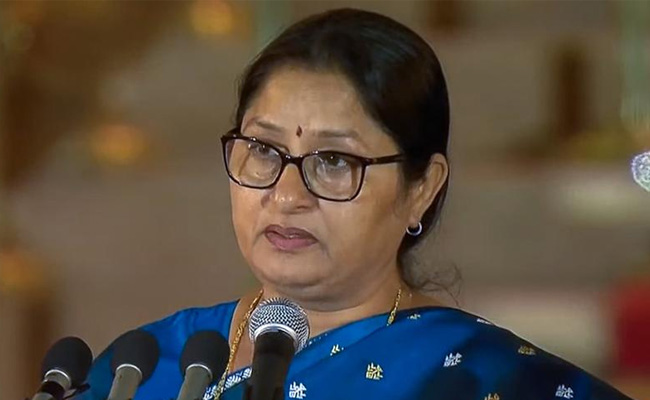
New Delhi (PTI): Union Minister for Women and Child Development Annpurna Devi on Tuesday expressed her anguish over the alleged gang rape of a girl in Tamil Nadu and urged the National Commission for Women to take immediate cognisance of the matter.
In a post on X, Devi said, "Deeply anguished by this horrific incident. I urge the NCW to take immediate cognisance and act swiftly in coordination with the concerned authorities to ensure the strictest action against all culprits."
Devi said, "Justice must be swift and unsparing — the accused must be brought to book without delay," adding, "the safety, dignity, and justice of every daughter of India remain our highest priority."
"We stand firmly with the survivor and her family in this difficult hour," she said.
Reacting to a post by former Tamil Nadu BJP president K Annamalai, who flagged concerns over the law and order situation in the state, Devi said such incidents "expose grave concerns" under the Dravida Munnetra Kazhagam government.
Annamalai, in his post, alleged that a 15-year-old girl from Kanchipuram, who had come to participate in a temple festival near Seyyaru in Tiruvannamalai district, was gangraped.
He said the incident was "deeply shocking and enraging" to him and alleged that such crimes point to a "complete failure" of law and order in Tamil Nadu.
Annamalai demanded immediate arrest of all those involved and the "harshest punishments" for the accused.
He also called for full protection and mental health counselling for the survivor and her family.