Muslims not untouchable, dissociate myself from Hindutva related issues: Apna Dal (S) chief Anupriya
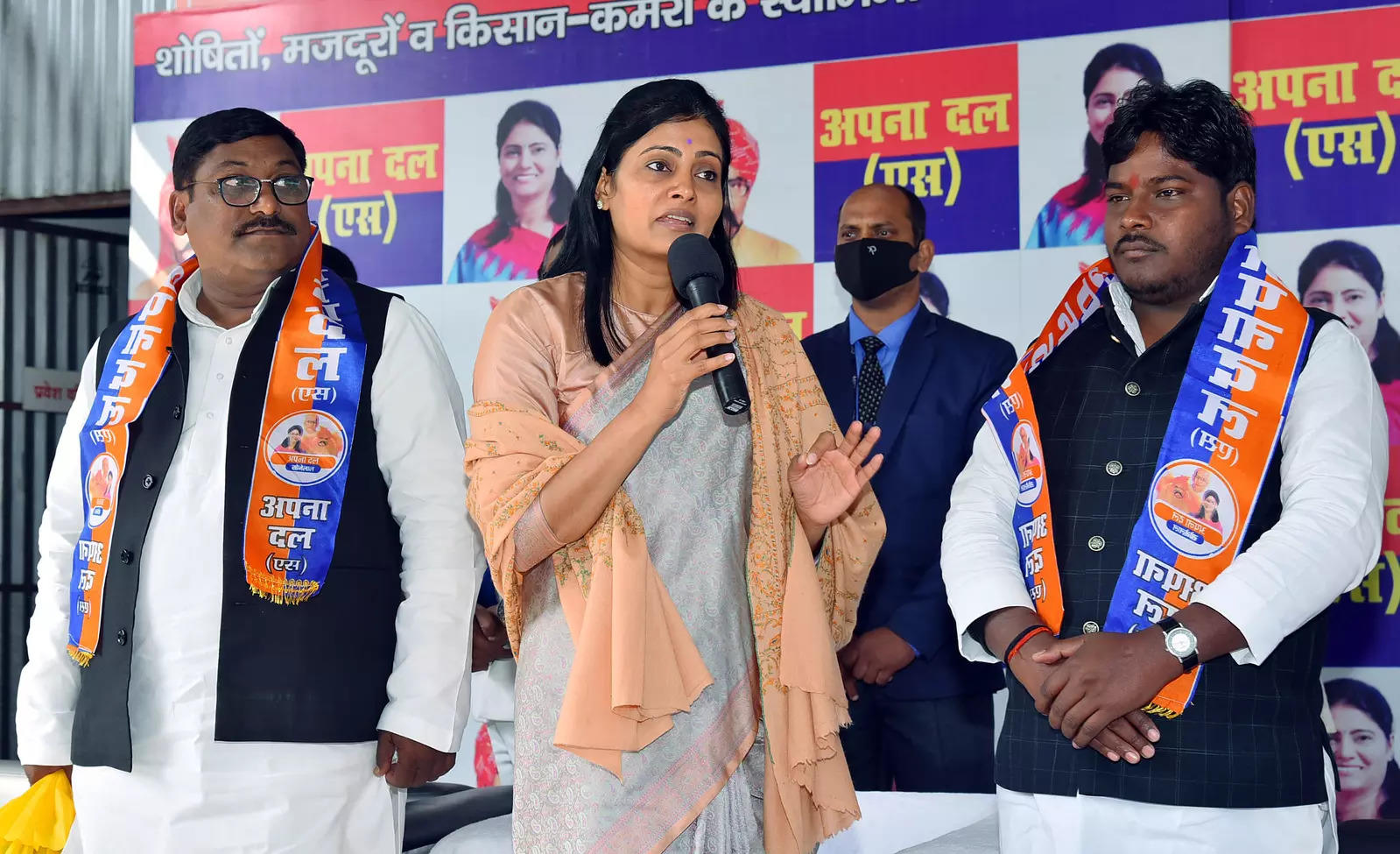
New Delhi, Feb 7: Stressing that the Apna Dal (S) stands for social justice, Union minister Anupriya Patel on Monday dissociated her party from Hindutva and all those issues and said it is ideologically different from the BJP.
Muslim candidates are not untouchable for her party, the Apna Dal (S) chief told PTI three days ahead of the first round of the seven-phase Uttar Pradesh elections beginning on February 10.
"Yes we are ideologically different from the BJP. People are trying to ask me questions on Hindutva and all those issues, I dissociate myself from all those issues and my party doesn't do religious politics. We stand for social justice. That's our ideology, Patel told PTI.
We have always worked for the marginalised sections of society, whether on the streets or in parliament. And this is our philosophy and our founding principles and we only stick to it," she added.
The Apna Dal, which has been BJP's ally in the last three elections in Uttar Pradesh the 2014 and 2019 general elections and the 2017 assembly polls -- has announced its first Muslim candidate this time.
Haider Ali, the grandson of Congress veteran Begum Noor Bano, was the first candidate announced by the Apna Dal (S). He is contesting against senior Samajwadi Party leader Azam Khan's son Abdullah Azam Khan from Suar.
"I don't know why everybody is looking at a candidate from the perspective of religion. He is a promising youth who is well educated," Patel said.
Her party doesn't look at candidates from the prism of religion, she added in response to a question on there not being a single Muslim candidate from the National Democratic Alliance (NDA) last time. Ali is the first Muslim candidate for the Apna Dal and also for the NDA.
"The first MLA from my party when the founder of my party Sonelal Patel was alive was a Muslim who won the Pratapgarh Sadar constituency and his name was Haji Munnah. Many Muslims have been state presidents of the Apna Dal. So for my party Muslims are not untouchables and I don't look at candidates in light of their religion," Patel.
Patel, who is a minister in the Commerce and Industry ministry, said the Apna Dal (S) had always been at the forefront on raising issues related to the ideology of social justice. It had raised also raised the matter of other backward classes (OBC) reservations in NEET examinations with the BJP's top leadership.
She said the mood in Uttar Pradesh is in favour of the NDA and the BJP-led alliance will again form government in the state.
"The mood is very clear. We will be retaining the government in Uttar Pradesh. People have seen good governance and inclusive growth in Uttar Pradesh. I think we have been able to fulfill expectations of people in the state to a great extent.
People have witnessed good law and order and inclusive growth in the state and will support us," Patel said.
On the question of several OBC leaders leaving BJP ahead of the assembly polls, Patel said this is a common trend before elections.
Leaders irrespective of caste leave before elections and this crossover of politicians to other parties before elections is a common trend and a common feature, she said.
The Apna Dal has so far announced 13 candidates and is expected to announce candidates for five more seats in the 403-member Uttar Pradesh assembly. In the last assembly polls, the party contested on 11 seats and won nine. The Apna Dal (S) has two MPs in the Lok Sabha.
Let the Truth be known. If you read VB and like VB, please be a VB Supporter and Help us deliver the Truth to one and all.
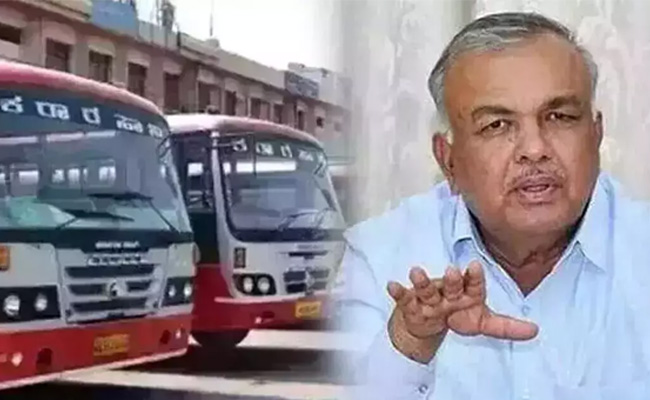
Congress using hijab issue to pacify minority anger, alleges Karnataka LoP R Ashoka
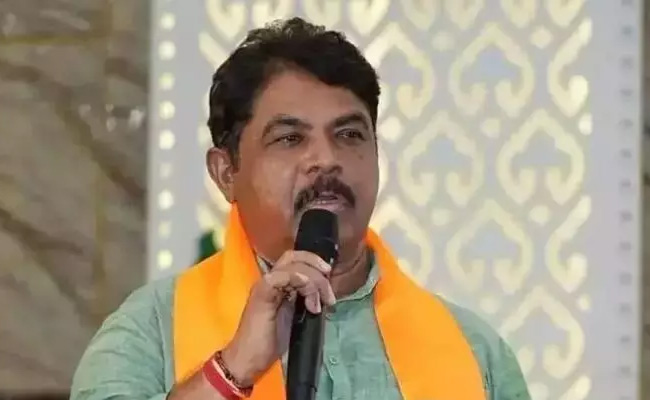
Bengaluru: Leader of Opposition in the Assembly R. Ashoka has accused the Congress government of using the hijab issue to placate what he described as discontent among minority voters after the Davanagere by-election.
In a post on X on Wednesday, Ashoka alleged that the state government, instead of addressing issues such as price rise, corruption, farmers’ distress and law and order, was attempting to retain its minority vote base by reviving the hijab issue.
Referring to the 2022 dress code introduced by the BJP government, which prohibited hijab in schools and colleges, Ashoka said the Karnataka High Court had upheld the policy and emphasised the importance of discipline in educational institutions.
He questioned the Congress government’s move to revisit the issue and asked whether setting aside the court-backed policy to benefit one community could be described as secularism.
Ashoka further alleged that while the government was willing to permit hijab, it continued to prohibit saffron shawls.
He accused the government of dividing students on religious lines rather than treating schools and colleges as spaces of equality.
Drawing a comparison with Mamata Banerjee’s government in West Bengal, Ashoka claimed that excessive appeasement politics had harmed the state and warned that the Congress in Karnataka could face a similar political response.
He said voters in Karnataka would teach the Congress a lesson for what he termed “vote-bank politics” and for compromising constitutional and judicial principles.